REVIEW · HERAKLION
Archaeological and Natural Beauties of South Central Crete
Book on GetYourGuide →Operated by Mykonos Excursions · Bookable on GetYourGuide
Crete’s three eras, all in one day. This trip connects Gortyn and the Minoan palace of Phaistos with time in Matala and a calmer stop in Zaros. I like how the day feels balanced: archaeology in the morning, sea time at Matala, then monasteries and nature around Zaros.
One possible drawback: it’s a packed 8.5-hour route, so you’ll want comfortable shoes and realistic expectations about how much you can linger at each site.
In This Review
- Key points I’d circle before you go
- The route that links Roman Crete, Minoan Crete, and the sea
- Gortyn (Gortyna) and the Gortyn Law Code: where stone turns into human rules
- Phaistos palace: the Minoan power center in the Mesara valley
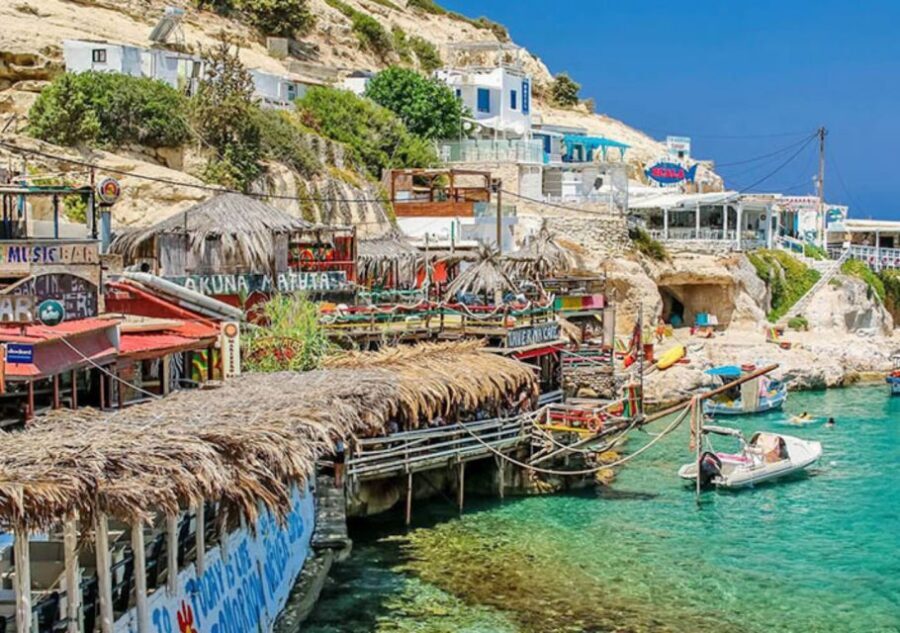
- Matala: ancient port vibes, then swimming in clear water
- Zaros: the refreshingly quiet finish with spring water and monasteries
- Lake Votomos and trout: the food-and-nature combo that makes the day feel complete
- Guides and pacing: what makes this trip feel worth the money
- Price and value: does $129 make sense for this day?
- Who this tour suits best, and who might feel cramped
- Should you book the Archaeological and Natural Beauties of South Central Crete tour?
- FAQ
- What time does the tour start and where do I meet?
- How long is the tour?
- What is included in the price?
- Is lunch included?
- Is there time to swim?
- Does the tour include pick-up or drop-off transfers?
- What languages are available for the guide?
- Is this tour suitable for people with mobility impairments?
Key points I’d circle before you go
- Gortyn Law Code is a standout moment, not just another ruin stop
- Phaistos gives you a clear picture of why the Minoans mattered in southern Crete
- Matala includes real free time to swim, plus optional lunch with sea views
- Zaros feels calmer and more local, with spring water and Byzantine monasteries
- Lake Votomos and farm-raised trout add a nature-and-food finish to the day
- Guides like Sophia, Angeliki, Irini, and Rita tend to set a high bar for pace and explanations
The route that links Roman Crete, Minoan Crete, and the sea
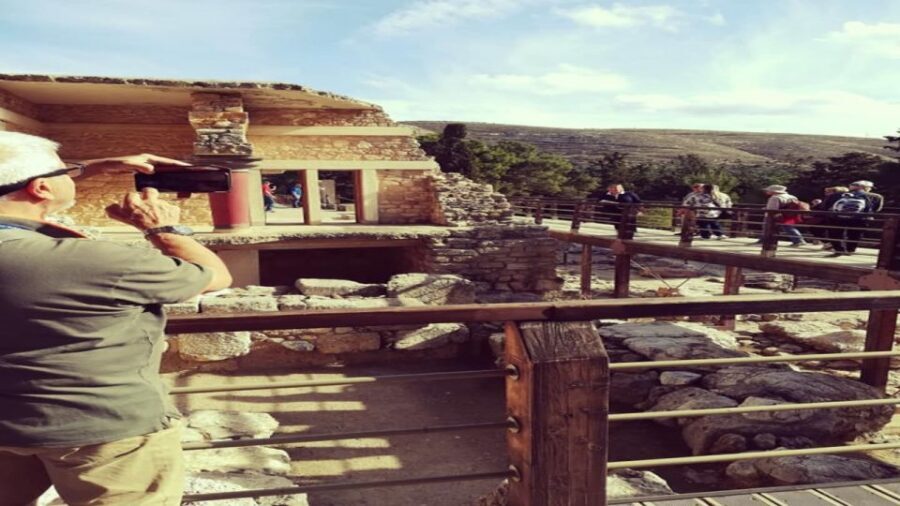
You start in Heraklion, meeting across from the entrance of the Heraklion Archaeological Museum, in front of Hari’s Creperie. The guide meets you around 08:30, and the day runs until about 17:00, with a return back to the Heraklion terminal area.
The best part is that you’re not bouncing randomly. The route is built around the geography: from Gortyn you head through the Mesara valley, then you drop down toward the coast for Matala, and finally you climb back toward the mountains for Zaros. Even when you’re sitting on the coach, you’re seeing the real shapes of the island—what made some places strategic, and why water and trade mattered.
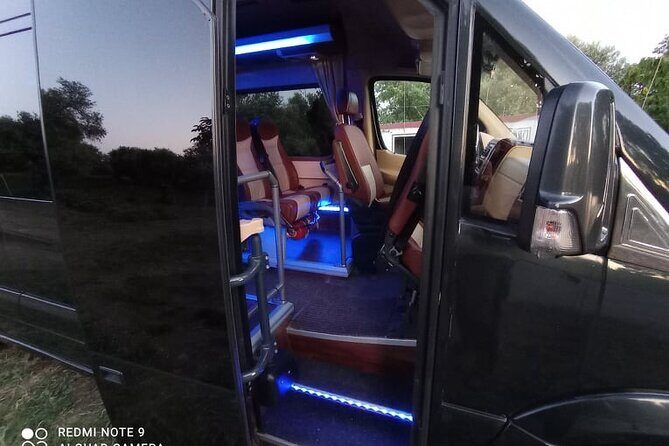
Because it’s an air-conditioned motorcoach, you’re also protected from the most annoying parts of Crete’s summer heat. Still, the day includes multiple walking stops, so plan on moving at least some of the time.
If you're still narrowing it down, here are other tours in Heraklion we've reviewed.


Gortyn (Gortyna) and the Gortyn Law Code: where stone turns into human rules
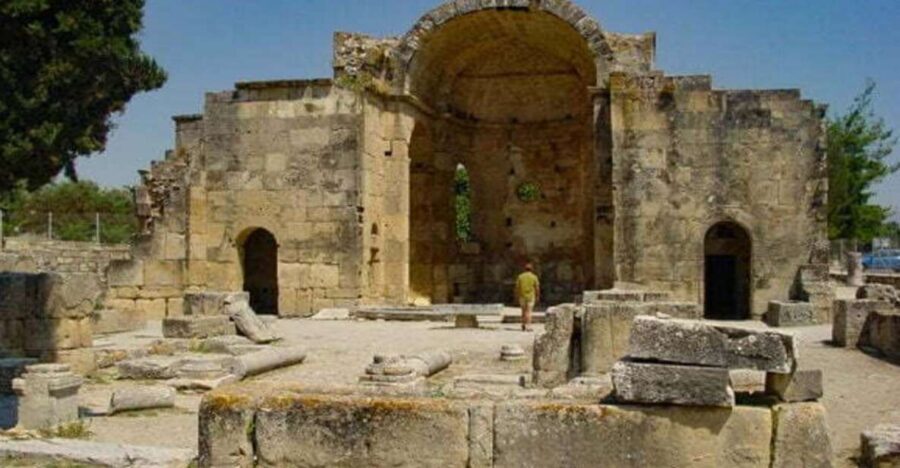
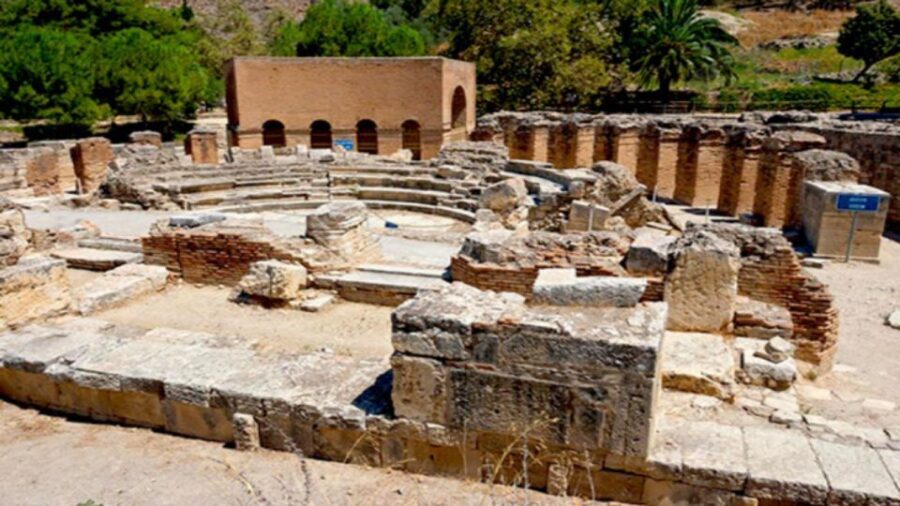
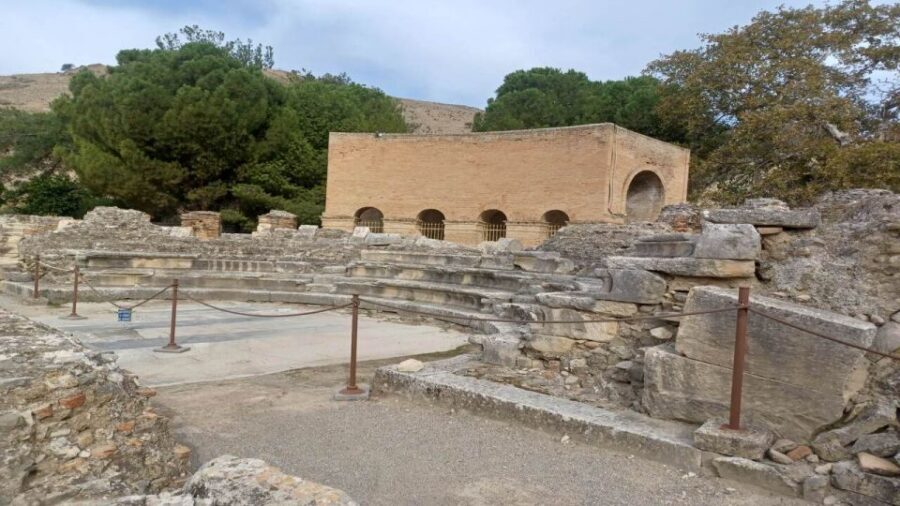
Gortyn is your first serious history stop. You drive there from Heraklion and spend time visiting the site, with context that it was a Roman capital of Crete and Cyrenaica. The area’s occupation goes back very far—first inhabited around 3200 BC—so you’re stepping into a place with layers, not a single moment frozen in time.
The highlight here is the Gortyn Law Code. I love that it’s not abstract. It helps you picture how law and daily life worked, long before modern paperwork and courtrooms. When you see inscribed rules carved into stone, it changes the way ruins feel. They stop being only about architecture and start reading like a society documenting itself.
Practical tip: this is one of those stops where a good guide makes a real difference. In the best versions of this tour, the guide takes time to explain what you’re looking at so it doesn’t feel like you’re just standing in front of blocks. Reviews specifically praised guides such as Irini and Rita for not rushing the stop and for giving explanations that made the site click.
Time-wise, you’ll have enough to see the main elements without feeling trapped in a long archaeological slog. Still, if you’re the type who could spend hours reading every inscription, you may wish the morning stretched a little longer.
Phaistos palace: the Minoan power center in the Mesara valley
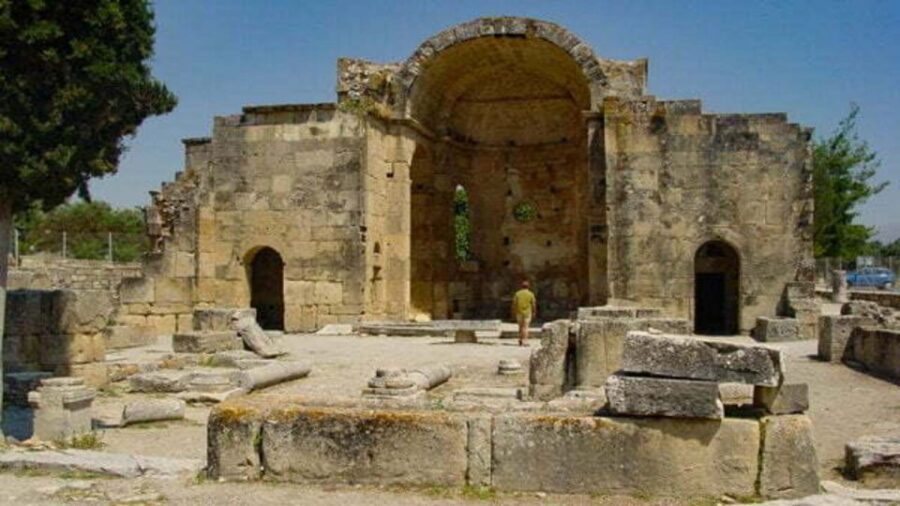
After Gortyn, you head toward Phaistos, traveling through the Mesara valley. This drive matters. Mesara is part of what made Phaistos important: fertile land meant food and stability, which in turn supported the kinds of political and economic centers the Minoans built.
At Phaistos, you visit the archaeological site and the palace area, described as one of the most important centers of Minoan civilization, and the wealthiest and most powerful city in southern Crete. That’s a big claim, but it’s the right kind of claim for a guided day trip. A guide helps you connect the size and layout of the palace area to why it would attract influence.
Here’s what I’d look for while you’re there:
- How the palace area is laid out, so you can imagine movement and authority in the space
- The scale of what remains, which helps you understand why it became a center you don’t ignore
- Any explanations about daily life and power—those stories turn stone into something you can follow
One thing that makes this stop work well in a one-day tour is pacing. You’re not expected to become a Minoan scholar by lunch. You’re getting the essentials, with the kind of context that helps you recognize what’s important when you walk around.
Matala: ancient port vibes, then swimming in clear water
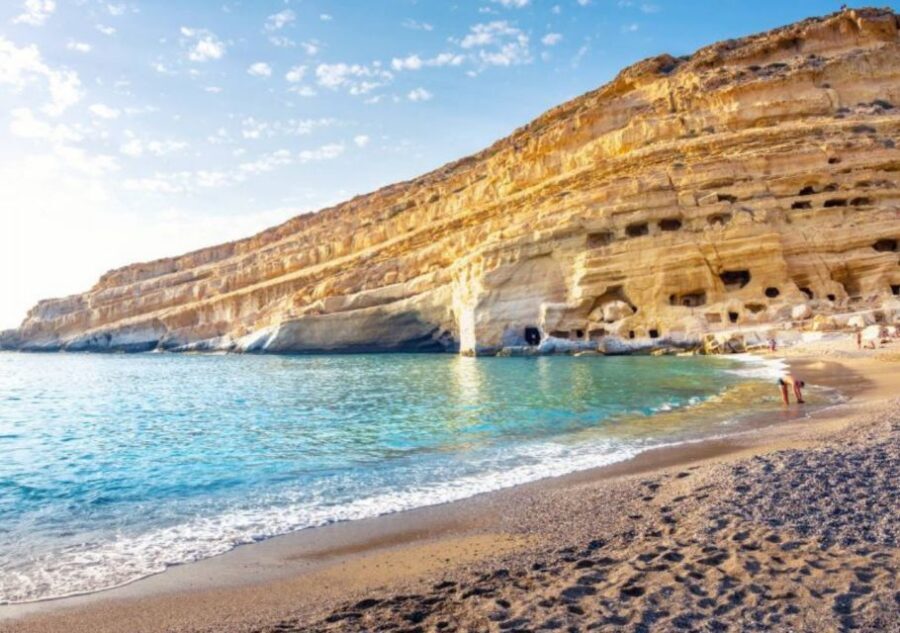
Matala is where the day breaks open. You stop here after Phaistos, and you get free time plus optional lunch. Matala is tied to the ancient world too: it served as the ancient port of Phaistos and Gortys. That matters because it explains why this place had a role in trade and movement, not just why it became a later cultural magnet.
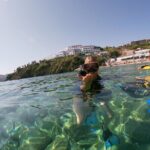
Then you get the fun part: you can swim in the crystal-clear waters. This is one of the main reasons people like this tour. If you came to Crete for beaches but also want history, Matala gives you both without requiring a separate full-day beach plan.
Practical advice:
- Bring swim gear and something you can change into
- Pack a small towel or plan to buy what you need locally
- Use sunscreen before you get absorbed by the view
If you want lunch, the tour offers it as optional. One review highlighted a restaurant at Matala with a sea view and delicious food, so it sounds like a good place to take a slower pause with your meal.
Zaros: the refreshingly quiet finish with spring water and monasteries
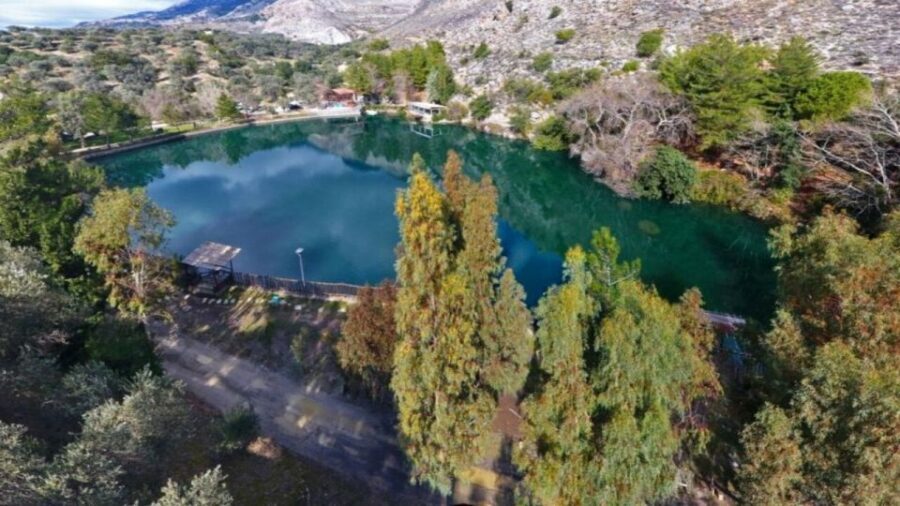
After Matala, you drive to Zaros, a village described as attractive and refreshingly unspoiled. This is a different mood from both Phaistos and Matala. Instead of major monuments and crowds, you’re stepping into a village feel.
Zaros is famous for its spring water, which is now bottled and sold all over Greece. That detail is fun because it makes a simple destination more than scenery. You can taste the idea that some places on Crete become known for water in daily life, not just in tourist brochures.
Zaros also has Byzantine monasteries. If you like your history religious and human-scaled rather than only stone-city scale, this is a good payoff. The monasteries help you see another layer of Crete’s story after the Minoan and Roman chapters.
Walking note: the village is also described as a good base for walkers exploring nature. You won’t need to tackle long hikes on this tour, but you may want comfortable shoes so you can enjoy the viewpoints and monastery areas without feeling rushed.
Lake Votomos and trout: the food-and-nature combo that makes the day feel complete
The tour includes a visit around Lake Votomos, described as having an emerald-green look. What I like about ending with this kind of stop is that it gives your brain a break from history inscriptions and palace layouts.
Food is part of the Zaros experience too. The tour information notes farm-raised trout served in tavernas around town and on/near the lake. Even if you don’t order trout, this matters because it ties the location to something local and specific.
If you’re a foodie, it’s a nice moment to slow down and ask, What does a village like this eat, not just what does it look like? You’re getting that answer.
Guides and pacing: what makes this trip feel worth the money
A big reason this tour scores well is the guide effect. The tour information says you’ll have a live guide with languages that include English, French, Italian, and Spanish. Reviews also named guides who impressed people with both knowledge and tone.
For example:
- Sophia was described as intelligent, funny, attentive to detail, and great at accommodating needs
- Angeliki was praised for being informative, friendly, and for getting the timing right so you didn’t feel rushed
- Irini was highlighted for not rushing at each site and for filling the coach time with explanations about Crete’s geography and history
- Rita was called extremely passionate and focused on making the sites understandable
That “timing right” piece is important. This itinerary is structured so you see a lot, but you aren’t just herded through. When guides explain what you’re seeing during drives and then slow down at key points, the day stops feeling like transportation between checkboxes.
If you’re choosing this tour because you want context with your photos, pick the version that best matches your guide language. The tour moves fast enough that you’ll want the explanations you actually understand.
Price and value: does $129 make sense for this day?
At $129 per person, the price is really about what’s included versus what’s not.
Included:
- Air-conditioned motorcoach
- A professional guide
- VAT and legal taxes
Not included:
- Pick-up/drop-off transfers (you handle getting to the meeting point)
- Lunch during the day (listed as €20 at a restaurant)
- Drinks during the meal
- Anything not specified
So the value question is simple: are you getting a guided day with multiple major sites, plus Matala swimming and a nature-and-monastery stop? Yes. You’re paying for transportation, interpretation, and a planned sequence that covers Roman-era and Minoan-era highlights, then adds a coastal break and a calmer mountain village.
If you were to DIY this route, you’d spend time piecing together transport and still need to pay for entry tickets and possibly a guide for context. This tour gives you a single “do it all today” structure at a fixed price.
For best value, plan to treat lunch as budgeted but optional. If you skip lunch or keep it light, the rest of the day stays good value because the core experiences are included.
Who this tour suits best, and who might feel cramped
This trip is a great fit if you:
- Want major Crete archaeology without staying overnight in multiple places
- Like having your questions answered as you walk around sites
- Want beach time with your history (Matala swimming is a real perk)
- Enjoy a softer finish in a village setting like Zaros, including monasteries and Lake Votomos
It may feel less ideal if you:
- Need lots of mobility support. The tour is noted as not suitable for people with mobility impairments
- Prefer ultra-slow travel where you linger for hours at just one site
- Are traveling without a group adult, since unaccompanied minors are not allowed
Should you book the Archaeological and Natural Beauties of South Central Crete tour?
I’d book it if you want one efficient day that hits the big points of South Central Crete: the Gortyn Law Code, the Minoan palace of Phaistos, time in Matala with swimming, and an end in Zaros with monasteries plus the Lake Votomos area and trout culture.
Skip it only if you’re hoping for a fully unhurried visit to every site like you’d get with multiple days and a car. This is a smart “see a lot with guidance” option, not a slow museum tour.
If you like your Crete mix with real story context, plus time to cool off in the water, this one has a good rhythm.
FAQ
What time does the tour start and where do I meet?
You meet across from the entrance of the Heraklion Archaeological Museum, in front of Hari’s Creperie, in Heraklion. The guide meets you at 08.30.
How long is the tour?
The duration is listed as 8.5 hours.
What is included in the price?
The price includes an air-conditioned motorcoach, a professional guide, and VAT and all legal taxes.
Is lunch included?
Lunch in a restaurant is not included. The lunch option is listed as €20, and drinks are not included during the meal.
Is there time to swim?
Yes. Matala includes free time and the chance to swim in the crystal-clear waters.
Does the tour include pick-up or drop-off transfers?
No. Pick-up/drop-off transfer is not included. You meet at the stated meeting point and return to Heraklion at the terminal.
What languages are available for the guide?
The live guide languages are Spanish, English, French, and Italian.
Is this tour suitable for people with mobility impairments?
No. It is marked as not suitable for people with mobility impairments.