REVIEW · HERAKLION
Private tour: Archeological Museum of Heraklion
Book on GetYourGuide →Operated by CretanTours · Bookable on GetYourGuide
Minoan Crete starts with a single room. A private visit to the Archaeological Museum of Heraklion lets you focus on the artifacts that shaped Bronze Age life, without fighting the usual crowd rhythm, and with a guide who can answer your questions in real time. You’ll also appreciate the practical touch of skipping the ticket line, which saves time for the parts you actually came for.
My favorite part is the way a licensed Tourist Guide–Archeologist brings the collection to life, especially when you care about how objects were made and what they might mean. I also like that the format includes free time inside the museum, so you can pause, look again, and take photos without feeling rushed.
The one drawback to consider: the price includes the guide, but the museum entrance ticket is not included (12 euros), so your total spend will be a bit higher once you add that.
In This Review
- Key things to know before you go
- Why the Archaeological Museum of Heraklion is the place to start
- Meeting your guide and the pace you’ll actually feel
- Inside the museum: how the guide helps you read Minoan art
- Photo stops and short breaks that don’t disrupt the flow
- The private advantage: fewer crowds, better questions, and faster learning
- Crete context at the end: Saint Francis monastery story and museum gardens
- Price and value: is $107 per person a smart deal?
- Who this private tour is best for (and who should skip it)
- Practical details that help you plan smoothly
- Should you book this private Archaeological Museum of Heraklion tour?
- FAQ
- How long is the Archaeological Museum of Heraklion private tour?
- Is this a private tour?
- What language is the live guide?
- Is the museum entrance ticket included?
- Where do we meet the guide?
- Can we skip the ticket line?
- What’s included in the price?
- Is the tour wheelchair accessible?
- What should I bring?
- Are there admission discounts or free entry options?
- Is there flexibility if my plans change?
Key things to know before you go
- Licensed guide-archeologist means you’re not just getting facts, you’re getting context
- Skip the ticket line at the museum entrance area, so you lose less time waiting
- Private group gives you breathing room for questions and slower looking
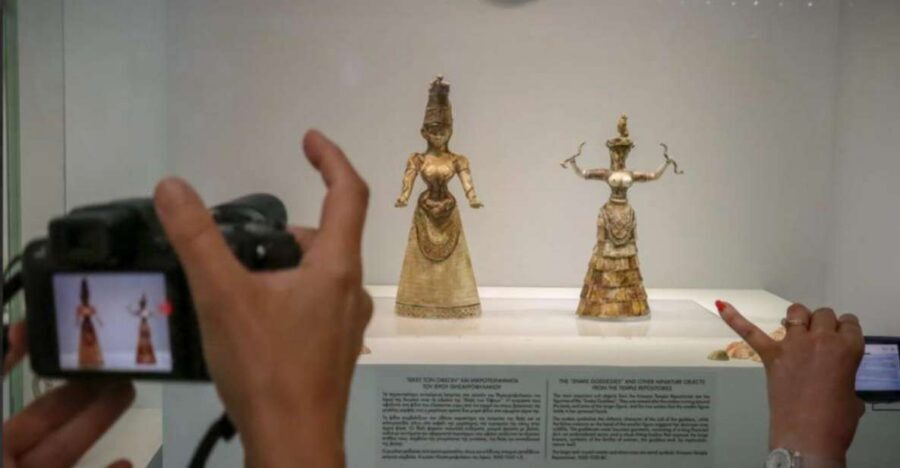
- Minoan craftsmanship on display, from pottery to statues, plus frescoes and symbols
- A Crete wrap-up at the end includes the story of the Monastery of Saint Francis and what you can see from the museum gardens
- Wheelchair accessible makes the experience easier to plan for mobility needs
Why the Archaeological Museum of Heraklion is the place to start
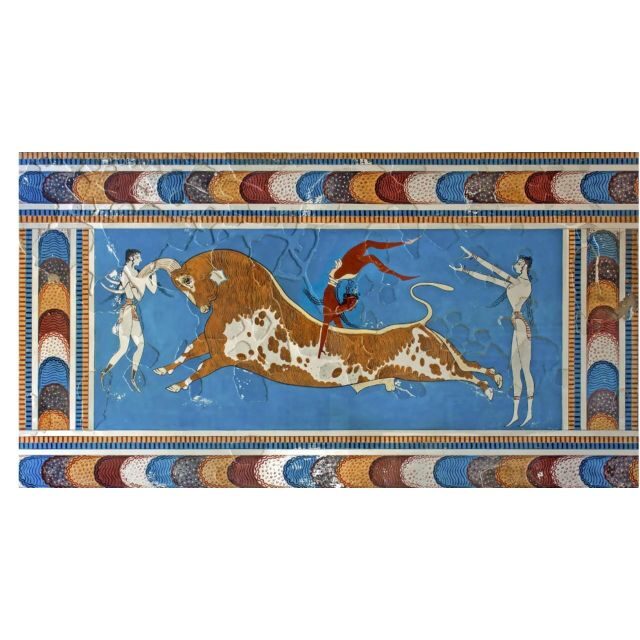
If you’re trying to understand Minoan Crete, you don’t want to rely on guesswork. The Archaeological Museum of Heraklion is one of the best places to build a mental map of the civilization quickly, because it’s packed with the kind of artifacts that tell you how people lived, worked, worshipped, and expressed identity.
What makes this tour feel worth it is that it’s structured around seeing the highlights, not wandering aimlessly. You’ll get guided time with an expert who can translate what you’re looking at into human terms. That matters, because Minoan objects can look decorative at first glance, and then suddenly become much more interesting once you understand the materials, the style, and the recurring visual themes.
Also, the setting helps. Heraklion is the kind of base where you can build a museum morning and still enjoy the day afterward. This tour fits that plan well: it’s short enough to keep your energy, but designed so you don’t miss the museum’s most important stories.
Other private tours in Heraklion



Meeting your guide and the pace you’ll actually feel
You meet your guide at the museum entrance near the ticket area. They’ll be holding a blue envelope, so look for that first, then focus on getting inside.
This is a private setup, so the pacing is noticeably more “you” than “the group.” In a small group setting, the guide can respond to what you’re curious about. One example from a private group: when the guide is Mariella, an archaeologist, the explanations tend to be both detailed and patient with questions, and the tour can run a bit longer than the printed slot if you’re actively asking.
The format also includes time for photos and free time. That’s a real plus in a museum like this. Some exhibits reward slow viewing. Others you’ll want to photograph quickly and come back to later. Having that built-in breathing room means you don’t spend the whole visit trying to keep up.
Inside the museum: how the guide helps you read Minoan art
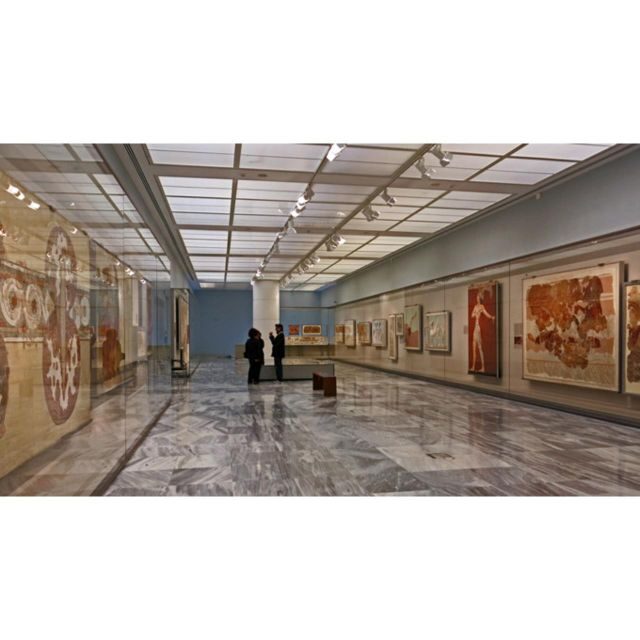
The museum tour portion is the heart of the experience. Expect a guided walk through key galleries and sections where the collection’s standout pieces are easier to understand with commentary.
Here’s what you can look forward to seeing, guided rather than random:
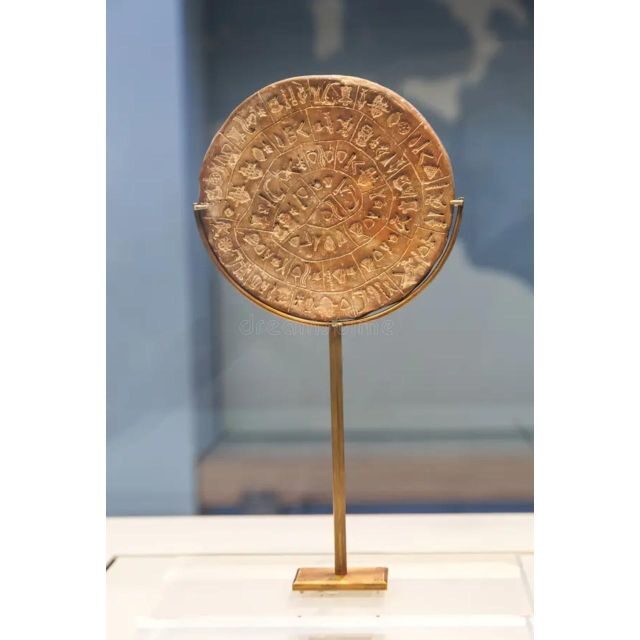
- pottery that shows recognizable Minoan design habits
- statues that communicate style, pose, and craftsmanship
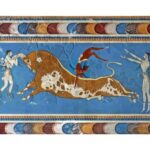
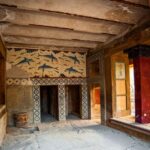
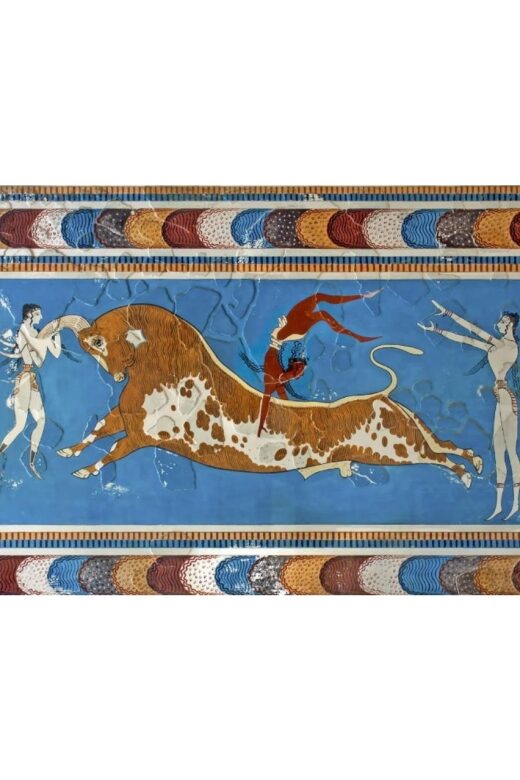
- frescoes and wall-painting style scenes
- mysterious symbols and recurring motifs that connect across objects
The big value isn’t that these things exist. It’s that the guide helps you notice patterns. Once you start connecting the dots between an object’s shape, decoration style, and cultural context, the museum stops being a room of artifacts and starts feeling like a readable story.
If you’re the kind of visitor who likes to ask questions, this tour is set up for that. You’re not stuck with a generic script. You can ask how something was made, what a symbol might indicate, or why certain designs repeat. And because the guide is an archeologist, you’re more likely to get grounded answers rather than vague tourism talk.
Photo stops and short breaks that don’t disrupt the flow
The tour includes photo stops and sightseeing time connected to the museum area and then back again. That matters because a museum visit can become tiring if it’s 100% standing and 0% resetting. A short shift in setting lets you refresh, then return with better focus.
You also get the benefit of being with a professional who knows when to slow down and when to keep momentum.
The private advantage: fewer crowds, better questions, and faster learning
This is where private tours pay off in a practical way. In a busy museum, you can lose time to lines, bottlenecks, and the constant pressure of moving with strangers. Here, you’re not forced into that rhythm.
So instead of scanning labels and hoping you understand, you can:
- spend more time with the objects that catch your attention
- ask follow-up questions when something clicks (or when it doesn’t)
- re-check details during free time because you’re not worried about holding up anyone else
In other words, you’ll learn faster. Not by reading faster, but by understanding what to look for. That’s a big difference, especially when the subject is ancient and the clues aren’t obvious at first glance.
If you’re traveling with teens, this format can also work well. The tour is designed to be engaging without being childish, and the private pace helps keep attention from drifting.
Other museum experiences in Heraklion
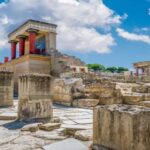
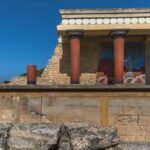



Crete context at the end: Saint Francis monastery story and museum gardens
One of the tour’s most interesting add-ons is what happens at the end: you learn more general history of Crete and the story of the Monastery of Saint Francis. Ruins from that monastery are still visible from the museum gardens.
That part gives you a nice bridge between eras. You start with Minoan civilization and then, without needing a whole separate outing, you get a taste of how the landscape and history of Crete kept layering over time. It also adds a calm, visual break after time indoors—gardens are easier on your eyes than a long string of dark display rooms.
You don’t have to be a specialist to enjoy this. The guide’s job is to connect the dots so the story feels coherent, not like random history facts.
Price and value: is $107 per person a smart deal?
At $107 per person for a 2-hour private tour, the price is best thought of as you paying for three things:
1) a licensed guide who can explain the collection in context
2) private time that saves you from the friction of crowds
3) museum-line time saved thanks to skipping the ticket line
The entrance ticket is extra: 12 euros per person, paid separately at the museum. That means your real total depends on your admission rate and which ticket category you qualify for.
Also worth noting: your ticket cost could be reduced or even free depending on age and residency status. The tour information spells out reduced admission (6 euros) for certain groups, including Greek citizens and EU citizens over 65, and free entrance for some visitors under 25 in the EU and for children 5 and under from non-European member states. Bring your passport or ID to support whichever category applies.
So is it good value? Yes—especially if:
- you care about Minoan culture and want real explanations
- you’re visiting with kids/teens who need engagement that doesn’t feel like homework
- you prefer a focused plan rather than guessing what to see in a large museum
If you’re comfortable self-guided touring and you mainly want quick photos, you might skip the guide and just pay the ticket. But if you want understanding, this price is reasonable for what you’re actually buying: time with an expert plus a smoother museum experience.
Who this private tour is best for (and who should skip it)
This tour fits you if you:
- want a clear introduction to Minoan civilization and its lasting legacy
- enjoy museums when the guide explains how to interpret what you’re seeing
- like the idea of a small, private group where questions are welcome
- want a short, efficient plan that still feels meaningful
It’s also a good match for travelers who don’t want their day derailed by lines and crowd management. The skip-the-line setup is the kind of small advantage that saves real energy.
You might consider skipping if:
- you want a super-long museum visit (this is about 2 hours)
- you prefer total freedom with no guided structure
- you’re only looking for a handful of photos and don’t care about context
Practical details that help you plan smoothly
Before you go, keep these in mind:
- Bring your passport or ID card.
- The tour runs in English.
- It’s wheelchair accessible.
- The meeting point is at the museum entrance near the ticket area, where the guide holds a blue envelope.
- The tour ends back at the meeting point.
Also, it’s designed as a private group. That usually means you’ll feel less rushed and more “in control” of your attention, even when the museum is busy.
Should you book this private Archaeological Museum of Heraklion tour?
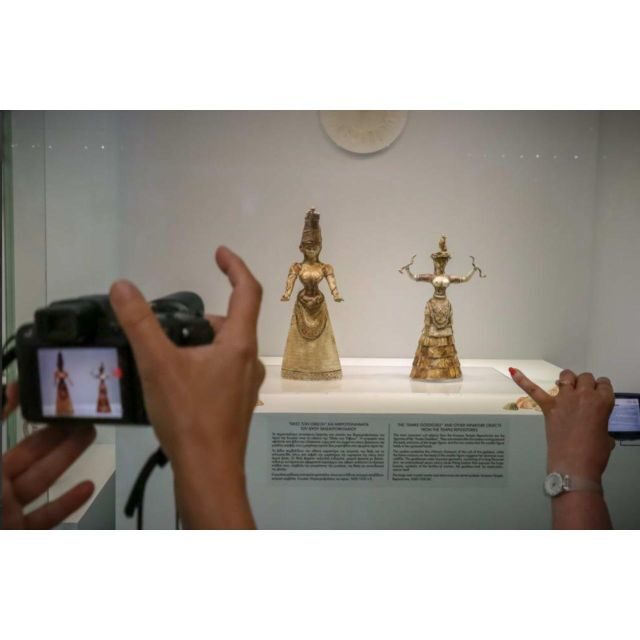
If you want Minoan history explained in a way that makes objects feel connected, book it. The combination of a licensed guide-archeologist, skip-the-line convenience, and private pacing is exactly what turns a museum visit from scrolling labels into actual understanding.
I’d especially recommend it if you’re visiting for the first time and want a smart start without spending hours figuring out what matters. If your goal is learning, this is a strong value. If your goal is only quick sightseeing, you may not need a guide.
FAQ
How long is the Archaeological Museum of Heraklion private tour?
The tour duration is 2 hours.
Is this a private tour?
Yes, it’s listed as a private group tour.
What language is the live guide?
The live tour guide provides the tour in English.
Is the museum entrance ticket included?
No. The entrance ticket is not included. It’s listed at 12 euros.
Where do we meet the guide?
Your guide will wait at the museum entrance near the ticket area holding a blue envelope.
Can we skip the ticket line?
Yes. The tour includes skipping the ticket line.
What’s included in the price?
It includes a licensed Tourist Guide–Archeologist and taxes.
Is the tour wheelchair accessible?
Yes, the activity is wheelchair accessible.
What should I bring?
Bring your passport or ID card.
Are there admission discounts or free entry options?
Yes. Reduced admission is 6 euros for certain age/residency categories (including Greek citizens and EU citizens above 65 with an ID). Free entrance applies for some visitors under 25 from the EU (with ID/passport) and for children aged 5 or under from non-European member states (with ID/passport).
Is there flexibility if my plans change?
The activity offers free cancellation up to 24 hours in advance for a full refund, and it also offers a reserve now & pay later option.