REVIEW · HERAKLION
Crete: Create Your Own Traditional Cretan Soap
Book on GetYourGuide →Operated by Grigorios Giakoumakis · Bookable on GetYourGuide
Soap-making in Crete is surprisingly fun. This workshop at a local rooftop in Heraklion turns a household craft into a hands-on, smiley lesson, using extra virgin olive oil only. I especially love the sense of place you get from the rooftop setting, and the fact you’re learning a method Cretans used long before “wellness” labels existed. The one thing to consider is that you’ll need to focus for the full 2 hours—this isn’t a quick photo stop.
What makes it work is the small group (up to 6) and the calm, patient teaching style of the instructor, Grigorios Giakoumakis. You also leave with real materials and a step-by-step recipe, so the value isn’t just in the experience; it’s in what you can do next at home. One possible drawback: the meeting point is a specific address (Michail Vlachou 27), and you may want to double-check you have the exact spot, since one review noted a sign can be easy to miss.
In This Review
- Key things I think you’ll notice
- Heraklion meeting point: Michail Vlachou 27 and a calm small-group start
- Rooftop viewpoint break: where the Cretan scents start working on you
- From olive oil to soap: hands-on mixing with safety gear and real technique
- Personalize your bars: perfume, color, and shape (yes, you can make it yours)
- What you take home: next-day soap and a recipe you’ll use
- Why the olive oil story matters: local, untreated production and a craft you can trust
- Price and value check: is $49 fair for 2 hours in Heraklion?
- Who this workshop suits best (and who might hesitate)
- Should you book this Cretan soap workshop?
- FAQ
- How long is the soap-making workshop?
- Where is the meeting point?
- Is the workshop taught in English?
- How big is the group?
- Do I need any prior knowledge about soap-making?
- Is it safe if children join?
- What do I get included in the price?
- What can I take home?
- How can I get there by bus?
- What is the cancellation and payment flexibility?
- FAQ
- Question goes here
Key things I think you’ll notice
- Small group format (up to 6): you actually get time to work, ask questions, and personalize your soap
- Rooftop Heraklion setting: you’re making soap in a living, local context, not a studio bubble
- Extra virgin olive oil only: the craft stays true to traditional Cretan soap-making
- Safe, hands-on procedure: protective gear is included, and the process is described as safe even for young children
- Personalization is built in: you can adjust perfume, color, and shape to your taste
- You take it home: your soap is ready the next day, plus you get a recipe to recreate it
Heraklion meeting point: Michail Vlachou 27 and a calm small-group start
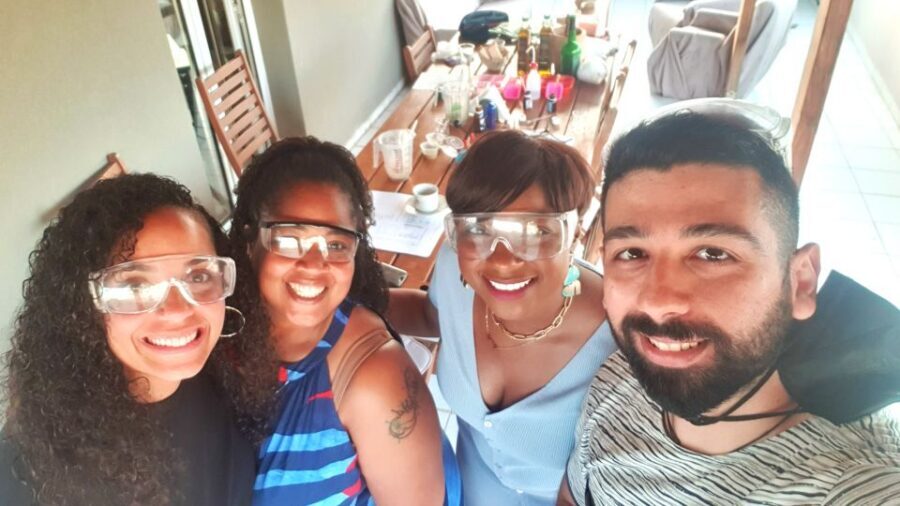
The experience begins at Michail Vlachou 27 in Heraklion, and I like that the plan is simple: show up, meet your instructor (English-speaking), and get moving. This is a small group capped at 6 participants, so you’re not competing for attention or tools. It also means the session feels more like a shared craft day than a class you rush through.
If you’re using public transit, you can take bus number 4, marked “Mastampas,” and get off at bus stop Ieroloxiton 76 Daskalaki. From there, you can walk or drive your own car if that’s easier for your schedule. The workshop location is in the city, so it’s a good fit if you’re already spending time in Heraklion and want one grounded activity that doesn’t depend on a tour bus.
One small practical note: at least one person mentioned the entry sign could be hard to spot. That’s easy to fix—arrive a few minutes early and use your phone to confirm the exact address before you get impatient. The good news is that the same review described quick help from a nearby neighbor if needed.
If you're still narrowing it down, here are other tours in Heraklion we've reviewed.


Rooftop viewpoint break: where the Cretan scents start working on you
Soon after you arrive, there’s a short 10-minute break at a viewpoint. This is the kind of timing I appreciate on a workshop day: you get your bearings, catch your breath, and then settle into the craft without feeling rushed.
And because the soap-making happens in a local home setting with a rooftop element, you get an atmosphere you won’t get in a standard activity center. The goal isn’t to “perform” tradition—it’s to practice it. One of the strongest points from the experience description is the scent of traditional Cretan products during the workshop. That matters more than people think. Olive oil soap isn’t just a final product; the smells are part of the teaching moment. If you’re curious about how ingredients influence the final bar, you’ll enjoy paying attention here.
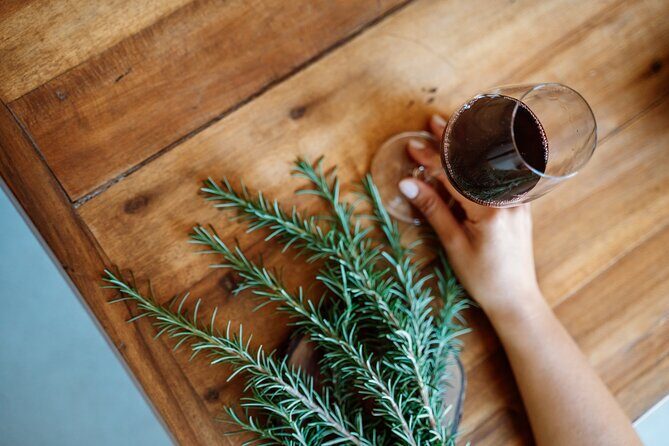
You’re also offered tea with Cretan herbs and traditional cookies with olive oil. These aren’t just extras; they set the pace and make the session feel social and local. You’ll likely notice that conversations during tea help you understand what you’re about to do—why certain steps matter, and how families have passed these recipes along.
From olive oil to soap: hands-on mixing with safety gear and real technique
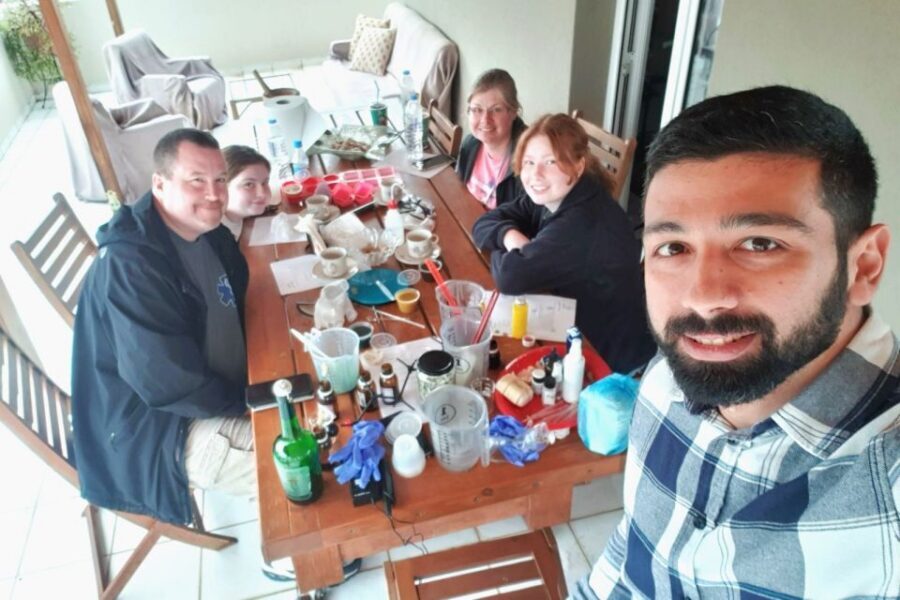
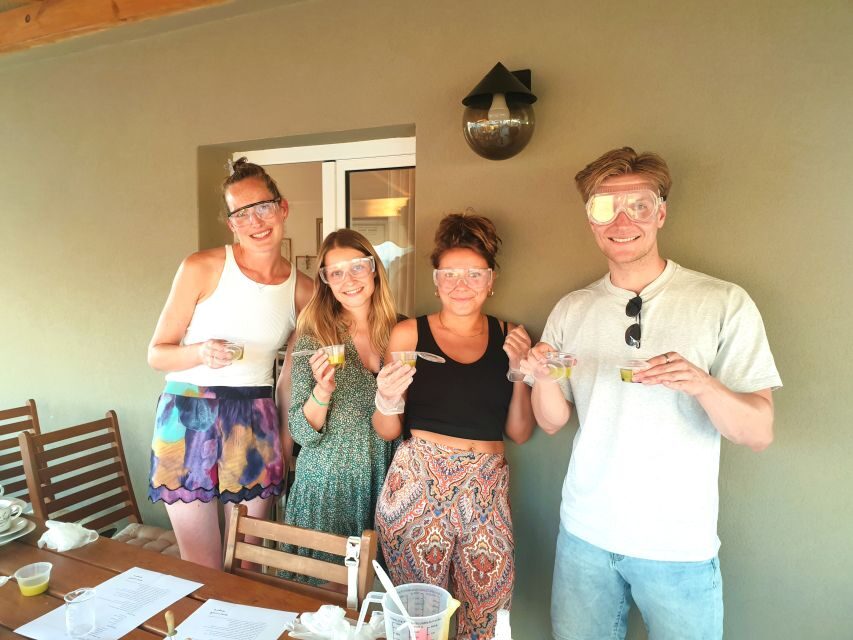
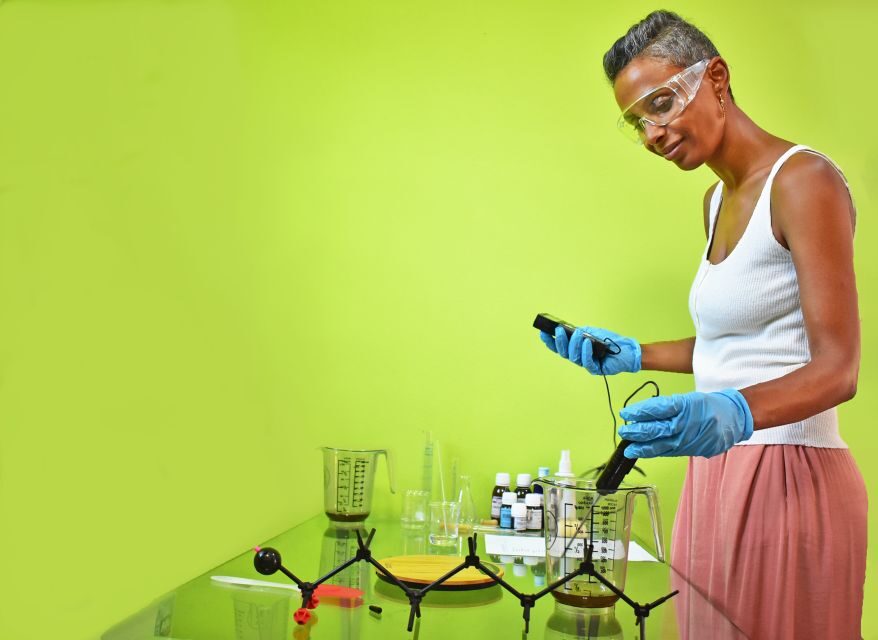
The heart of the workshop is making soap from scratch. You’ll learn how Cretans used to do this at home, using only extra virgin olive oil and recipes passed down through the workshop leader’s family. The big payoff here is that you’re not just watching. You’ll use your hands and do the work.
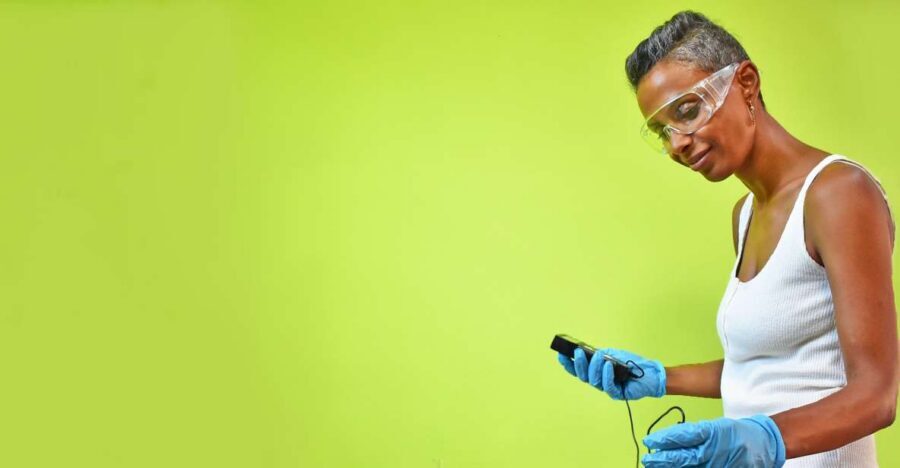
The process is described as completely safe, including for young children, and you’ll be given protective gear. That’s an important detail if you’re used to workshops where you’re basically spectators. Here, your role is active, but the instructor includes enough structure and safety steps to keep it straightforward.
You’ll also get help from a biochemist instructor. Even if you’re not a science person, this is a smart choice for teaching soap-making. Soap is one of those crafts where chemistry explains the “why.” When the person teaching understands both tradition and the science, you’re more likely to leave with practical confidence rather than vague tips.
What I like about this part is how grounded it is. You start with base ingredients, follow the method, and adjust features later. It’s not magic; it’s technique. And once you’ve done it, you’ll understand why people still make their own soap instead of buying it for the novelty.
Personalize your bars: perfume, color, and shape (yes, you can make it yours)
After you begin the main process, there’s room to shape the result to your taste—perfume, color, and shape. This is where the workshop turns from “lesson” into “souvenir with your fingerprints on it.”
You can tailor the bar to match what you like:
- If you prefer a gentler smell, you can adjust how perfume is handled
- If you like visual variety, you can influence color
- If you’re a tactile person, you can choose a style or shape that feels right to you
In at least one review, a person noted that you leave with one big bar or two smaller bars. The exact amount can vary by how your bar is portioned during the session, but the takeaway is consistent: you create your own soap that day.
Also, the instructor is described as patient and kind, including a review that praised Gregori’s chill teaching vibe. That matters because personalization isn’t helpful if you feel rushed or watched. Here, the small-group size plus the instructor’s approach creates enough space to actually enjoy the craft and not worry about messing up.
What you take home: next-day soap and a recipe you’ll use
This is the “don’t get fooled by a nice hour” part. You don’t just leave with memories. You leave with soap that’s ready the next day.
That means you can treat it like an actual functional craft souvenir. You’ll get to use it when you’re back at your rental or hotel—no waiting weeks for a product to arrive, no guessing if it’s the wrong scent intensity. And because it’s made with extra virgin olive oil, it fits naturally into daily routines: handwashing, showering, and gifting.
You also take home a step-by-step recipe. That’s huge for value. A lot of workshops hand you vague instructions you could barely repeat. Here, you’re specifically given what you need to try making it at home. If you’ve ever looked at soap recipes online and thought, This feels too technical, this workshop is the bridge. You can compare what you did with the written method and replicate it with confidence.
In several reviews, the recipe was mentioned as a key reason people felt it was worth it. One person even said they’d make more when they got home—exactly the outcome you want from a hands-on activity.


Why the olive oil story matters: local, untreated production and a craft you can trust
One of the most compelling claims in the workshop info is about the olive oil itself. You’re using olive oil produced locally, and it’s described as without insecticides or fertilizers. Whether you’re deeply into agriculture or just into good ingredients, that matters because it connects the soap-making to how Cretans used to live: with local resources and less chemical intervention.
You’re learning a craft that’s been passed down through generations, and the workshop ties that tradition to an olive oil source from the instructor’s family. This isn’t just a “theme.” It’s part of why the process feels authentic and why the workshop can offer that recipe with authority.
Also, using extra virgin olive oil only changes the vibe. Many “olive oil soaps” you find commercially are blended or adjusted with other components. Here, the method is framed as traditional and focused. That makes the workshop more than a craft for beginners—it’s a cultural lesson you can hold in your hand.
Price and value check: is $49 fair for 2 hours in Heraklion?
At $49 per person for a 2-hour workshop, the price can sound reasonable—or steep—depending on what’s included. The key is what you get back.
You’re not paying only for someone to explain a process. Your included items are:
- the soap workshop with a local
- protective gear
- tea with Cretan herbs
- traditional cookies with olive oil
- and you take your soap home (ready the next day)
- plus a step-by-step recipe to keep
When I look at workshops, I ask: do I leave with materials I can use? In this case, yes. That turns it from “a nice evening” into “a useful souvenir and a skill.” And since the group is limited to 6, you’re paying for hands-on time rather than a crowd experience.
So for many people, the value is in the combo: small group instruction + real output + recipe. If you’re the kind of traveler who likes to learn something you’ll repeat (even one time), $49 starts to look fair fast.
Who this workshop suits best (and who might hesitate)
This is a great match if you want a practical craft with a strong sense of place. Several reviews emphasize that you don’t need prior soap interest to enjoy it, which tells me the instructor does a good job keeping the experience accessible. If you’re curious about why olive oil soaps work, you’ll likely enjoy the biochemist element too.
You’ll also like it if you prefer activities that feel local and personal. Sitting at a rooftop viewpoint in Heraklion with herbal tea and cookies makes it feel like you stepped into a neighbor’s day, not a staged tourism set.
If you’re the type who wants sightseeing and nothing else, you might find the focus on making soap a bit slow. This is a craft session; it’s not designed to be a tour of monuments. Also, it’s best if you’re willing to commit to the full timeframe so your soap can set and be ready the next day.
Should you book this Cretan soap workshop?
I’d book it if you want a genuinely hands-on cultural experience in Heraklion—one where you leave with usable soap and a recipe. The small group limit, the safe structure with protective gear, and the chance to personalize perfume, color, and shape make it feel like your own project, not a cookie-cutter activity.
If you’re short on time and only want to sample without creating, you might prefer something else. But if you’re happy to spend two focused hours learning and then using your results the next day, this workshop is a strong value choice.
FAQ
How long is the soap-making workshop?
The duration is 2 hours.
Where is the meeting point?
The meeting point is at Michail Vlachou 27.
Is the workshop taught in English?
Yes, the instructor teaches in English.
How big is the group?
The group is limited to a small group of up to 6 participants.
Do I need any prior knowledge about soap-making?
No specific knowledge is required. You can go in without prior soap experience.
Is it safe if children join?
The procedure is described as completely safe, even for young children, and protective gear is included.
What do I get included in the price?
The included items are the soap workshop with a local, protective gear, tea with Cretan herbs, and traditional cookies with olive oil.
What can I take home?
You take your homemade soap with you, and it will be ready the next day. You also receive a step-by-step recipe to use at home.
How can I get there by bus?
Bus number 4 (Mastampas) goes to the area. You would get off at the bus stop called Ieroloxiton 76 Daskalaki.
What is the cancellation and payment flexibility?
Free cancellation is available up to 24 hours in advance for a full refund, and you can reserve now and pay later to keep plans flexible.
FAQ
Question goes here
Answer paragraph