REVIEW · HERAKLION
Guided Day Tour in Lasithi Plateau, Greek theme park and Villages
Book on Viator →Operated by Cretan Vioma · Bookable on Viator
One look at the Lasithi Plateau and you get the picture. This guided day trip strings together Crete’s monastery heritage with a Greek mythology park and a real village lunch break, all in a tight 6 to 7 hours. I like how the pace stays friendly, so you’re not rushed at every stop.
My favorite part is the lineup: Kera Kardiotissa Monastery for church art and its small museum, then a hands-on feel for mythology and Minoan-era inspiration at the Greek Mythology Thematic Park. The Krasi stop also hits hard in the best way, especially with that legendary plane tree and the village spring water.
The one thing to consider is timing and comfort: you’ll be on a vehicle for a good chunk of the day, and the tour depends on good weather since it runs outdoors between stops.
In This Review
- Key highlights I’d plan around
- A small-group Lasithi Plateau circuit worth your morning
- Pickup, timing, and what 6 to 7 hours feels like
- Stop 1: Kera Kardiotissa Monastery and its church museum
- Stop 2: The Greek Mythology Thematic Park (Minoans, myths, rural Crete)
- Stop 3: Krasi village, the 2,000-year plane tree, and water from Mount Selena
- Stop 4: Omalia Olive Press tour and olive oil tasting
- Lunch with wine at Krasi: the value piece you’ll remember
- Price and what you actually get for $118.94
- Who this tour suits best (and who might not)
- Should you book Cretan Vioma’s Lasithi Plateau tour?
- FAQ
- What’s the duration of this tour?
- Where does the tour start, and what time?
- Is hotel pickup offered?
- What language is the tour guide using?
- How many people are in the group?
- What stops are included in the itinerary?
- Is lunch included?
- Are entry fees included?
- Do I need to buy tickets or show anything on my phone?
- What’s the cancellation policy?
- Is the tour suitable for most travelers?
Key highlights I’d plan around
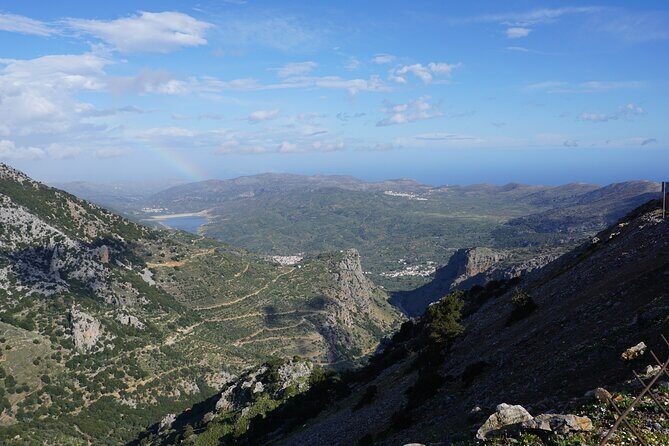
- Kera Kardiotissa Monastery: Greek Orthodox setting plus a church museum you get in as part of the visit
- Greek Mythology Thematic Park: myth and Minoan-themed storytelling tied to rural Crete of 100 years ago
- Krasi village photo stop: one of Europe’s oldest plane trees, said to be 2000 years old
- Mount Selena spring waters: see stone springs gushing from the mountainside
- Omalia Olive Press: guided mill tour plus an olive oil tasting
- Max 8 travelers: small-group flow that keeps the guide’s attention on you
A small-group Lasithi Plateau circuit worth your morning
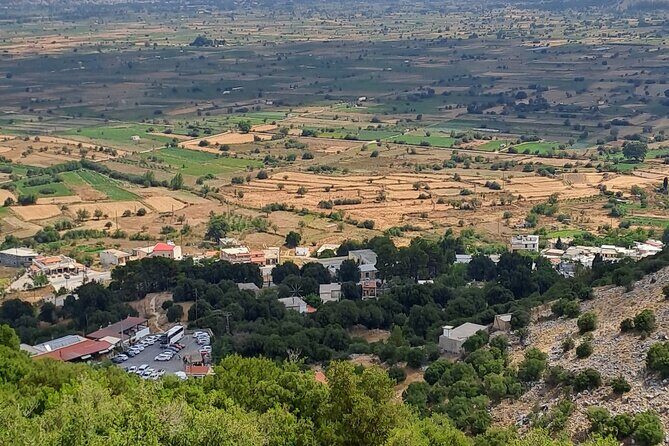
This is the kind of day tour I like: not too many stops, but each one has a distinct “why we’re here.” You start at 9:30 am, and you’re back with time left in the evening. That matters if you’re staying in Heraklion and don’t want your whole day eaten by transfers.
You’ll ride in an air-conditioned vehicle, and the group size is capped at 8 travelers. That’s a practical detail. In a smaller group, questions feel normal, and you’re less likely to get stuck behind people who move slowly.
Also, the focus is Crete and Greek culture, not just sightseeing for sightseeing’s sake. The park stop, for example, is built around an approach that respects Minoan civilization, Greek mythology, and rural life from around a century ago. If you like your mythology with context, that tone is a big plus.
Other Lasithi Plateau tours we've reviewed in Heraklion
Pickup, timing, and what 6 to 7 hours feels like
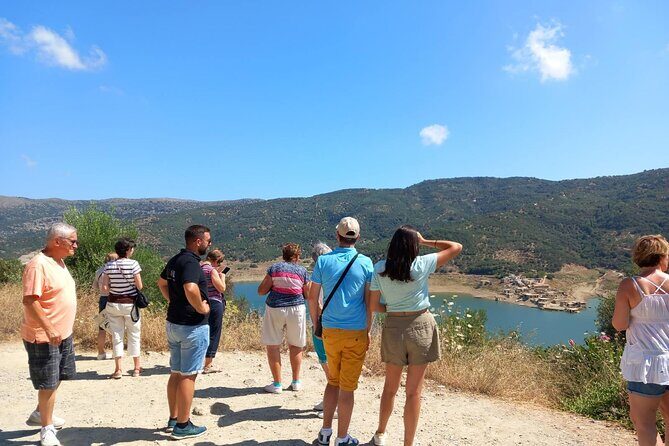
The tour runs about 6 to 7 hours total, including travel time. Pickup is available from your hotel lobby or from the address you specify, and the guide is operating in English.
Here’s how the day typically stacks up by stop length:
- Kera Kardiotissa Monastery: about 30 minutes
- Greek Mythology Thematic Park: about 1 hour
- Krasi village and lunch time: about 1 hour 30 minutes
- Omalia Olive Press: about 45 minutes
In real terms, that means you’ll spend most of the day in motion between scenes, but each stop has a clear block of time. If you’re the kind of traveler who likes to actually look at what you’re paying to see, this schedule is solid. If you need long unstructured wandering time, you’ll want to treat this as a guided “hit the key places” day.
Stop 1: Kera Kardiotissa Monastery and its church museum
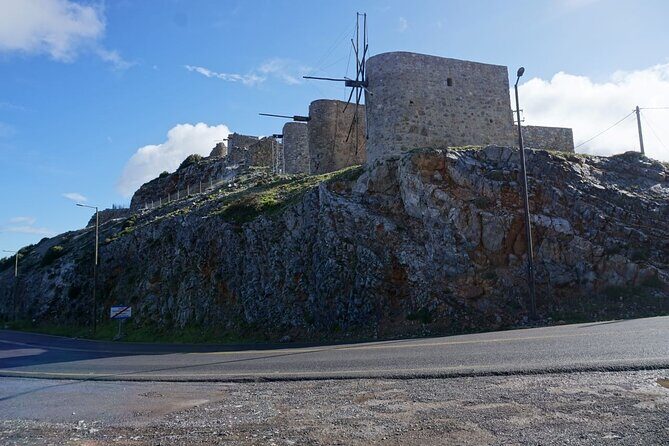
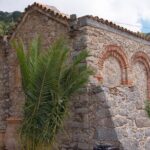
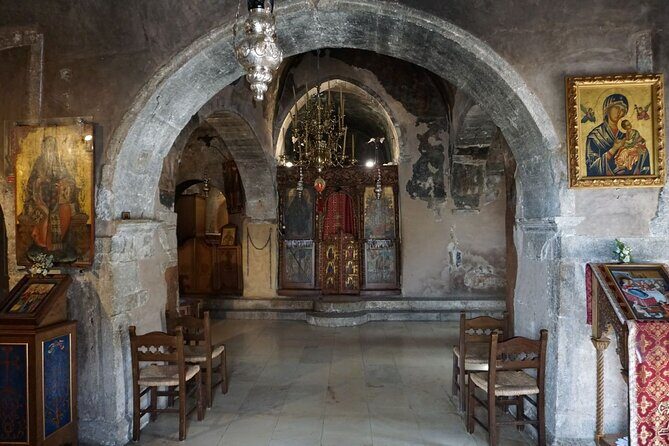
Kera Kardiotissa Monastery is your first cultural anchor. You’re stepping into a Greek Orthodox setting, and the visit includes time in the church area plus a museum connected to the church.
What I like here is the mix: you’re not only looking at the religious space, you’re also getting the story behind it through the museum. Even if you’re not a devoted church-art person, a short museum visit can give your eyes something to hold onto—what you’re seeing and why it matters.
The monastery stop is about 30 minutes, with admission included. That’s enough time to get your bearings and see the main sights without feeling trapped in a timed shuffle. The trade-off is that you can’t expect a deep, slow walk through every detail. Go in ready to be present, then move on.
Practical tip: wear comfortable shoes. Monastery visits often involve uneven surfaces and stairs, and you’ll feel better if your feet are prepared.
Stop 2: The Greek Mythology Thematic Park (Minoans, myths, rural Crete)
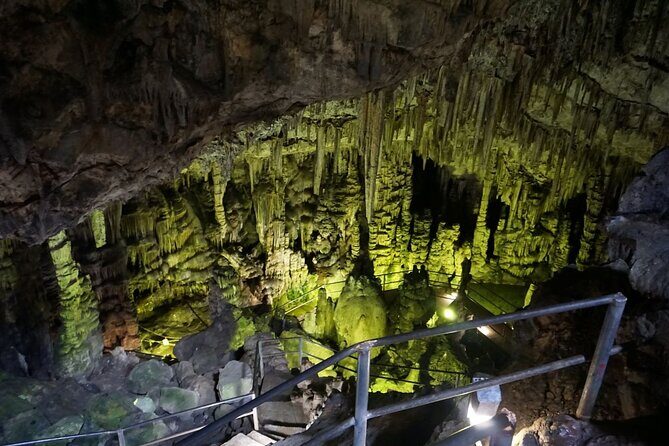
Next is the Greek Mythology Thematic Park, and the angle is important. It’s not treated like a random theme park stop. The concept is described as respectful toward Minoan civilization, Greek mythology, and the way rural Crete lived about 100 years ago.
You get about 1 hour here with admission included. That hour gives you enough time to walk the space and connect the themes without feeling like you’re sprinting. If you enjoy mythology but get tired when it feels like pure storytelling with no grounding, this park’s approach may click for you.
One small consideration: because it’s thematic, some people will love the blend of myth + rural life, while others may prefer more purely historical sites. If you want only archaeology museums and ruins, you might find this stop more “storytelling” than “artifact.”
Still, as a change of pace, it’s smart. After the monastery’s quiet, this adds energy and visual interpretation before you head into village life for lunch.
Stop 3: Krasi village, the 2,000-year plane tree, and water from Mount Selena
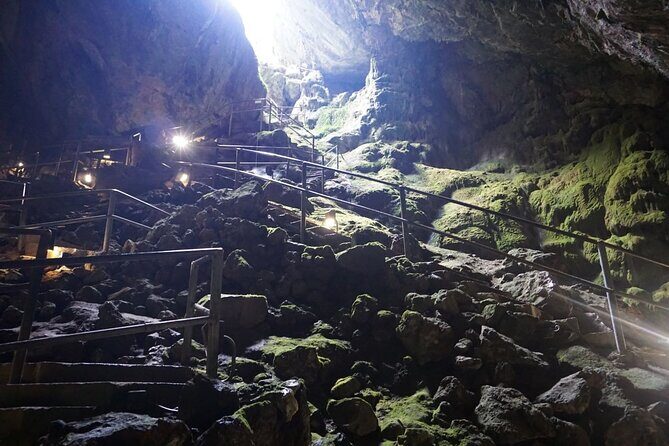
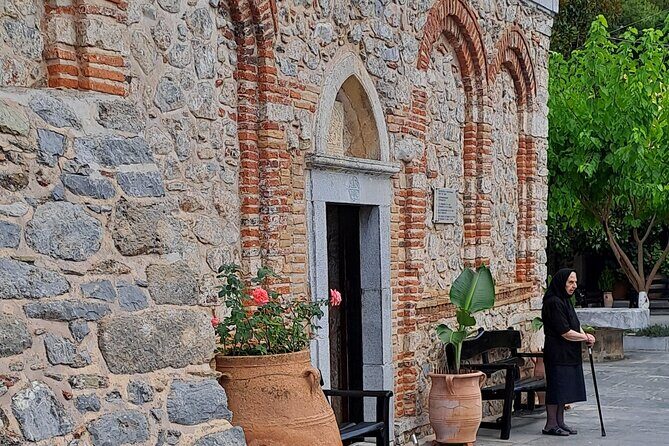
Krasi is where the tour turns scenic and human-scale. This is a traditional, picturesque village stop, and it comes with a standout nature-and-culture moment: the famed plane tree.
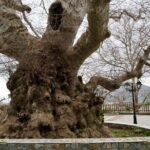
The plane tree at Krasi is said to be 2000 years old, and it’s described as among the oldest plane trees in Europe. Even if you’ve seen ancient trees before, the scale and the age claim are the kind of thing you remember later—especially if you’re traveling through places that still have living history.
You also get a very Cretan detail: stone springs that gush water from the mountain of Selena. That’s the kind of specific landscape feature you usually only hear about when someone local is pointing it out. The tour gives you time to see it during the village stop.
Then comes the part you’ll feel in your body: lunch at a picturesque tavern with wine. Lunch time is built into this stop (about 1 hour 30 minutes), and it’s one of the best value pieces of the whole day because it’s included. In one of the experiences, the meal came with wine, and the lunch itself seemed genuinely satisfying—not just a box-checking pause.
If you like to walk a bit and take photos, this is your moment. If you don’t, you can still enjoy the village atmosphere and focus on the plane tree and the springs.
Other guided tours in Heraklion

Stop 4: Omalia Olive Press tour and olive oil tasting
After lunch, you head to Omalia Olive Press, where you get a guided tour of the olive mill. It’s about 45 minutes, and admission plus the tasting is included.
This is one of the stops that makes the day feel grounded. Olive oil in Crete isn’t a trivia topic—it’s a daily part of life. A mill tour gives you a sense of the process, then the tasting lets you connect that process to what ends up in your food.
You should approach the tasting with an open mind. You may notice differences in flavor and aroma, but even if it’s subtle, the act of tasting in context is the point. And because it’s guided, you’re not left guessing what you should be picking up.
Potential drawback: if you’re not interested in food production at all, this stop may feel less exciting than monastery art or village scenery. But if you’ve ever wanted olive oil to be more than a supermarket purchase, this is a good structured way to learn.
Lunch with wine at Krasi: the value piece you’ll remember
Food stops can be hit-or-miss on tours. Here, lunch is included, and the Krasi tavern stop is a highlight in the way these trips are often won or lost.
You get a proper break during the 1 hour 30 minutes window. That’s enough time to eat without stress, use the bathroom, and reset your energy before the olive press.
One extra detail worth knowing: the lunch was described as paired with wine, and a small thoughtful “loot bag” was mentioned at the end of the trip. Those details sound minor, but they’re the kind of touch that makes the experience feel cared for rather than transactional.
If you have dietary needs, the tour info you provided doesn’t list specifics. So before you go, message the operator with your requirements and confirm what they can handle. That’s the safest move.
Price and what you actually get for $118.94
At $118.94 per person, the price looks reasonable once you break it down into what’s included.
Included:
- air-conditioned vehicle
- lunch
- all fees and taxes
- entry fees
- bottled water
- guide and driver
That matters because entry fees can add up fast in a day tour, especially when you’re visiting multiple cultural locations. Also, the bottled water is one less thing you need to buy during the day.
The other value factor is the group size (maximum 8). You’re not paying for a busload experience. You’re paying for a guided plan that keeps time efficient.
One thing to keep in mind: the tour includes the major costs, but personal expenses are not included. If you want souvenirs, extra drinks beyond what comes with lunch, or anything else, budget a bit.
Who this tour suits best (and who might not)
This is a great fit if you want a guided, organized way to see several sides of Crete in one day:
- history and Orthodox tradition at Kera Kardiotissa
- myth and cultural storytelling at the Greek Mythology Thematic Park
- village life, ancient trees, and spring water at Krasi
- local production culture with Omalia Olive Press
You’ll probably be happiest if you enjoy a schedule and like learning from a guide rather than building a DIY itinerary.
Who might skip it:
- If you want a very slow, independent day with long free time in each place, the fixed time blocks (30 minutes, 1 hour, 1 hour 30 minutes, 45 minutes) may feel tight.
- If you strongly dislike food-production or tasting experiences, the olive press stop could feel less relevant.
Good news: the tour says most travelers can participate, and it allows service animals. So for many people, it’s a comfortable day format.
Should you book Cretan Vioma’s Lasithi Plateau tour?
I’d book it if you want a well-paced day with real variety: monastery + mythology + village + olive oil. The mix is practical for first-time visitors because it doesn’t rely on just one type of attraction.
I’d also book it if value is important to you. Between entry fees, lunch, bottled water, and the guided stops, the tour covers the common cost traps that make DIY days pricier than they seem.
The only reason not to book is if the weather could be an issue for you. The tour notes it requires good weather, and if it’s canceled for poor weather you’ll be offered a different date or a full refund.
If your priorities match those strengths—especially the Krasi village nature moment and the monastery museum—this is a strong choice.
FAQ
What’s the duration of this tour?
It runs for about 6 to 7 hours, and travel time is included in the total duration.
Where does the tour start, and what time?
The start time is 9:30 am.
Is hotel pickup offered?
Yes. Pickup is available from the hotel lobby or from the address you specify.
What language is the tour guide using?
The tour is offered in English.
How many people are in the group?
The maximum group size is 8 travelers.
What stops are included in the itinerary?
You’ll visit Kera Kardiotissa Monastery, the Greek Mythology Thematic Park, Krasi village, and the Omalia Olive Press.
Is lunch included?
Yes. Lunch is included, and it happens during the Krasi stop.
Are entry fees included?
Yes. All entry fees are included.
Do I need to buy tickets or show anything on my phone?
You’ll receive a mobile ticket.
What’s the cancellation policy?
You can cancel for a full refund up to 24 hours in advance of the experience’s start time. Changes within 24 hours of the start time aren’t accepted. If poor weather cancels the tour, you’ll be offered a different date or a full refund.
Is the tour suitable for most travelers?
The tour indicates most travelers can participate. Service animals are allowed as well.