REVIEW · HERAKLION
Orthodox Crete: In the Footsteps of the Apostle Paul from 55 AD
Book on Viator →Operated by Crete Private & Luxury Tours by Snami Travel · Bookable on Viator
Paul’s trail meets Cretan faith today. This private 8-hour route links Orthodox sites across central and southern Crete to early Christian stories tied to the Apostle Paul. You’ll move from historic towns to monasteries, a cave said to still flow with healing water, and end at Matala’s ancient coastal caves.
I especially like the private guiding. The day is shaped by real local guides such as Gethsemane, Ioanna, Alex, and Nektar, and they focus on making Judeo-Christian context feel relevant, not like a lecture. I also like the comfort and support: chauffeured premium vehicle, Wi‑Fi, USB sockets, snacks and mineral water, plus help with restaurant recommendations and VIP ticket assistance.
One thing to think about: this is a long day with multiple stops, and the Palace of Faistos admission is not included, so you’ll want to budget for that ticket even with VIP help.
In This Review
- Key highlights from this Orthodox Crete day
- How the private Orthodox Crete day runs from Heraklion
- Heraklion Prefecture: grounding the Apostle Paul story
- Agios Myronas cave at 400m: healing water and ascent
- Messara Plain: ancient valley with an Orthodox lens
- Moni Palianis monastery and the sacred myrtle relic
- Phaistos Palace: the one admission cost to plan for
- Odigitria Monastery (Agiofarango): fortified south Crete
- Matala Beach and the Gortyna caves: finish with seafood
- Guides you can actually talk to, from Gethsemane to Ioanna
- Value check and practical tips before you go
- Should you book this Paul-to-Orthodoxy route?
- FAQ
- How long is the Orthodox Crete tour?
- Is this a private tour or shared group?
- Do you offer pickup and drop-off?
- What language is the tour guide?
- Are admission tickets included?
- Do I get help with tickets or skip-the-line access?
- What’s included in the vehicle?
- What happens at the end of the tour?
- Is free cancellation available?
Key highlights from this Orthodox Crete day
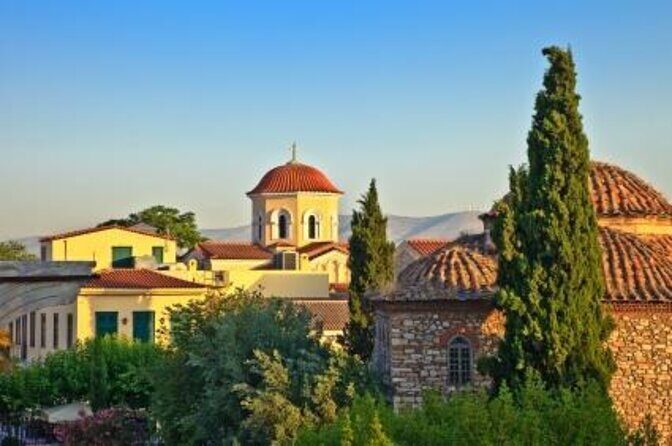
- A Paul-centered Orthodox route connecting faith and place, site by site
- Agios Myronas cave at 400m, with healing-water lore still tied to the rock
- Moni Palianis with its Assumption dedication and a sacred myrtle tree linked to Minoan dendrolatry
- Odigitria Monastery (Agiofarango) in southern Crete, known for fortified monastic architecture
- Matala Beach + Gortyna caves, finishing with Neolithic cave culture and seafood
How the private Orthodox Crete day runs from Heraklion
This is a private tour, so you’re not stuck sharing the day with strangers. Pickup is flexible and designed for real life: you can be collected from your hotel, villa, cruise, or essentially any point on Crete, then you end back at the meeting point. That matters because Crete isn’t compact, and timing can get messy without the right logistics.
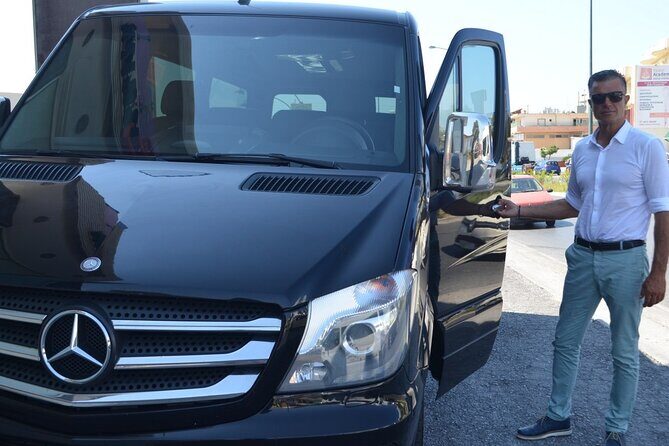
The ride is part of the experience. You get a chauffeured premium vehicle with Wi‑Fi, USB sockets, mineral water, Cretan fruits, snacks, and hygiene amenities. You’ll also have concierge support before and during the day trip, plus assistance with restaurant recommendations and reservations.
A small but useful detail: you receive a mobile ticket, and there’s VIP skip-the-line access and ticket-purchase help when needed. For religious and archaeological sites, that saves time and stress, especially if you’re trying to keep the day moving without rushing through everything.
If you're still narrowing it down, here are other tours in Heraklion we've reviewed.


Heraklion Prefecture: grounding the Apostle Paul story
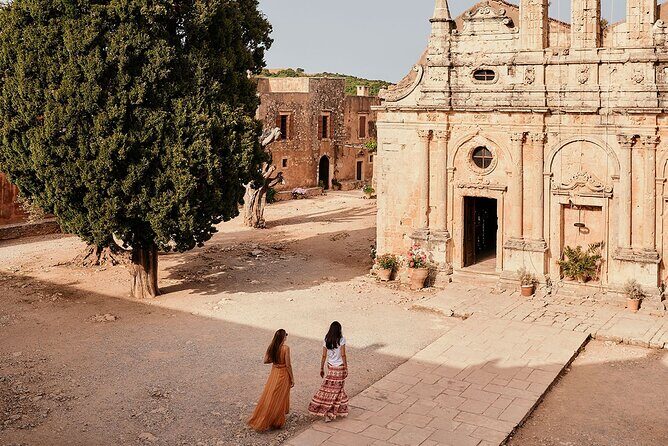
Your day starts in the Heraklion area, where the guide sets the tone for everything that follows. The focus is Orthodox Christianity in Crete, framed through connections to the apostolic era around 55 AD. Even if you’re not deep into church history, the value here is that the guide turns the theme into something you can see in the places themselves, not just read later.
This first stop is also a good moment to get oriented. If you’re the kind of person who likes understanding the bigger picture before you start climbing stairs or stepping into churches, you’ll appreciate the pacing. It’s about connecting ideas to geography: where faith takes root, how later traditions preserve older memory, and why certain sites keep being referenced.
The timing is short (about 45 minutes), so treat it as an opening act. If you want to maximize the day, come ready with a couple of questions—like how Orthodox tradition views apostolic beginnings—so the guide can tailor explanations in a direction you care about.
Agios Myronas cave at 400m: healing water and ascent
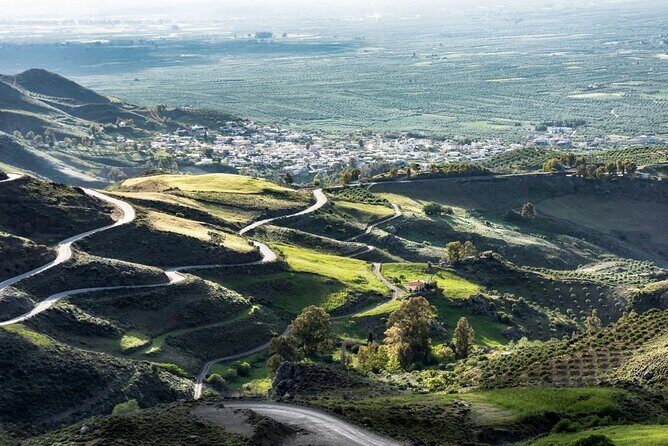
Next comes Agios Myronas, reached by climbing to an altitude of about 400 meters. That little detail changes how the stop feels. You’re not just driving; you’re literally moving into a different physical setting, and the guide can use that shift to talk about ascetic life, retreat, and why caves and springs matter in religious practice.
You’ll spend around 35 minutes here, and the headline is the holy cave associated with Agios Myronas. The story is that healing water still gushes from within the rock. Even if you approach these claims with a practical mindset, the experience is about seeing how sacred narratives attach to a specific place—and why that place stays central for believers.
If you’re sensitive to cold stone or damp air, think ahead. Caves can feel cooler and more humid than the outside world. I’d bring a light layer, just in case the temperature drops.
Messara Plain: ancient valley with an Orthodox lens
Then you head toward the Messara Plain, along the ancient Messara valley. This is about slow thinking. The day’s earlier stops focused on specific holy anchors—cave, monastery, relic. Messara is more about the setting around those anchors: agriculture, long timelines, and how a faith community grows alongside everyday life.
You’ll have about 45 minutes here, guided in a way that tries to show both spiritual and unspoiled sides of the island. That phrase matters. It’s easy to come to Crete and only chase “famous” viewpoints. This stop nudges you toward a Crete that feels quieter and more rooted.
A practical note: plains can be breezy and sunny, even when nearby areas feel cooler. Bring sunglasses and plan for sun protection. Also, use this stop as a chance to ask your guide to connect what you’ve just seen to what you’ll see next—Orthodox architecture and relic stories often make more sense when you understand the region’s rhythms.
Moni Palianis monastery and the sacred myrtle relic
Paliani is a monastery dedicated to the Assumption, and it’s described as one of the oldest Cretan monasteries. The core reason to stop here is the combination: architecture, living Orthodox practice, and a relic that ties the island’s older beliefs to later Christianity.
You’ll have about 35 minutes. The monastery is famous for its sacred myrtle tree, presented as a relic connected to Minoan Crete and dendrolatry—worship or veneration connected to trees. That’s not just a fun fact. It’s a real clue about how cultures overlap over centuries in Crete, especially when old symbols get reinterpreted in newer religious language.
This is also a good stop for respectful observation. If you dress modestly and keep your phone use calm inside the religious spaces, the whole visit feels smoother. You can also use this moment to ask your guide how they see the continuity: not in a simplistic way, but in how meaning travels through time.
Phaistos Palace: the one admission cost to plan for
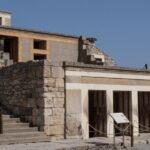
Your route then pushes toward the Palace of Faistos (Phaistos). This is the prehistoric and Bronze Age side of the day, a strong reminder that Orthodox Crete sits on top of layers much older than the apostolic story.
You get about 35 minutes at Faistos. The practical catch: admission for Faistos isn’t included. Even with VIP skip-the-line assistance and ticket-purchase help, you should expect to pay the site entry fee. If you’re trying to keep the budget tight, this is the one stop to plan for ahead of time.
Why it’s worth it anyway? Because it gives your guide room to connect the dots. When someone explains how later religious life interacts with earlier civilizations, you stop seeing Crete as one era and start seeing it as a stack of eras.
Wear shoes you’re comfortable walking in. Archaeological sites often have uneven ground, and you’ll want your footing to feel solid so you can focus on the story instead of your ankles.
Odigitria Monastery (Agiofarango): fortified south Crete

Odigitria Monastery is on the southern side of the island, and it’s also known as Agiofarango. Expect about 45 minutes, and expect the feel of a place built not only for faith, but also for defense. The description is fortified monastic architecture that echoes Crete’s cultural legacy.
This is the kind of stop where the guide’s voice matters. When someone explains how architecture reflects risk—borderlines, raids, changing power—it makes the stones feel less like scenery and more like strategy. Orthodox monasteries often have a strong sense of community and protection, and this one leans into that idea.
If you like your religion with a side of history and human survival, this is a highlight. It’s also a good mental reset after the open spaces and caves. You’ll be going from exposed light to structured walls, and that shift helps the day feel varied instead of repetitive.
Matala Beach and the Gortyna caves: finish with seafood
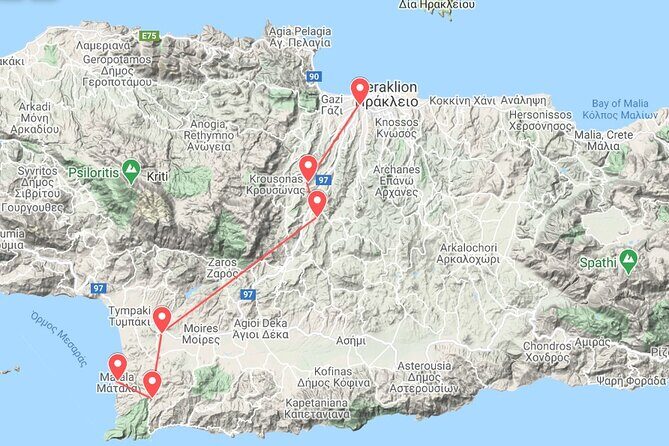
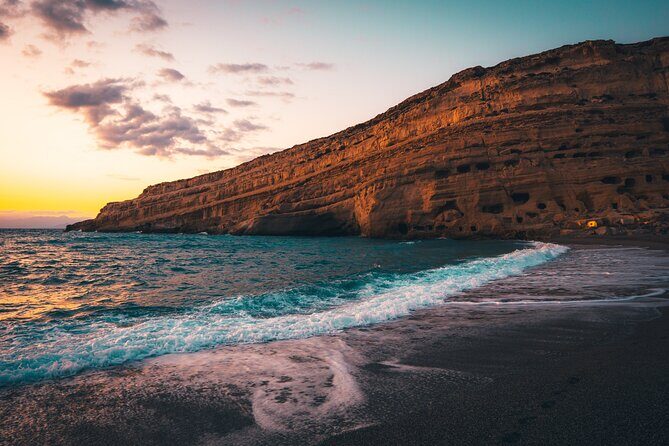
You end at Matala Beach, with around two hours to slow down. Matala is described as a prehistoric port of Gortyna, with iconic caves from the Neolithic Age. After a day of monasteries and sacred sites, this feels like a release valve.
You’ll be able to see how caves function across time: from holy cave traditions to Neolithic cave culture. The guide can explain the continuity of human use—people keep finding shelter and meaning in the same kind of natural features.
Food is part of the finale. The day includes guidance for restaurant recommendations and reservations, and seafood is specifically called out for Matala. Since drinks and meals aren’t included, decide early what you want to eat so you don’t end up making hungry choices five minutes before closing time.
This final beach segment is where you’ll feel the “private” value most. Instead of rushing, you can take your time, soak up the sea air, and let the earlier stories settle in.
Guides you can actually talk to, from Gethsemane to Ioanna
The most praised aspect is the guiding style. In multiple experiences tied to this route, guides like Gethsemane and Ioanna are singled out for strong Judeo-Christian context and the ability to make it feel alive. Another guide name that comes up is Nektar, described as having a historical and religious education level that made the day click.
This matters because the theme is specific: Orthodox Crete “in the footsteps” of the Apostle Paul. If the guide just reads facts, it can turn into noise. But when the guide connects each site to the theme and listens to your interests, the day becomes more than a checklist.
One review detail that really sticks: the guide kept young boys engaged during the day, which is hard to pull off on a religious-history route. It’s a sign that the guide adapts. If you have kids, this is the kind of tour that can still work because the conversations aren’t only adult-focused.
And because it’s private, personalization is easier. You can aim the day toward Orthodox practice, early Christianity context, or the archaeology side at Faistos and Gortyna caves.
Value check and practical tips before you go
Let’s talk value without the fluff. You’re paying for four things that add up:
- A private local guide who can connect meaning across sites
- Premium transport with comfort features (Wi‑Fi, USB, snacks, mineral water)
- Support for logistics, including concierge help and restaurant reservations
- VIP ticket assistance, including skip-the-line access where offered
Admission fees are not fully included, and drinks and meals aren’t included either. But most stops are listed with free admission tickets in the route structure, with the Faistos Palace ticket called out as not included. So the day is structured to keep costs manageable, while still giving you access to major sites.
What you should pack is simple:
- Light sun protection and water (you’ll get mineral water onboard, but you might still want more)
- Comfortable shoes for a day with multiple walking stops
- A modest outfit if you plan to enter monastery spaces
- A light layer if caves feel cooler than outside air
If you care about early Christian faith, Orthodox traditions, and Crete’s layered past, this route fits. If you only want beach time, you’ll still get two hours at Matala, but the day is clearly built around religious and historical stops first.
Should you book this Paul-to-Orthodoxy route?
If your ideal day in Crete is part spiritual, part historical, and part “talk with the guide until it makes sense,” then yes. The private format, VIP ticket help, and high guide quality are the strongest reasons to book. The route also has variety: cave traditions at Agios Myronas, monastic relic culture at Moni Palianis, fortified monastic architecture at Odigitria/Agiofarango, and finally Matala’s Neolithic cave setting.
Book it especially if:
- you want a Christian-focused Crete day anchored to early apostolic context
- you like context and conversations, not just photos
- you’d rather have one strong guided story than hop around alone
Skip it if you’re trying to minimize driving time or you want a strictly archaeological day with no religious emphasis.
FAQ
How long is the Orthodox Crete tour?
It lasts about 8 hours, with individual stops ranging from roughly 35 to 45 minutes and a longer final beach stop of about 2 hours.
Is this a private tour or shared group?
It’s private. Only your group participates.
Do you offer pickup and drop-off?
Yes. Personal pick-up and drop-off are included, with flexible pickup time. Pickup can be from your hotel, villa, cruise, or another point on Crete.
What language is the tour guide?
The tour is offered in English.
Are admission tickets included?
Admission fees are not included overall. Some stops are listed as admission ticket free, but the Palace of Faistos specifically notes admission ticket not included.
Do I get help with tickets or skip-the-line access?
Yes. There is VIP skip-the-line access and assistance with purchasing admission tickets.
What’s included in the vehicle?
The chauffeured premium vehicle includes mineral water, Cretan fruits & snacks, Wi‑Fi, USB sockets, and hygiene amenities.
What happens at the end of the tour?
The tour ends back at the meeting point.
Is free cancellation available?
Yes. You can cancel up to 24 hours in advance for a full refund.