REVIEW · HERAKLION
CRETAquarium Entrance Ticket in Crete
Book on Viator →Operated by Cretaquarium of Hellenic Centre for Marine Research · Bookable on Viator
Aquarium time beats another museum day. Cretaquarium in Heraklion is built around Mediterranean marine life, with 60 tanks and a layout that works even if you only have a short window.
What I really like is how easy to navigate it feels once you’re inside, and how the exhibits connect to the Cretan and wider Mediterranean seafloor rather than just showing fish. One drawback: it’s smaller than some big-name aquariums, so if you’re expecting a full-day mega-park, plan for a shorter visit.
In This Review
- Key highlights to know before you go
- Cretaquarium in Heraklion: what you’re really buying
- Inside the exhibits: 60 tanks of Mediterranean life
- Stop 1: CRETAquarium Thalassokosmos (your main event)
- What to expect as you walk through
- A special note on the focus
- Price and value: why $9.61 can feel like a win
- Timing your visit: opening hours that make planning easier
- Optional audio guide: when 3 euros is worth it
- Facilities and comfort: cafeteria, parking, and sea views
- Getting there: meeting point and what makes entry smooth
- Who this fits best (and who may not love it)
- Make the most of your visit: simple on-the-ground strategy
- Quick practical FAQ
- FAQ
- How much does the Cretaquarium entrance ticket cost?
- How long should I plan to spend at Cretaquarium?
- What are Cretaquarium’s opening hours?
- Is the experience available in English?
- Is an admission ticket included?
- Is there an audio guide?
- Where do I go to enter?
- Do children need to be with an adult?
- Are service animals allowed?
- What is the cancellation policy?
- Should you book Cretaquarium in Heraklion?
Key highlights to know before you go
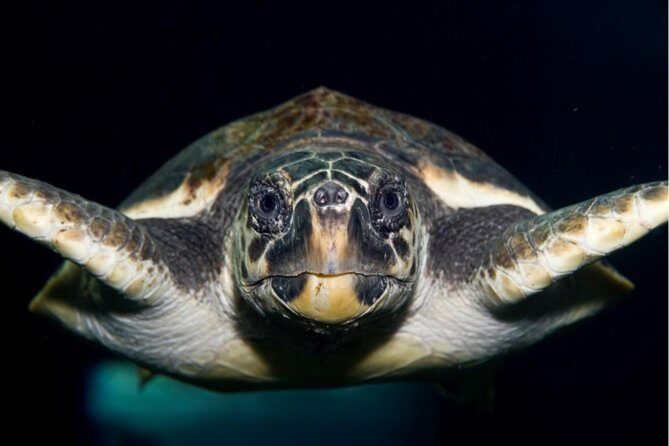
- 60 tanks, 2,000 sea animals, 200 species from the Mediterranean basin
- Mediterranean ecosystems focus, including representations of Cretan sea beds
- About 1 hour is common, especially if you want the highlights without rushing
- Optional audio guide for 3 euros, and it can make the visit feel way more complete
- Well-kept site with handy facilities, including a cafeteria, parking, and sea views
- Simple entry with your voucher at the front desk
Cretaquarium in Heraklion: what you’re really buying
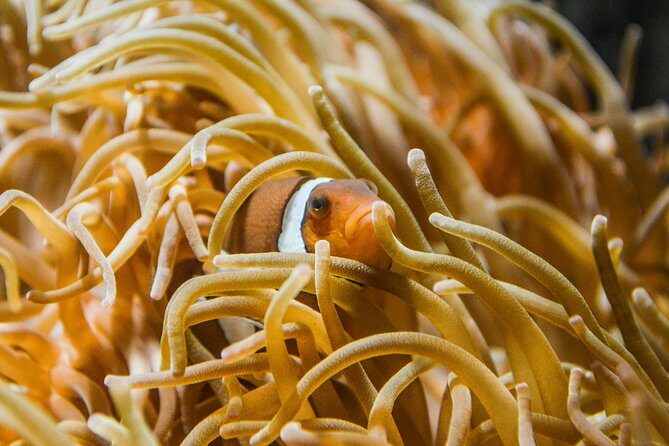
You’re not buying a guided bus tour or a long checklist of stops. You’re buying entrance to Cretaquarium at Thalassokosmos in Heraklion, where the main event is walking through exhibits of Mediterranean marine life.
This is good news if you like flexible travel. You can show up during opening hours and spend as much time as you want among the tanks, typically landing around an hour if you’re doing it at an easy sightseeing pace. The ticket also covers everything you need for entry—no “gotchas” to start your visit.
And price matters here. At $9.61 per person, it’s in the category of low-cost activities that still feel like a real outing. You’re paying for a curated setting with lots of animal viewing and educational design, rather than paying just for admission to a single room.
CRETAquarium tickets and visits in Heraklion

Inside the exhibits: 60 tanks of Mediterranean life
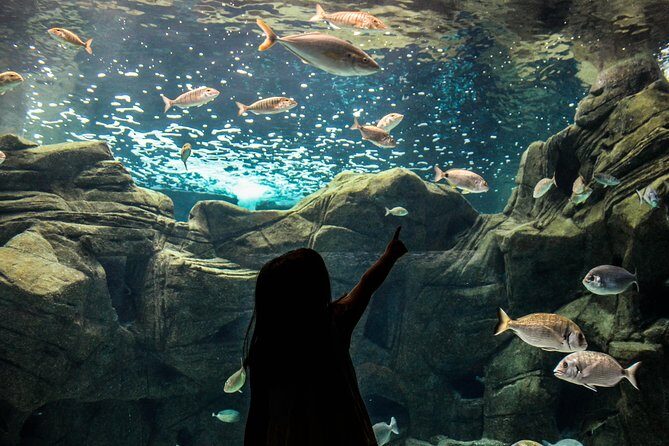
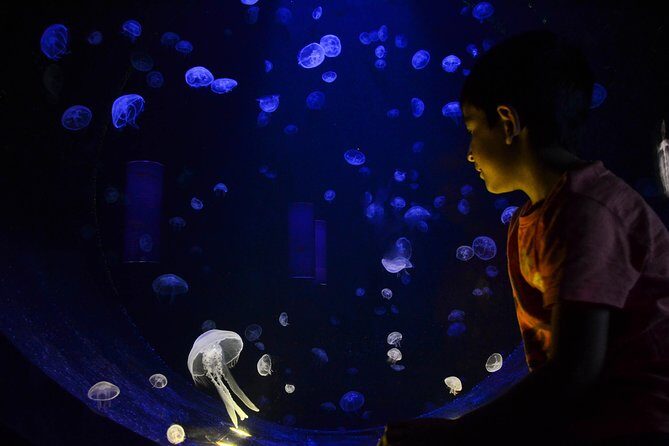
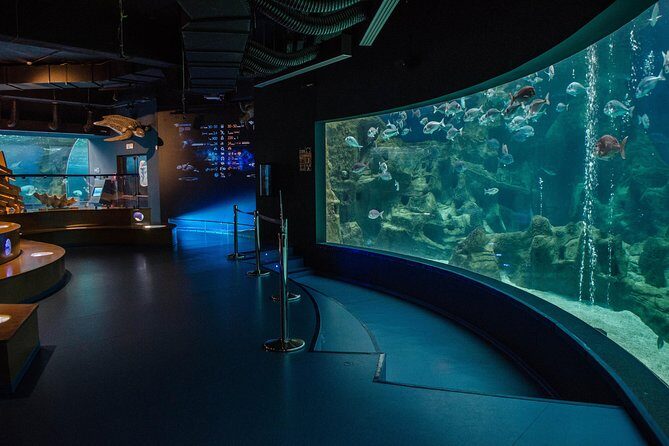
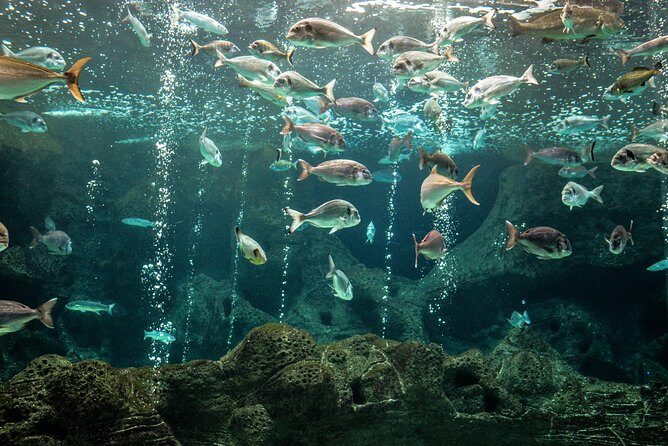
The heart of Cretaquarium is its focus on the Mediterranean Sea—species and ecosystems tied to the region, not random oceans from around the world.
Here’s what the aquarium is designed to show you:
- 60 tanks of different sizes
- About 2,000 sea animals
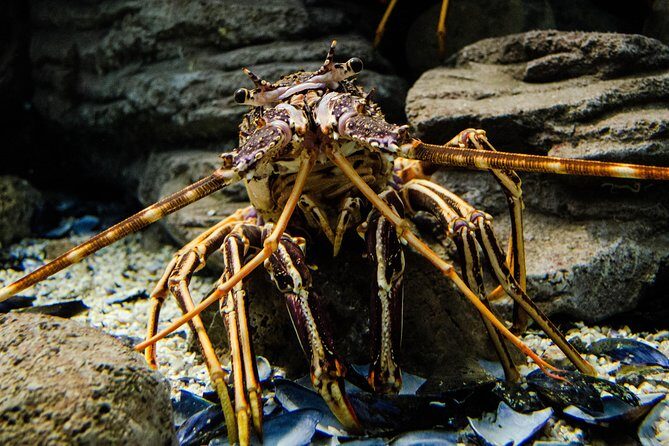
- Around 200 different species found in the Mediterranean basin
- Scenery that aims to represent Cretan and Mediterranean sea beds
That tank count is a practical detail for your planning. A lot of aquariums feel like they drag after the first hour. Here, the variety of tanks and species gives your eyes something to do continuously: different habitats, different-looking fish, and repeat viewing opportunities where you can catch details you missed on your first pass.
It’s also not just a “look at fish” situation. The center runs educational programs, treats injured animals, and continues to expand with new marine species. That matters because it gives the visit more purpose than a simple photo stop. You’re seeing the sea as an ecosystem, not as a collection of separate animals.
Stop 1: CRETAquarium Thalassokosmos (your main event)
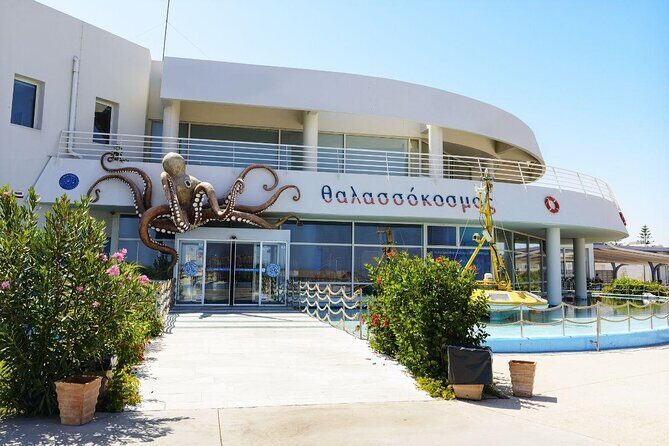
Your visit centers on one place: Cretaquarium at Thalassokosmos, Heraklion (710 03, Greece). After you enter, you’ll move through the exhibits and take breaks as needed. The experience runs on your pace, and the time you’ll spend depends on how long you linger with each tank.
What to expect as you walk through
The layout is widely praised for being well organized. That’s a big deal if you want to feel like you’re getting your money’s worth quickly. When an attraction is laid out logically, you waste less time backtracking and more time actually looking at marine life.
Also, plan for plenty of viewing time. Even if you stick to about an hour, the site offers enough stops that you can still slow down for the tanks that catch your attention. If you’re a “read every sign” person, you may stretch closer to the longer end of the listed duration range.
A special note on the focus
This aquarium is built to connect you to Mediterranean ecosystems. If you’ve been thinking about Crete as more than beaches and villages—if you want a better sense of what lives underwater around the island—this is one of the easiest ways to get that context without needing a boat.
A few more Heraklion tours and experiences worth a look

Price and value: why $9.61 can feel like a win
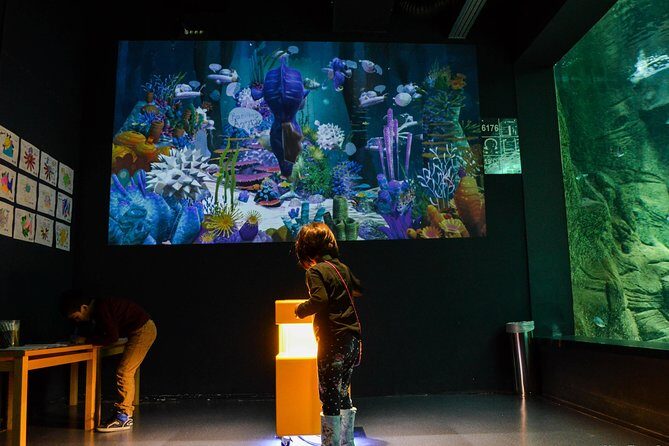
At $9.61 per person, Cretaquarium sits in the “cheap and satisfying” zone. You’re paying for:
- entrance to a site with 60 separate tank exhibits
- a meaningful theme (Mediterranean habitats and species)
- a facility that includes comforts like a cafeteria and parking
The value is in the ratio: admission cost versus how much you can actually see. This isn’t a ticket for a single small room or a short corridor. You’ll walk through multiple displays, and the site feels like it’s made for visitors to spend time, not just pass through.
Just keep your expectations realistic. One theme that comes up with this kind of aquarium is size. It can feel smaller than you imagined, which is not a flaw—it’s a factor in how long you’ll want to commit. If you’re hoping for an all-day activity, you might finish faster than you planned. If you want a solid stop that fits into a day plan, it’s a good match.
Timing your visit: opening hours that make planning easier
Cretaquarium’s hours are consistent across the listed seasons:
- 9:30 AM to 4:00 PM, Monday through Sunday
So you can plug it into almost any itinerary on Crete without major stress. If you’re juggling other activities, this schedule helps you avoid the classic issue of attractions that close early.
A practical tip: if you’re going to use the audio guide, give yourself a little extra time. The device is optional, but when you want to understand what you’re looking at, a faster, first-pass stroll won’t do as much for you.
Optional audio guide: when 3 euros is worth it
There’s an optional audio guide device available for 3 euros, paid directly. It’s in English.
This detail matters because even a well-designed aquarium can feel like “fish, fish, more fish” if you’re only reading tiny labels. With an audio guide, you get more context while you’re still standing in front of the tank—so the learning stays attached to what you’re seeing.
If you care about conservation and how ecosystems work, the audio option can turn a basic walkthrough into a more thoughtful experience. If you’re the type who enjoys museum vibes, plan on using it.
Facilities and comfort: cafeteria, parking, and sea views
The visit isn’t only about the tanks. The on-site setup is part of what makes it an easy day stop.
You can expect:
- a cafeteria for breaks
- parking
- views of the sea, which make waiting for your second wind feel nicer than it would elsewhere
These are small things, but they change the whole mood of an indoor activity. When a place has good practical comfort, you’re more likely to slow down and enjoy it rather than rush.
Getting there: meeting point and what makes entry smooth
Your meeting point is:
CRETAquarium Thalassokosmos, Heraklion 710 03, Greece
This is helpful because you’re not dealing with vague pickup points or transfers. You show up, go to the aquarium entrance, and use your voucher.
It’s also listed as near public transportation, which is useful if you’re not driving. If you are driving, the presence of parking is a relief. When it’s easy to park, you can arrive calm instead of stressed.
Reviews also point to a straightforward process: you show your voucher at the front desk, they verify it as paid, and you’re allowed in. That kind of simplicity is exactly what you want for a low-cost attraction.
Who this fits best (and who may not love it)
Cretaquarium is a strong choice for:
- families who want a kid-friendly activity without complicated logistics
- couples or solo travelers looking for an easy, indoor outing
- anyone who wants Mediterranean ecosystems in a single stop
- travelers who like self-paced sightseeing and reading as they go
You should consider whether it matches your time expectations if:
- you’re expecting a huge multi-hour mega-complex
- you want a full-day experience with lots of separate attractions beyond aquarium exhibits
One more note for families: children must be accompanied by an adult, so plan your group accordingly.
Make the most of your visit: simple on-the-ground strategy
If you want the best experience with minimal time wasted, use this approach:
- Start with the tanks that grab your attention first. If you’re already interested in a specific fish type or habitat, don’t force yourself into a “perfect order.”
- Use the audio guide for the tanks where you want more meaning, not for every single display. That keeps it from turning into a long lecture.
- Take one deliberate break at the cafeteria if you’re there for longer than an hour. You’ll come back more focused.
- If you’re photographing, give yourself a couple of quiet passes. Aquariums often reward slower viewing—small details show up after the first look.
This is the kind of attraction where you get more out of it by moving at a human pace.
Quick practical FAQ
FAQ
How much does the Cretaquarium entrance ticket cost?
The ticket price is listed as $9.61 per person.
How long should I plan to spend at Cretaquarium?
The duration is approximate and listed as 1 to 6 hours, depending on how long you stay in the exhibits.
What are Cretaquarium’s opening hours?
Cretaquarium is open daily from 9:30 AM to 4:00 PM during the listed periods, Monday through Sunday.
Is the experience available in English?
Yes, the experience is offered in English.
Is an admission ticket included?
Yes. The admission ticket is included with this experience.
Is there an audio guide?
An optional audio guide device is available for a fee of 3 euros, payable directly.
Where do I go to enter?
The listed meeting point is CRETAquarium Thalassokosmos, Heraklion 710 03, Greece.
Do children need to be with an adult?
Yes. Children must be accompanied by an adult.
Are service animals allowed?
Service animals are allowed.
What is the cancellation policy?
You can cancel for a full refund up to 24 hours in advance of the experience’s start time. If you cancel less than 24 hours before the start time, the amount paid is not refunded.
Should you book Cretaquarium in Heraklion?
If you want a straightforward, good-value way to see Mediterranean marine life on Crete, I think this ticket is an easy yes—especially if you’re happy with an indoor activity that’s usually about an hour (or a bit more if you slow down).
Book it if you:
- like practical planning and don’t want transfers or a complex schedule
- want a clear theme focused on the Mediterranean Sea
- appreciate a well organized exhibit flow and optional context from an audio guide
Skip or rethink it if you:
- need a full-day attraction with lots of separate activities beyond tanks
- dislike paying extra for audio interpretation (since the device is optional, but it can improve the experience)
For most people, this works as a smart, low-cost anchor in a Heraklion day plan—where you get to trade traffic and waiting for calm viewing and a better sense of the underwater world around Crete.