REVIEW · HERAKLION
Private Traditional Olive Grove and Dragon Fruit Farm Tour
Book on Viator →Operated by Cretan Dragon Fruit Farm · Bookable on Viator
A farm tour that feels personal from the first greeting. This family-run stop in Heraklion pairs a traditional olive grove with a dragon fruit plantation, plus a look at a snail farm, then ends with a long, sit-down tasting on a shady terrace.
What I like most: the guide’s energy (Alex, the owner) and the fact that you don’t just watch farming—you taste what’s made there, like olives, oil, honey, marmalades, and dragon fruit. I also love that it’s short and focused. You get a real local flavor of Crete without turning it into a full day of logistics. One thing to consider: dragon fruit on the farm can be more or less visually dramatic depending on timing, so if you’re hoping for blooms at peak moment, plan to ask when you book.
In This Review
- What You’ll Really Experience (Key Highlights)
- A Farm Tour Right Outside Heraklion: Olive, Snails, Dragon Fruit
- Arriving at Evangelismou 135: The Welcome and the Setting
- Walking the Olive Grove and Snail Farm: How It Feels on the Ground
- The Dragon Fruit Plantation Walk: A Farming Story With Real Payoff
- The Terrace Tasting: Why This Tour’s Value Feels So High
- Price and Time: The Real Math Behind $9.61
- Weather, Timing, and What to Expect From the Dragon Fruit Season
- Who Should Book This Tour (And Who Might Skip It)
- Should You Book This Tour?
- FAQ
- Where does the tour start?
- How long is the tour?
- Is this a private tour?
- What is the tour language?
- What will I see during the tour?
- What happens if the weather is bad?
What You’ll Really Experience (Key Highlights)
- Small-farm access with Alex and the family setup at Evangelismou 135, where you’re welcomed right at the gate
- Olive grove + snail farm + dragon fruit plantation in one tight 2-hour visit
- A long tasting moment, not a quick cookie-cutter finish, with drinks and homemade spreads
- Food that’s actually from the farm, with olive oil, olives, marmalades, honey, cheese, bread, and dragon fruit samples
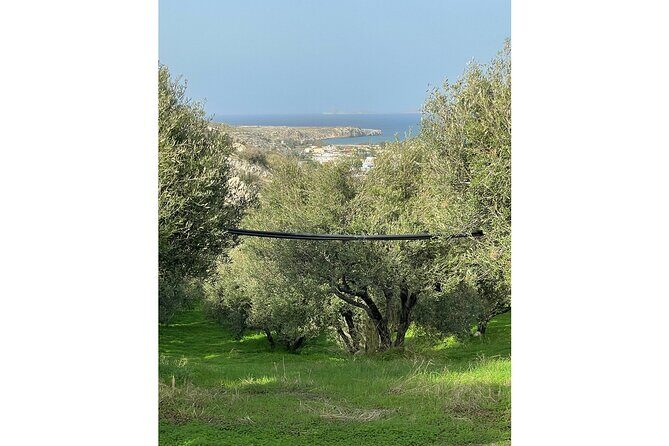
- Shade and a view over the Cretan hills, so you can slow down and linger after the walk
- No heavy selling pressure during tasting, though the products are available to buy if you want to take something home
A Farm Tour Right Outside Heraklion: Olive, Snails, Dragon Fruit
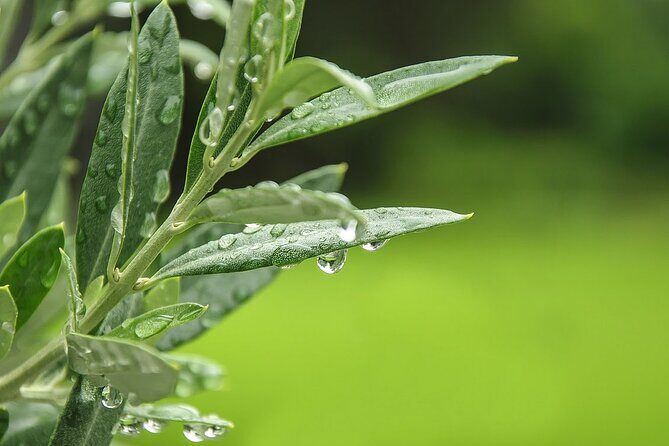
This is one of those experiences that works because it’s simple. You’re not running through a museum checklist. You’re on working ground. And it’s close enough to Heraklion that you can do it without feeling like you’ve eaten up your whole day.
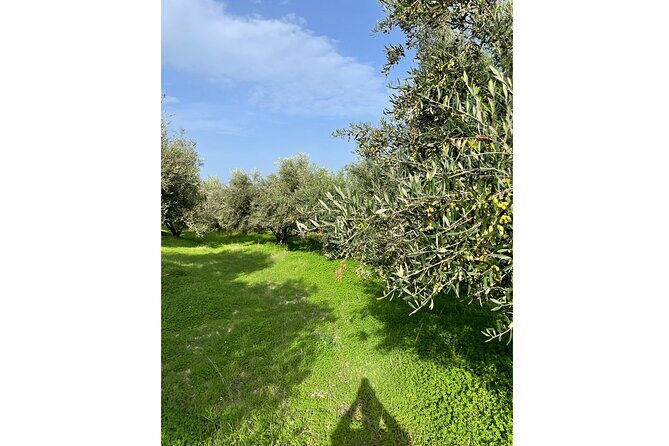
You’ll tour a traditional olive grove, you’ll get a look at a snail farm, and then you’ll move into a dragon fruit plantation. That mix matters. Olives are part of Crete’s backbone, so the olive section gives you context for how locals think about land and seasons. The snails and dragon fruit add contrast—two niche farming stories that make the whole place feel more modern and more experimental than the classic postcard idea of Crete.
And yes, you’ll end up tasting. Not just one sample and a polite goodbye. Plan on lingering.
Other private tours in Heraklion

Arriving at Evangelismou 135: The Welcome and the Setting
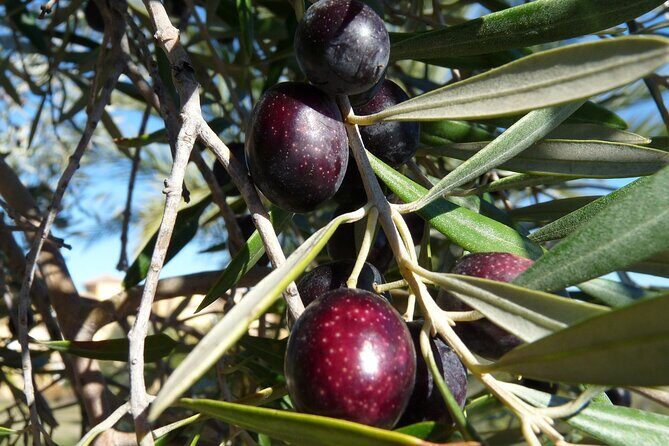
Meeting at Evangelismou 135, Prassas (715 00), Greece, the experience starts right on site at the Traditional Olive Grove and Dragon Fruit Farm. From what I saw in the way the owner runs it, the first job is comfort: greet everyone personally, get you settled, then get the tour moving.
A nice practical detail: parking is available next to the place, which means you’re not doing that stressful late-holiday hunt for a curb spot. Once inside, you’ll notice the farm’s setup for visitors—tables in the shade, chairs ready, and enough space that you don’t feel like you’re squeezed into someone else’s timeline.
That shade matters in Crete. Even if the morning or late afternoon feels pleasant, you’ll be grateful for a cool pause after the walk.
Walking the Olive Grove and Snail Farm: How It Feels on the Ground
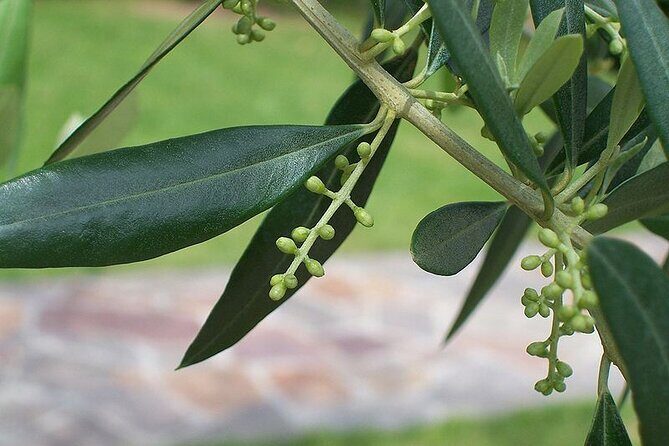
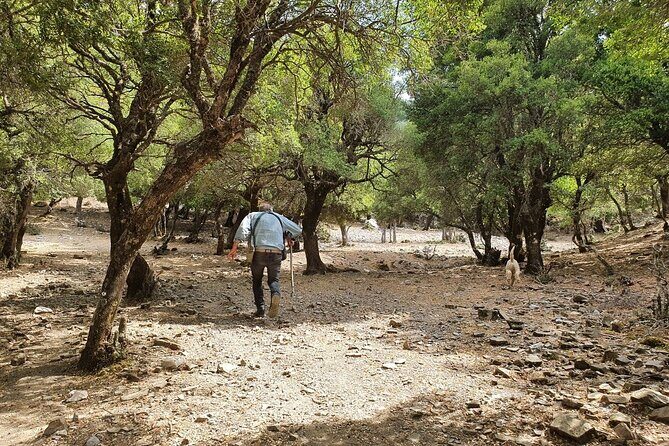
The core experience is light on rushing and heavy on explanation. You’ll spend about an hour in the farm areas where you can actually see the plants and the farming approach. The focus stays grounded: how the trees are handled, what harvesting looks like, and what “traditional” means in a place where the land still drives the schedule.
In the olive part, you’re not just admiring greenery. You’re learning how olive farming ties to everyday life—oil, olives, and the kinds of products you can turn into gifts or pantry staples. If you’ve ever bought olive oil and wondered what makes one better than another, this section helps you connect the dots.
Then you move to the snail farm. Even if snails aren’t your usual travel curiosity, it adds a valuable lesson: small farms often diversify. They look for niches that match their land, their skills, and their markets. It’s one of those sections that gives the tour extra credibility. This isn’t just a curated photo stop.
One consideration: if you prefer tours that are mostly at a distance, where you don’t get too close to farm operations, you might find the farm walking style more hands-on than you expected. Still, the overall pace is relaxed.
The Dragon Fruit Plantation Walk: A Farming Story With Real Payoff
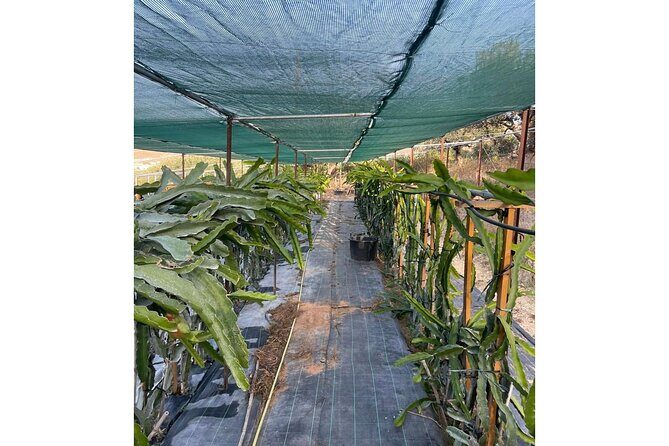
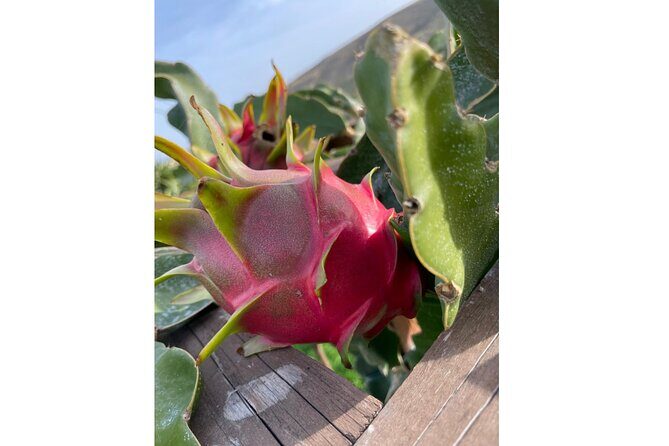
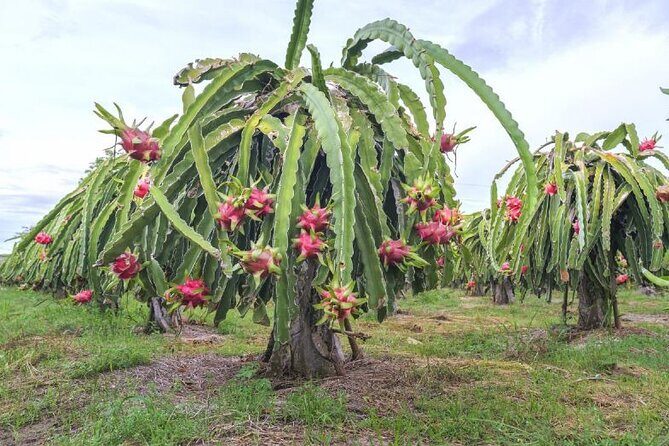
The dragon fruit part is where the tour turns from “nice” to “memorable.” Dragon fruit can sound like a novelty until you’re standing there and hearing how it’s grown where you are, not where a brochure says it belongs.
Alex (the owner) is the person driving the story. He explains how his family expanded from olive farming into dragon fruit farming, and he talks with genuine momentum about growing practices and what the plants need. That family-to-family evolution is a big part of the charm. It’s not a lecture. It’s a conversation you can follow, even if you’re not a farming expert.
Here’s the one drawback to keep in mind: dragon fruit can look very different depending on timing. If you’re hoping for a specific visual moment—blooms, fruit set, or that perfect dramatic look—seasonal timing can affect what you see. It’s worth asking when you book or right when you arrive.
If you’re traveling with kids, dragon fruit tends to land well. Toddlers and older kids alike usually love the idea of a plant that looks like it doesn’t belong in Crete. It turns the farm into an easy, real-world science lesson.
The Terrace Tasting: Why This Tour’s Value Feels So High
This is the part you’ll remember after the photos fade. After the guided walk, you head back to a table under the shade and you slow down. In the reviews, people describe it as a highlight—and I agree. The tasting isn’t a quick sample platter. It becomes a lingerable experience.
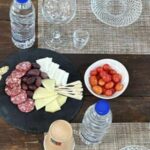
Expect a mix of drinks and homemade foods. Many visitors note iced tea and coffee or espresso waiting during setup, then a spread that often includes fresh olives, tomatoes, bread, cheese, marmalades, honey, and dragon fruit. You’ll get multiple bites, and you get enough time to actually compare flavors and ask questions.
A practical note on expectations: this tasting is part of the culture of the place, but it doesn’t feel pushy. There’s no hard-pressure sales script during sampling. If you end up buying, it’s because the products taste good—and because they’re clearly tied to the farm you just toured.
One more reason this works: the terrace comes with a view. You’re not stuck indoors. People also mention the pleasant sightlines over the Cretan hills, which makes the tasting feel like a mini escape instead of a transactional stop.
A few more Heraklion tours and experiences worth a look
Price and Time: The Real Math Behind $9.61
At about $9.61 per person for roughly 2 hours, this is one of the lower-priced farm tours around Heraklion. The obvious question is: how can it be so cheap?
Here’s what I think is going on. You’re not paying for a bus, a museum ticket maze, or a half-day of paid tour theatrics. You’re paying for access to a working farm, a guided explanation, and then a proper tasting that includes multiple items. When the tasting is that substantial—and when you’re talking about products like olive oil, olives, honey, and marmalade—it’s not just “see and taste one thing.”
Also, the fact that it’s offered in English and uses a mobile ticket keeps it easy on the admin side. The tour is described as private, meaning it’s designed for your group rather than a huge cattle-line.
So if you’re trying to balance your Greece budget with something that still feels authentic, this price point is a strong signal. You’re not buying a brand-name experience. You’re buying real farm time.
Weather, Timing, and What to Expect From the Dragon Fruit Season
This experience requires good weather. That’s not a throwaway line. Since the tour involves walking through the farm and then spending time under open-air shade on the terrace, you’ll want conditions that make the outdoor parts comfortable.
If the weather is iffy, the tour may be rescheduled or refunded. That flexibility is helpful when you’re traveling in shoulder seasons.
Timing also matters for what you see—especially for dragon fruit. Some visits may be all about learning and tasting, with less visual show than you hoped for. That doesn’t make the tour less worthwhile. But if you’re traveling specifically for visual spectacle, message the operator or ask directly what’s happening during your dates.
Who Should Book This Tour (And Who Might Skip It)
I’d book this if you want:
- A short, local experience near Heraklion
- Real food sampling with olive and honey at the center
- Something that works for families, including kids
- A farm story you can follow in simple, human terms (Alex’s style is a big part of the appeal)
I might skip it if:
- You only like tours that are heavily structured like museums
- You want a long, multi-hour deep dive far from the city
- You’re coming mainly for dramatic dragon fruit visuals at a specific growth stage (you may need the right timing)
Bottom line: it’s best as a highlight, not as your entire trip plan.
Should You Book This Tour?
Yes, I’d lean toward booking it—especially if you want an authentic farm experience without spending your day on transportation. The combination of olive grove context, a peek at snail farming, and a dragon fruit plantation story makes this feel more than a one-note stop.
It’s also the kind of tour where the price makes sense once you factor in the tasting and the quality of the conversation. If you like your travel experiences to end with something edible and memorable, this one fits.
If you have one special request—like seeing dragon fruit at its most photogenic—ask when you book or when you arrive. Then you’ll get the best of both worlds: a relaxed farm visit and a bit more control over what you’re hoping to see.
FAQ
Where does the tour start?
The tour starts at Traditional Olive Grove and Dragon Fruit Farm, Evangelismou 135, Prassas 715 00, Greece.
How long is the tour?
The tour is about 2 hours.
Is this a private tour?
Yes. It’s listed as private, with only your group participating.
What is the tour language?
The tour is offered in English.
What will I see during the tour?
You’ll see a traditional olive grove, a snail farm, and a dragon fruit plantation.
What happens if the weather is bad?
This experience requires good weather. If it’s canceled due to poor weather, you’ll be offered a different date or a full refund.