REVIEW · HERAKLION
Heraklio:Knossos Palace-Museum-Heraklio ALL IN SKIP The line
Book on GetYourGuide →Operated by PLATANOS TOURS · Bookable on GetYourGuide
Knossos can eat a whole day fast. This 10-hour combo—skip-the-line Knossos plus the Heraklion museum—turns it into a smart, well-paced loop you can actually finish. I especially like the focus on the Minoan Palace story (with guided context) and the added time in Heraklion so the day doesn’t feel like one long bus ride. One thing to plan around: the tour is bilingual (English and German), and if you’re far from the guide or audio tools, you may catch less detail.
If you want Crete’s most famous site without the wasted queue time, this format helps. You get guided time at Knossos (about 2 hours) and at the Archaeological Museum of Heraklion (about 2 hours), plus a separate chunk to wander Heraklion on your own. A possible snag: if you need nonstop English, the German/English split can feel uneven in a mixed group, so being close to the guide matters.
In This Review
- Key things to know before you go
- Knossos Palace: why this stop still feels like a headline
- Skip-the-line entry: how to use the time advantage
- Guided tour at Knossos: what your guide should help you spot
- Heraklion Archaeological Museum: the “what you’re seeing” cheat code
- Heraklion on your own: using the last hours well
- Timing and pacing: why the structure feels worth it
- Price and value: what $88 really covers
- Who this tour suits best (and who should be careful)
- Should you book this Knossos and Heraklion tour?
- FAQ
- How long is the tour?
- What does the tour include?
- Is there a skip-the-line option?
- How much time do you spend at each main stop?
- Which languages are the guide and tour provided in?
- Where do you get picked up and dropped off?
- Is the tour suitable for wheelchair users?
- Is free cancellation available?
Key things to know before you go
- Skip-the-line entry: you trade queue stress for actual exploring time
- Two museum stops: Knossos for the myth + palace layout, Heraklion Museum for artifacts
- Bilingual guidance in English and German during the day
- Good pacing: short transit times and structured breaks built in
- Hotel pickup/drop-off in several resort areas around Heraklion
Knossos Palace: why this stop still feels like a headline
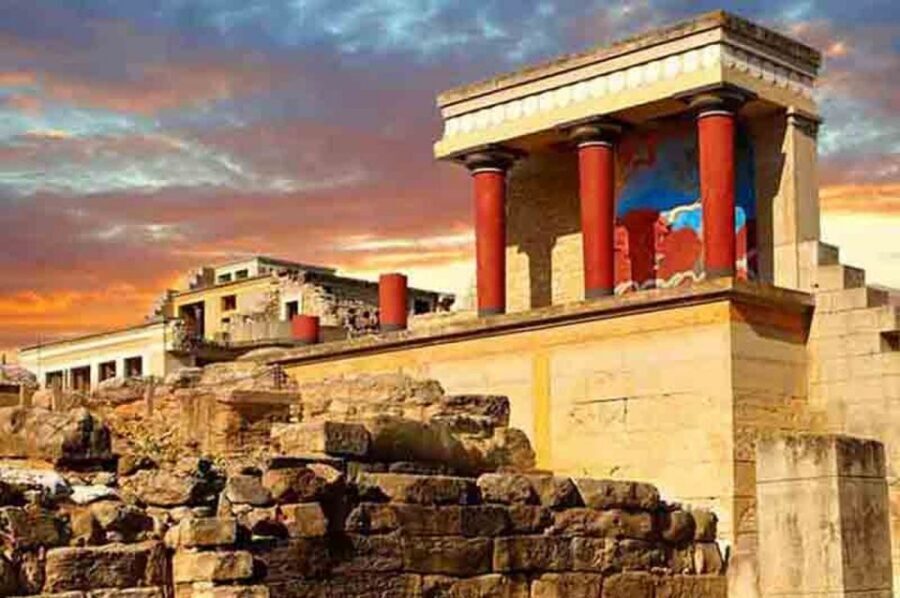
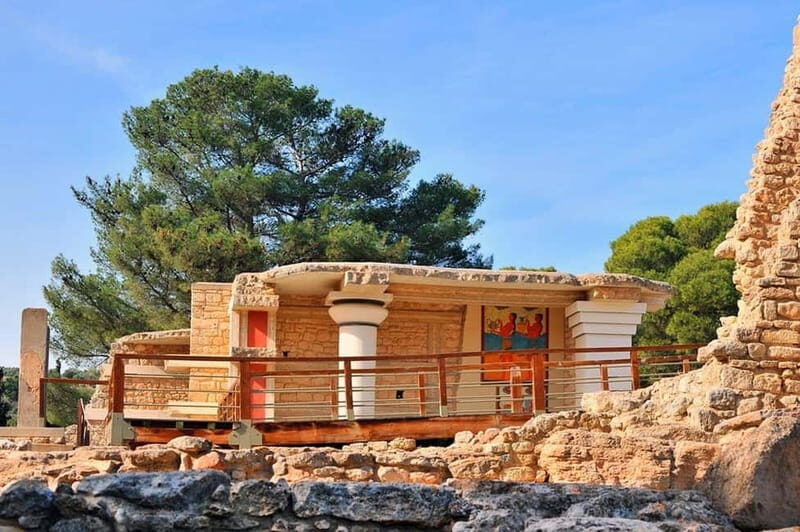
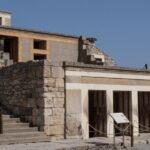
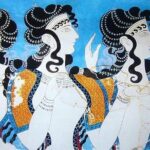
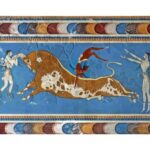
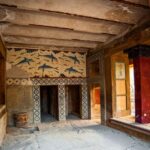
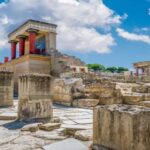
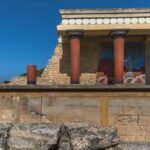
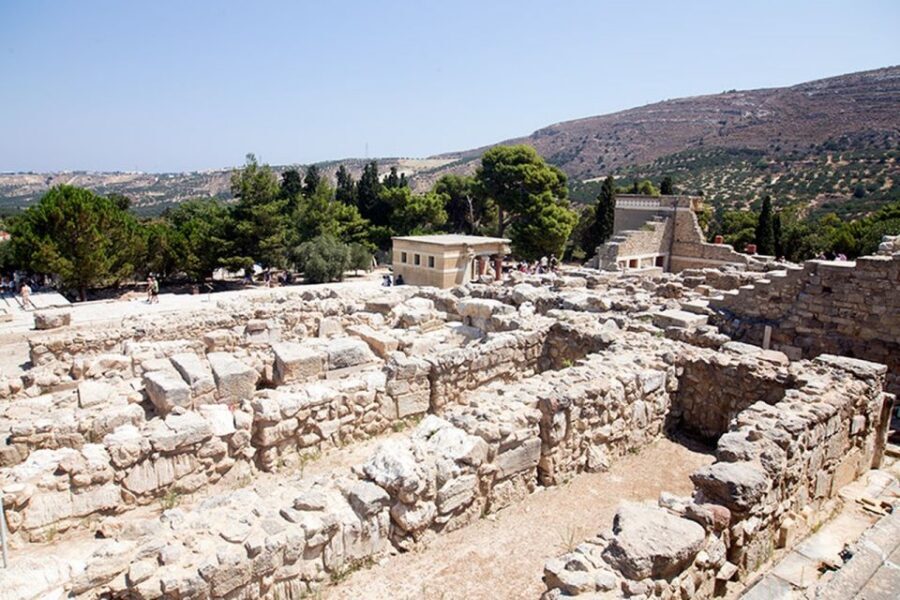
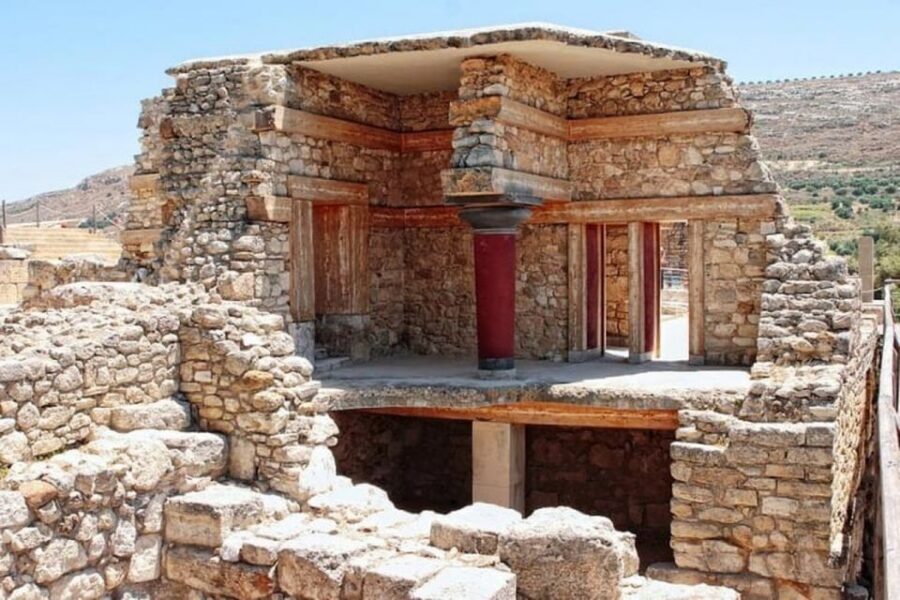
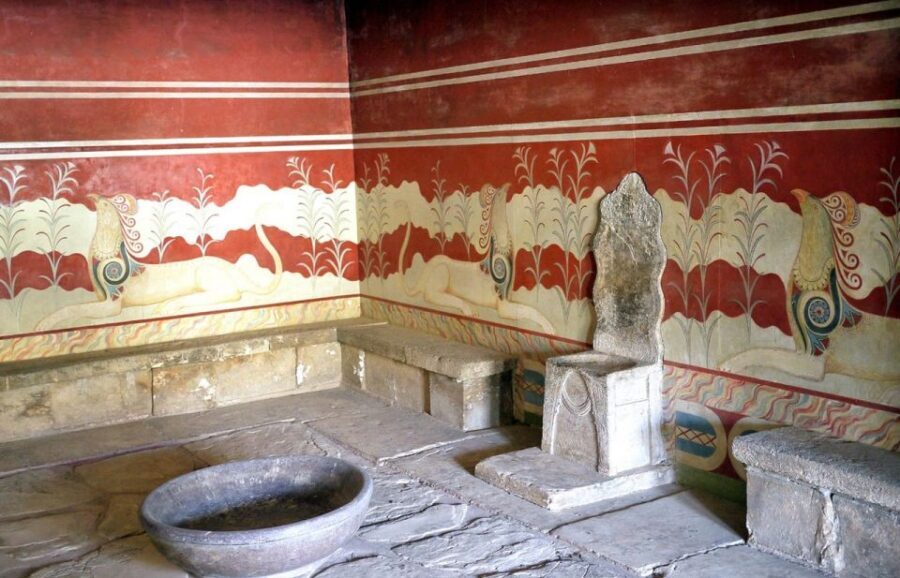
Knossos is the big name for a reason. It’s not just ruins in the sun. It’s the central stage for the Minoan civilization story—palace rooms, murals, royal areas, and those maze-like corridors tied to the Minotaur myth.
What I like about the way this kind of day trip is set up is that it doesn’t treat Knossos like a random photo stop. You’re given a guided tour and some free time so you can switch between two modes: understanding what you’re looking at, then looking with your own eyes. Even if you think you already know the Minotaur story, seeing the layout helps the legends make more sense. The palace’s scale and its practical construction details (including drainage) are part of why Knossos feels so impressive even today.
Tip for your visit: after you get your bearings on the main palace areas, use your free time to re-walk the spaces you found most confusing at first. Knossos rewards repeat glances, and you’ll “click” faster than you expect.
Other Knossos Palace tours we've reviewed in Heraklion

Skip-the-line entry: how to use the time advantage
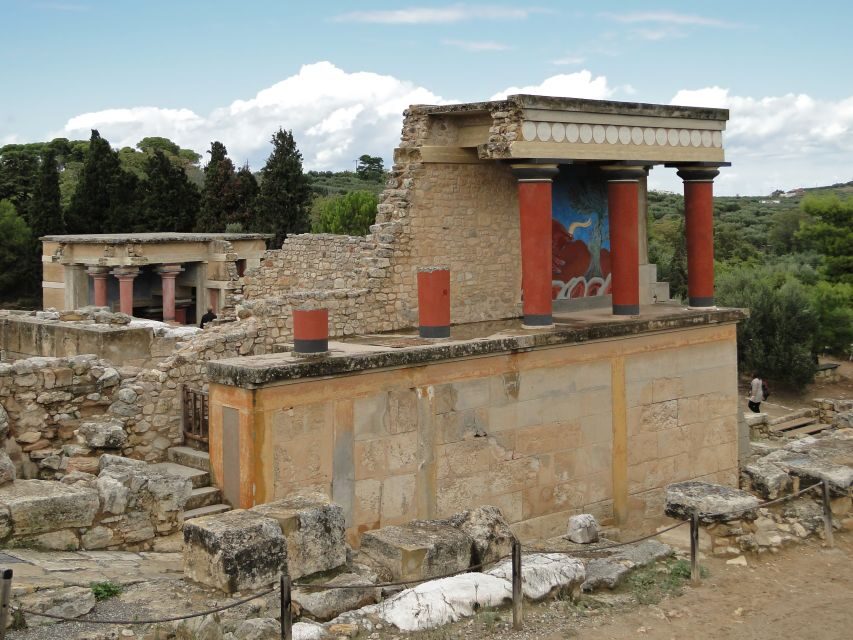
“Skip the line” sounds nice—until you realize you still need to be ready to move. Here’s what that advantage really buys you: more time where it counts, especially because the day is scheduled tightly.
You arrive at Knossos around 09:45 and leave about 11:45. That means your best strategy is to show up mentally ready. Bring sunscreen, a hat, and water. Wear shoes you can walk in across uneven archaeological surfaces. Then, when the group is moving, don’t hang back—staying near the front makes it easier to hear the guide during key explanations.
If you’re the type who likes to photograph everything, you still can. But I’d keep the first round for the story and the second round for the shots. That way your pictures end up connected to meaning, not just angles.
Guided tour at Knossos: what your guide should help you spot
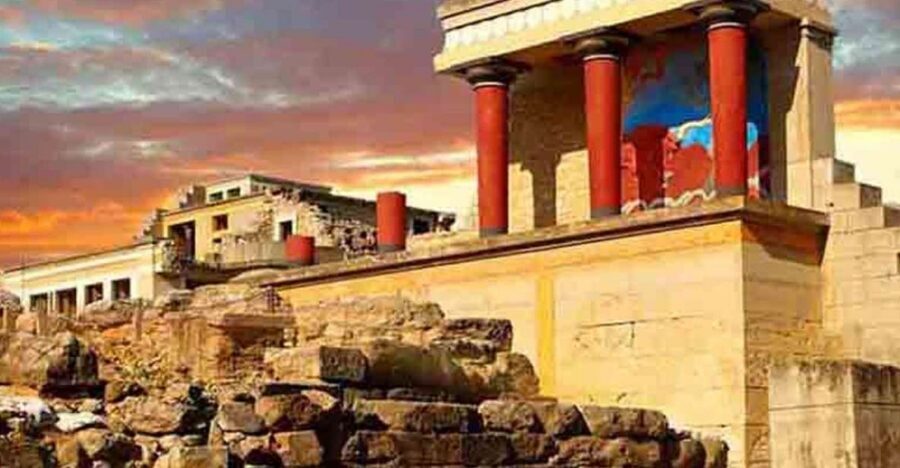
A good Knossos guide does three useful things:
- Connects space to story (who lived where, what happened in which rooms)
- Points out design tricks (why certain areas are built the way they are)
- Sorts myth from material so you can enjoy both
From the feedback I was given, guides like Roxani (when you’re lucky enough to get her) are praised for being attentive and clear about the Minoans. That matters because Knossos can be overwhelming: it’s easy to feel lost among corridors and reconstructions. A guide who’s comfortable explaining the palace layout helps you avoid the classic problem of reading nothing but your own confusion.
Also, this is a bilingual tour (English and German). If you’re following in one language, you’ll do best by staying close enough to hear. One practical issue in mixed tours: if you’re too far away, audio tools may not work well, and the guide may not pause for stragglers. So, if you want the full benefit, keep your spot.
Heraklion Archaeological Museum: the “what you’re seeing” cheat code
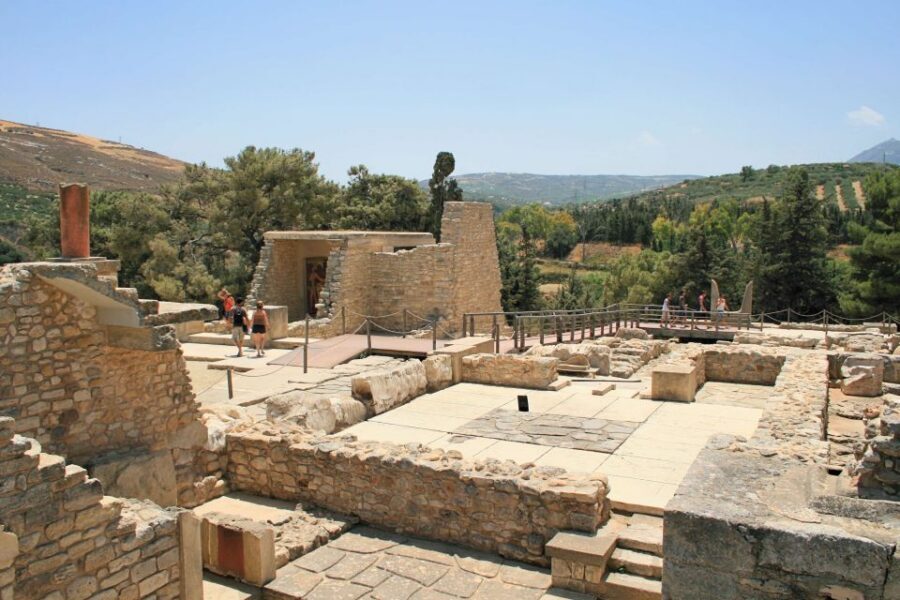
After Knossos, the tour heads to Heraklion’s Archaeological Museum. This stop is valuable because it answers the question: what happened here, beyond the palace walls?
The museum visit is guided for about 2 hours, and it’s described as newly renovated. That’s important for comfort and layout—two small things that make a big difference when you’re coming straight from outdoor heat.
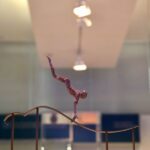
At the museum, you’re essentially getting the material evidence behind the story. Knossos is architecture and myth. The museum is artifacts and context—traditional architecture interpretations and ethnographic and historical items from ancient Cretan life. When you see objects alongside the palace story, you start to understand what the Minoans actually valued, used, and represented.
How to make the museum time pay off:
- Pick 4–6 exhibits you want most and don’t try to do everything.
- If the guide points out “look for this detail,” do it. Museum time passes quickly.
- Take short breaks if you need them—Heraklion’s museum environment is a good place to slow down.
Heraklion on your own: using the last hours well
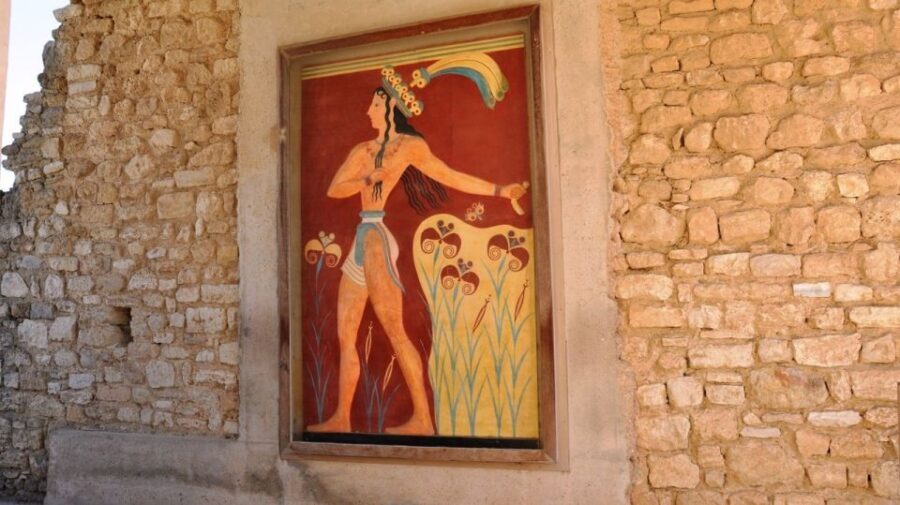
Then the tour shifts gears into city time. You arrive in Heraklion around 12:00 and depart about 16:30, with roughly 2.8 hours for Heraklion sightseeing, free time, and a walk-and-photo rhythm.
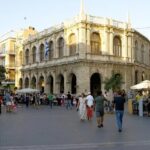
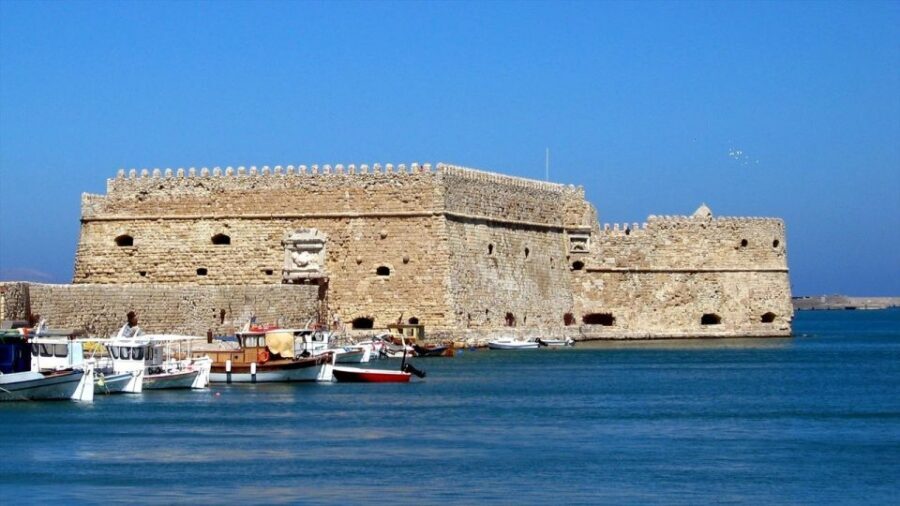
This is a smart inclusion. Most Knossos tours end right after the ruins and museum. Here, you get time to live the “modern Crete” part of your day: coffee, lunch, shopping, and medieval buildings in and around the center.
What I think you should do with your free time depends on your style:
- If you like strolling, pick one main walking loop and don’t over-plan. You can duck into shops and cafes as you go.
- If you want souvenirs, do it during this free time, not during the museum (where your attention should stay on learning).
- If you’re hungry from the morning heat, treat lunch like a priority, not an afterthought. The day is long.
Practical note: you’ll be on a schedule, so keep an eye on the clock. Heraklion is fun, and it’s easy to lose time in a good street.
Other museum experiences in Heraklion

Timing and pacing: why the structure feels worth it
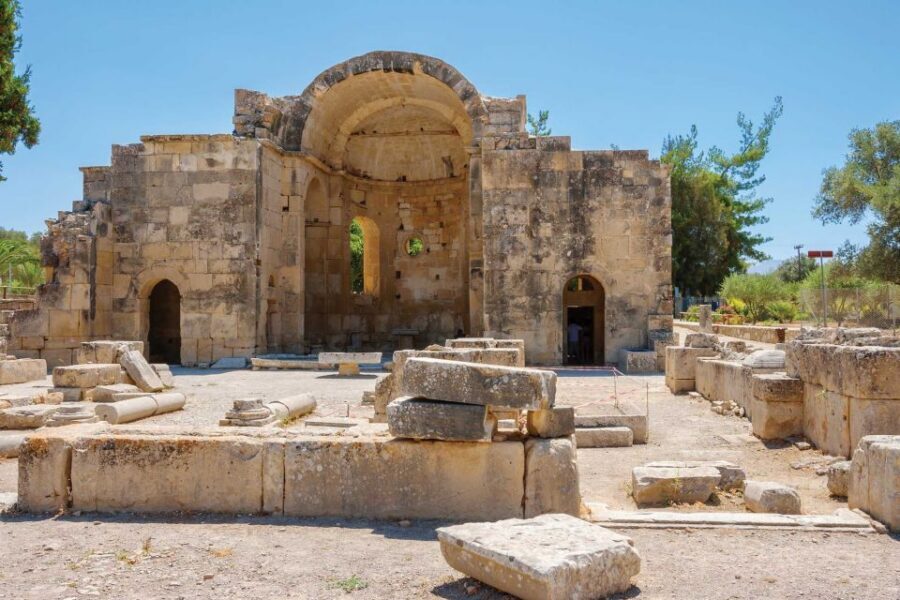
The day runs about 10 hours total. It’s built around three main blocks:
- Knossos (about 2 hours) with guided tour and free time
- Heraklion Archaeological Museum (about 2 hours) with guided tour plus time to look around
- Heraklion city time (about 2.8 hours) to explore at your pace
Between those blocks, you travel by bus/coach. There’s scheduled travel time that keeps everything connected without dragging you into overly long transfers.
What this pacing does for you is simple: it reduces the two biggest risks of independent day trips.
- You don’t have to time bus connections and tickets yourself.
- You don’t lose half your day figuring out where you should be next.
That said, you’ll still want to show up ready—good tours go smoothly, but your comfort still depends on basics like water, sun protection, and shoes.
Price and value: what $88 really covers
The price listed is $88 per person for a roughly 10-hour day with guided components and transport.
Here’s how that can make sense financially:
- You’re not just paying for the coach. You’re also getting a combined ticket for Knossos and the Archaeological Museum (listed as 20.00€ for the combined entrance), plus the guide experience and coordinated pacing.
- Your hotel pickup and drop-off are part of the deal, with service across multiple resort areas around Heraklion (including options like Malia, Stalis, Hersonisos, Anissaras, Gouves, and Heraklion-area picks).
Then there’s the “little” add-on called Whispers: 2.00€. That likely refers to an audio system to help you hear the guide better during the tour. In theory, that improves the experience—just remember: audio tools can fail if you end up too far away.
So the value isn’t only the entrance ticket. It’s the time-savings and the structure. If you’ve done Knossos independently, you know how quickly the day can go sideways without a plan.
Who this tour suits best (and who should be careful)
This works well if you want:
- a single-day Knossos and Heraklion plan that doesn’t require coordination
- guided context for the Minoans and the palace layout
- enough free time to enjoy Heraklion instead of rushing through everything
It might be less ideal if:
- you strongly prefer one language and dislike bilingual narration
- you’re sensitive to audio issues and plan to hang back (staying closer helps)
- you need wheelchair access (it’s not suitable for wheelchair users)
If you’re traveling with a baby or a small child, the tour’s format can still be a good match because guides like Roxani are noted as attentive—suggesting shade and keeping an eye on families. Even then, you’ll want to bring your own kid-comfort basics.
Should you book this Knossos and Heraklion tour?
I’d book it if you want the essentials done well in one day: Knossos + Heraklion Museum + city time, with transport and guidance that keeps the schedule moving. The skip-the-line part is the kind of small upgrade that makes a big difference at a high-demand site like Knossos.
I’d think twice if you’re the type who needs a perfectly even language split, or if you know you’ll likely drift far from the guide. If you do go, position yourself where you can hear easily and treat the morning story as your priority, then let your camera and lunch happen after you get the context.
In short: this is a practical day trip with real structure—good for first-timers and busy travelers.
FAQ
How long is the tour?
It lasts about 10 hours.
What does the tour include?
It includes entrance for Knossos and the Heraklion Archaeological Museum (combined ticket), a bilingual guided tour in English and German, bus tickets, and hotel pickup and drop-off in select areas.
Is there a skip-the-line option?
Yes, the tour includes skip the ticket line for Knossos (combined with the ticket entry).
How much time do you spend at each main stop?
You spend about 2 hours at Knossos, about 2 hours at the Heraklion Archaeological Museum, and about 2.83 hours in Heraklion.
Which languages are the guide and tour provided in?
The guide provides commentary in English and German.
Where do you get picked up and dropped off?
Pickup and drop-off are offered for several areas around Heraklion. Pickup includes options such as Malia, Stalis, Hersonisos, Anissaras, Analipsi, Gouves, Gournes, Heraklion, and Ammoudara, and drop-off options include Analipsi, Stalida, Heraklion, Agia Pelagia, Kato Gouves, Bali, Anissaras, Limenas Chersonisou, Malia, and Gournes Gouvon.
Is the tour suitable for wheelchair users?
No, it is not suitable for wheelchair users.
Is free cancellation available?
Yes. Free cancellation is available up to 24 hours in advance for a full refund.