REVIEW · HERAKLION
Knossos-Zeus Cave -Old Traditional Villages-Olive Oil Factory
Book on Viator →Operated by Explore Real Crete · Bookable on Viator
Crete tastes best when you leave the postcard trail. This day trip ties Dikteon Cave (Zeus mythology) to real-life olive oil culture through village stops and tastings, with Knossos as an optional add-on. One catch: Dikteon Cave and Knossos entries cost extra, and the Zeus cave is currently closed and should reopen at the end of April.
I like the way this runs with hotel pickup and a relaxed max of 10 people, so you can actually hear your guide and move at a human pace. You also get the practical stuff covered up front: air-conditioned rides, free Wi‑Fi onboard, and water plus coffee or tea.
Guides on this route are often locals with big personalities, and names that come up include Stavros, Ed, Mike, Spyros, and Demetrius. If you want a day that mixes stories, food, and countryside driving (not just ruins), this is built for that style of travel.
In This Review
- Key things to know before you go
- Heraklion pickup and the day’s pace
- Omalia Olive Press: old methods, modern machines, and tastings
- Mochos streets and Krasi’s platanus tree photos
- Lasithi Plateau windmills: why wind mattered in daily life
- Platanus, then mountain views: Aposelemis Dam and optional lunch
- Dikteon Cave for Zeus: what to do while it’s closed
- Knossos Archaeological Site: optional, timed, and ticketed
- Price and value: what $136.65 buys you (and what costs extra)
- Should you book this Crete day trip?
- FAQ
- How long is the Knossos–Zeus Cave and villages tour?
- Do I get pickup and drop-off?
- Is the tour in English, and how many people are in a group?
- What food and drinks are included?
- Is lunch included?
- How much are the Knossos entrance fees?
- Is Dikteon Cave admission included, and is it open?
- Where does the tour start and end?
- Can I cancel for a full refund?
Key things to know before you go
Small-group size (up to 10) makes the day feel personal, not rushed
Omalia Olive Press compares old methods and modern machinery, then adds tastings
Short village walks include time for coffee or juice and photo stops like Krasi’s famous platanus tree
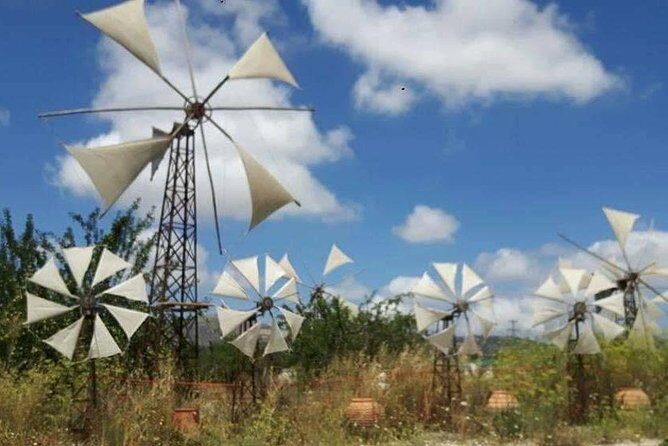
Lasithi Plateau windmills show how wind powered irrigation and grain milling
Aposelemis Dam viewpoint plus an optional mountain lunch keeps the day varied
Knossos is optional, and if you skip it you can head back earlier
Heraklion pickup and the day’s pace
This is a longish full-day excursion at about 7 hours 30 minutes, built around driving inland and breaking up the trip with several stops. You start in the Heraklion area, and the day ends back at the meeting point you started from.
Pickup is part of the value here. If you’re on the shared tour, the pickup areas include places like Heraklion, Kartero, Gouves, Analipsi, Hersonissos, Anissaras, Stalida, Malia, and Sisi. For private tours, the pickup map is broader, but the company also clearly states it doesn’t pick up from Chania.
Inside, you’ll ride in an air-conditioned vehicle with free Wi‑Fi onboard. You’ll also have simple refreshers handled—bottled water plus coffee and tea—which matters on a hot Crete day when you’re hopping in and out of the van.
One more practical point: this is a “many stops, short windows” kind of itinerary. That’s great for variety, but if you’re the type who wants a half-day at one place, you’ll have to accept that each site is more of a taste than a deep study.
Other Knossos Palace tours we've reviewed in Heraklion
Omalia Olive Press: old methods, modern machines, and tastings
The first real hands-on highlight is the Omalia Olive Press. You get a focused visit of about 35 minutes, and the plan is designed to show you how olive oil production works both with older techniques and modern machinery.
This is the kind of stop that pays off later in the day. Once you understand what presses do and why timing matters, the tastings aren’t random freebies—they make sense. You’re also not just watching behind glass: the included setup is built around you learning how the process works, then sampling the results.
The tour also includes olive oil and raki tasting. That pairing is a classic Cretan move: olive oil for the savory complexity, raki for the kick that keeps the flavor memories sticky. Since the tastings are included, you’re not stuck calculating what you need to pay later.
If you’re someone who thinks olive oil is olive oil, this stop helps you change that view quickly. Even if you only catch a few key steps of the process, you’ll still come away with a better sense of what you’re tasting.
Mochos streets and Krasi’s platanus tree photos
After the olive stop, you head toward inland village life. Mochos is one of the clear “slow down and breathe” moments, with about 30 minutes to walk the old, narrow streets and then sit for a coffee or fresh juice at the main square.
Mochos works well because it gives you two different experiences in one: a short village wander plus time to regroup. It’s also a smart break before the day turns more scenic and more driving-intensive.
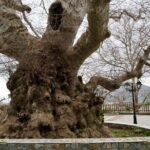
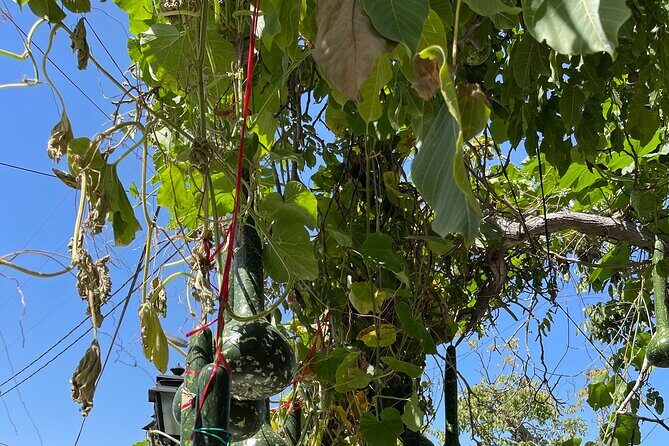
Then the tour adds another village-style stop at Krasi, with time for a walk through stone narrow streets and old houses. You’ll also get a photo moment at the oldest and biggest platanus tree in Crete, with about 30 minutes allotted for it.
These village stops are where the tour feels most like Crete beyond Heraklion. You’re not spending all your time inside ticketed sites. Instead, you’re seeing how people actually live in the places that tourists often skip because they look small on the map.
A small consideration: these are short walks. Wear comfortable shoes and assume you’ll be on uneven ground for at least part of the time.
Lasithi Plateau windmills: why wind mattered in daily life
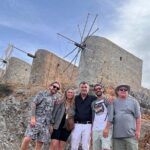
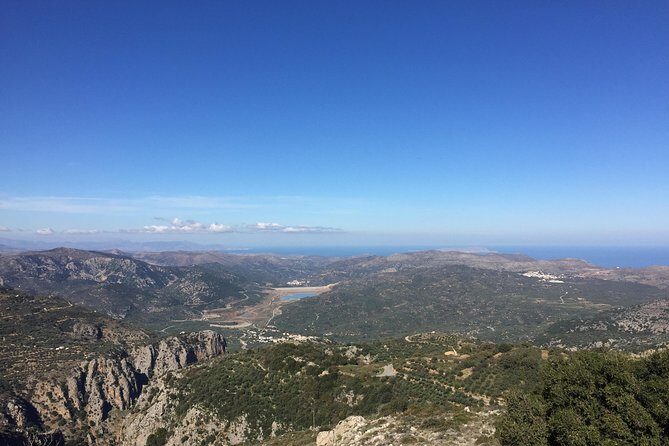
Next comes the Windmills of Lasithi Plateau, with about 30 minutes. This is a great stop for people who like the practical side of history—how everyday needs got solved with the tools available.
You’re shown the old windmills that used to pump water from underground to support crops. You’ll also see other windmills used to help grind wheat and corn into flour. It’s one of those places where a view is nice, but the real value is the “oh, that’s how it worked” explanation.
The best way to enjoy this stop is to look at it as infrastructure, not just scenery. Wind was a power source, and these windmills were a way to turn that power into food and water. That makes the countryside story feel connected instead of random.
If you’re traveling with kids, this kind of stop tends to land well because it’s visual and it’s easy to turn into mini-questions: what powered it, what did it do, and how did people rely on it.
Platanus, then mountain views: Aposelemis Dam and optional lunch
After the villages and windmills, the route keeps switching gears. There’s also a quick Aposelemis canyon stop designed for views and photos, with only about 5 minutes.
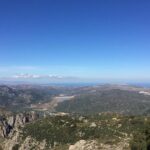
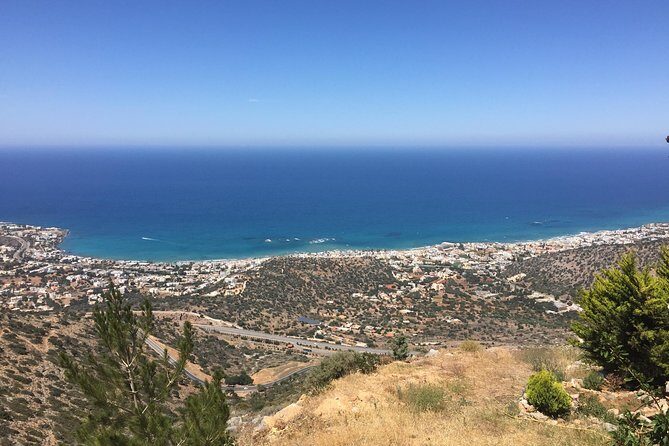
Even with the short time, it’s worth paying attention. The viewpoint is above the Aposelemis Dam, so you get that “high up and looking out” perspective that’s hard to replicate from town.
Then there’s the optional lunch. At Lasithi Mesa, you stop at a family restaurant up on the mountain for about 45 minutes, but the plan says lunch is optional and not included in the price.
This is where you should make a choice based on your own pace and hunger. If you skip lunch, you’ll still have time blocks that keep you moving. If you eat, you’re doing it in a setting that’s meant to be more than a quick pit stop—part of the point is the mountain setting and the view while you reset.
Because lunch is optional, you can also tailor costs. People who want a more casual day might skip it; people who want the full local-food experience usually enjoy taking the meal option here.
Other olive oil and culinary tours we've reviewed in Heraklion

Dikteon Cave for Zeus: what to do while it’s closed
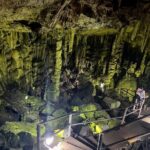
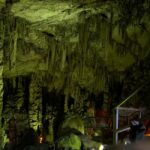
The Zeus stop is Dikteon Cave, listed as the cave where Zeus was born according to mythology, with about 1 hour of time. The key practical issue: the cave is currently closed and is expected to reopen at the end of April, based on authorities.
On top of that, the Dikteon Cave admission ticket is not included. So even if you’re there during a reopening window, you’ll want to plan for a separate ticket cost.
How to handle this without stress:
- If you’re traveling before late April, treat this as a potential disappointment rather than a guarantee.
- If you’re traveling around or after the reopening period, you still need to expect ticket costs and follow what the guide does on the day.
My advice is simple: go in with “myth bonus” energy. If the cave visit happens, great. If it doesn’t, the rest of the day still works because you’ve got olive oil culture, villages, windmills, and big viewpoints to fill the story arc.
Knossos Archaeological Site: optional, timed, and ticketed
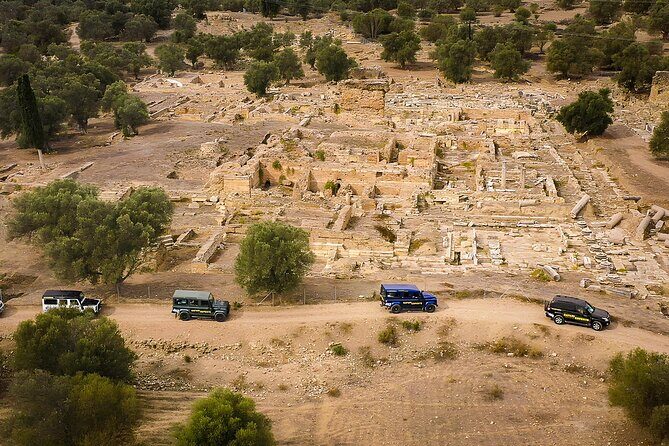
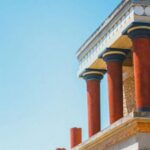
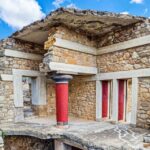
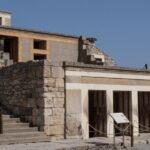
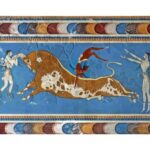
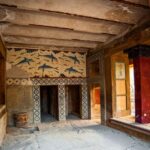
The final stop is Knossos Archaeological Site, also marked as optional. Time on site is about 1 hour, and the entrance fee for Knossos Palace is 20 euros per person (with half price for visitors up to age 25).
If you don’t want to visit Knossos, you can let the team know so they can drive you back to your hotel earlier. There’s also mention that a private guide inside Knossos could be arranged for an extra charge if you want deeper interpretation once you’re there.
Knossos deserves a little strategy. One hour is enough to get your bearings and understand what the site is famous for, but it’s not enough for a slow, detailed “read every carving” tour. If you love archaeology and want lots of context, budget for that private-guiding add-on idea. If you just want the highlights, the included visit length should feel about right.
Also, this is your last big stop of the day, so energy matters. If you’ve been skipping lunch or taking less time in earlier villages, you may find the final hour more comfortable with a plan to move at a steady pace instead of stopping for every single photograph.
Price and value: what $136.65 buys you (and what costs extra)
At $136.65 per person, this isn’t the cheapest option on the Heraklion scene—but it’s also not priced like a private driver for the day. You’re paying for a lot of practical “day-trip friction” removal.
Included in the price:
- Transport by air-conditioned vehicle with free Wi‑Fi onboard
- Pickup and drop-off from hotel/port/meeting points
- Bottled water, plus coffee and tea
- Olive oil and raki tasting
- English-speaking local driver guide
- Liability insurance
- A mobile ticket, plus group discounts are mentioned
What costs extra:
- Lunch is optional and not included
- Dikteon Cave admission ticket is not included
- Knossos Palace entrance is not included (20 euros per person)
So the real value question is this: do you want a full day where you’re not organizing anything? If yes, the included transport and tastings do a lot of the heavy lifting. If you’d rather self-drive and pick your own pace, then paying for a tour may feel unnecessary.
If you’re a budget traveler, the best way to control costs is also clear: decide early whether you want Knossos and whether you want lunch. Those are the two easiest “yes/no” items, and both are optional by design.
Should you book this Crete day trip?
Book this tour if you want a single day that mixes myth, countryside driving, and food culture without needing to plan every stop yourself. It’s especially good for people who like their history connected to daily life—olive presses, wind-powered milling, and villages where you actually take a short walk and have a drink.
Skip it only if you’re traveling on a tight schedule for tickets and long walks, or if your top goal is spending a large chunk of time inside major archaeological sites. Since Knossos and Dikteon Cave have separate ticket costs, and the cave can be closed until late April, treat those as possible wins, not guaranteed bookends to the day.
If you do book, I’d pack for a full day in changing terrain: comfortable shoes, sun protection, and a plan to enjoy short stops rather than expecting every site to be a deep-dive. You’ll likely end the day with the kind of Crete story that feels like it came from the countryside, not the cruise-ship map.
FAQ
How long is the Knossos–Zeus Cave and villages tour?
It runs for approximately 7 hours 30 minutes.
Do I get pickup and drop-off?
Yes. Pickup and drop-off are included from hotels, ports, or meeting points. Pickup is outside the reception area.
Is the tour in English, and how many people are in a group?
The tour is offered in English. It has a maximum of 10 travelers.
What food and drinks are included?
You get bottled water plus coffees and teas. The tour also includes olive oil and raki tasting.
Is lunch included?
Lunch is optional at a family restaurant up on the mountain, and it is not included in the tour price.
How much are the Knossos entrance fees?
Knossos Palace entrance is 20 euros per person, with half price for visitors up to age 25.
Is Dikteon Cave admission included, and is it open?
Dikteon Cave admission is not included. The cave is currently closed and is expected to reopen at the end of April, according to the authorities.
Where does the tour start and end?
It starts in the Heraklion area and ends back at the meeting point.
Can I cancel for a full refund?
Yes. You can cancel up to 24 hours in advance for a full refund, and changes within 24 hours of the start time aren’t accepted.