REVIEW · HERAKLION
Knossos Palace and Plateau of Lassithi from Heraklion Region
Book on Viator →Operated by Status MLB Travel Agency · Bookable on Viator
A day trip that strings together Crete’s big stories. You’ll see Knossos Palace, wander the Lassithi Plateau, and visit the Kera Kardiotissa Monastery—without renting a car. I like that this is a structured full-day loop with a certified guide, so you’re not just hopping between stops with random facts.
Two things I really liked: you get expert context at Knossos Palace (where myth and archaeology sit side by side), and the Lassithi Plateau delivers real mountain scenery plus its working irrigation history. The main drawback to plan for is the group-transport reality: hotel pickup can be long, and you may spend a good chunk of the day riding before you reach the first sights.
In This Review
- Key things to know before you go
- Knossos Palace: myth, kings, and a Bronze Age maze in one stop
- Lassithi Plateau wind-pumps: the mountain view you actually understand
- Kera Kardiotissa Monastery: stone, frescoes, and the Nativity of Mary
- Dikteon Cave: a walking stop where good shoes matter
- Hotel pickup and coach timing: the part of the day you can’t ignore
- Food and the Cretan tavern finish: when the day slows down
- Price and value: what $57 buys in the real world
- Who should book this day trip from Heraklion
- Should you book this Knossos and Lassithi day trip?
- FAQ
- How long is the Knossos and Lassithi tour?
- What’s included, and what tickets cost extra?
- Is hotel pickup included from Heraklion-area hotels?
- Do I get free entry to any of the attractions?
- What languages are available on the tour?
- What if weather is bad or the minimum number of travelers isn’t met?
- Is free cancellation available?
- Final call: book or not
Key things to know before you go
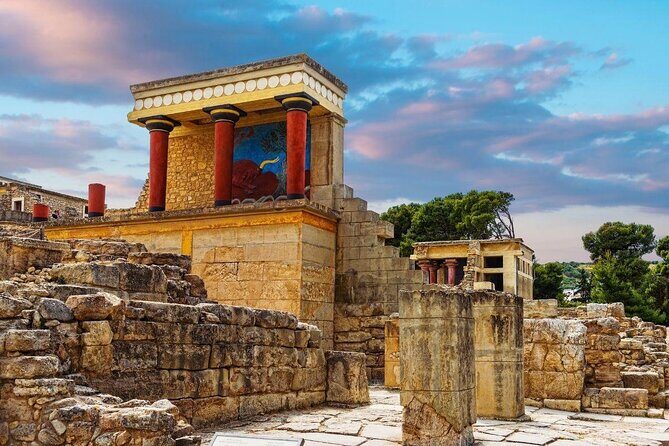
- Knossos Palace is the island’s largest Bronze Age site, famous for the Minotaur myths and the palace’s layered architecture
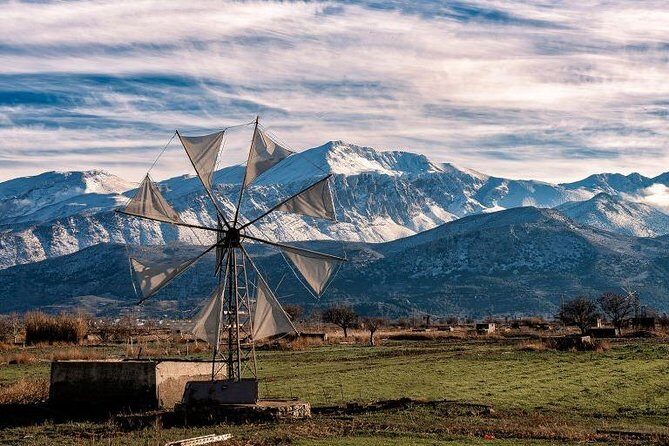
- Lassithi Plateau sits about 840 m high and is known for white-sailed wind-pumps used for irrigation since the early 20th century
- Kera Kardiotissa Monastery has a church dedicated to the Nativity of Mary and older 14th-century frescoes (damaged by time)
- Certified guide + air-conditioned coach means less hassle than driving, especially if you’re staying in the Heraklion-area hotels
- You should bring shoes for cave walking and expect a cave visit that calls for steady footing
- Group size up to 150 keeps it lively, but that also means some waiting and pacing are part of the experience
Knossos Palace: myth, kings, and a Bronze Age maze in one stop
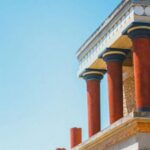
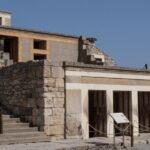
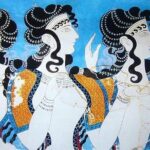
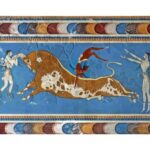
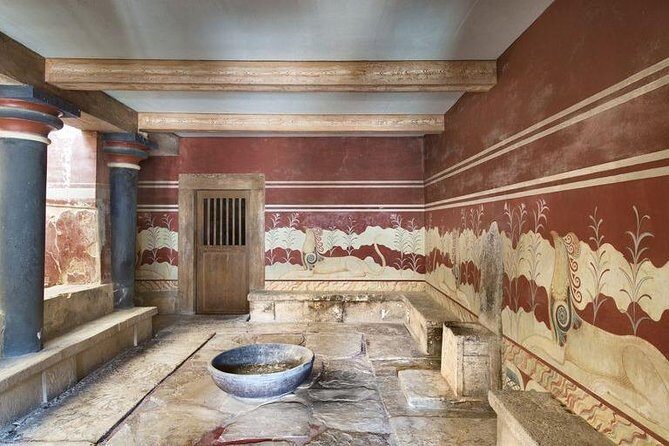
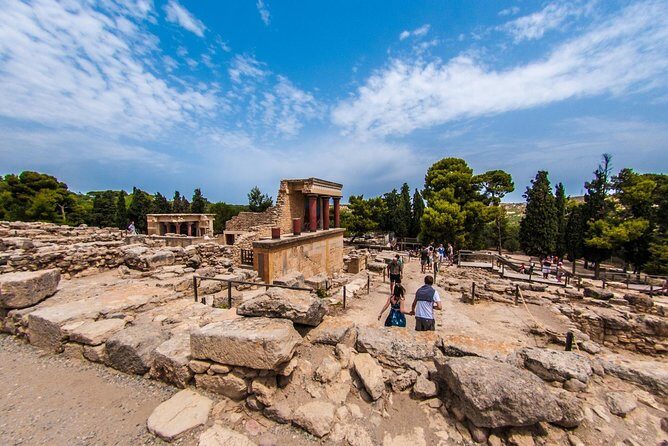
Knossos is Crete’s headline act for a reason. It’s the largest Bronze Age archaeological site on the island and has long been linked with the legend of the Minotaur—so even before you get deep into explanations, the place has a built-in story engine. What I appreciate about going with a guide is that the site stops feeling like a set of ruins and starts making sense as a designed complex: rooms, corridors, and a palace plan that reflects how power and daily life overlapped.
You’re looking at about one hour on site, and you’ll want to use it well. Move at a steady pace, but don’t try to see everything with your eyes alone—let the guide’s points help you choose what to focus on. Also note that the Knossos ticket is not included. The good news is there’s a free-admission rule for younger visitors: up to age 25. If that applies to you, double-check your eligibility before you arrive.
Timing matters here. If you’re arriving with limited attention span from earlier pickups, you’ll enjoy Knossos more if you mentally switch gears the moment you step in. Think of it as a guided story walk, not a museum marathon.
Other Knossos Palace tours we've reviewed in Heraklion
Lassithi Plateau wind-pumps: the mountain view you actually understand
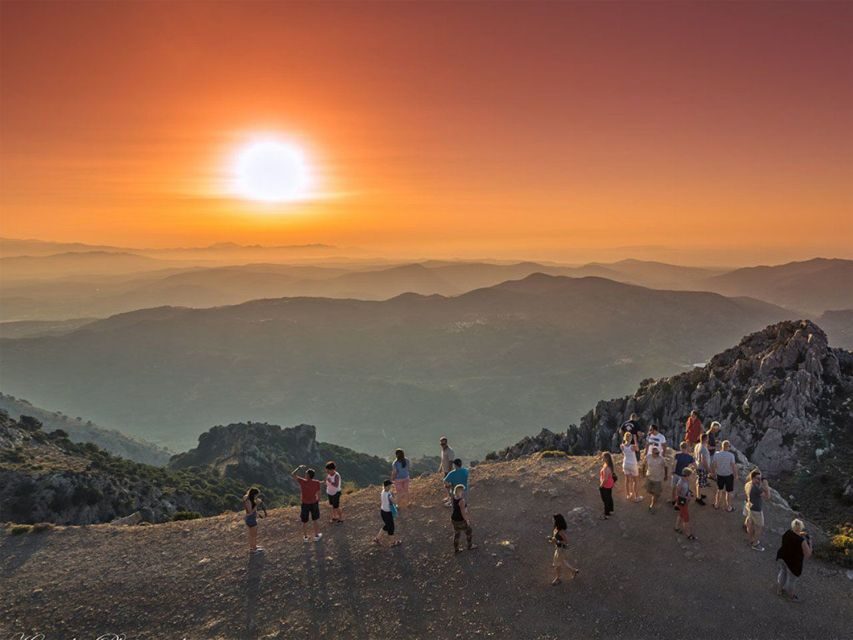
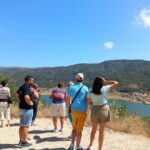
The Lassithi Plateau is the kind of place that makes you look up—not once, but repeatedly. It’s about 70 km east of Heraklion and sits at an average altitude of 840 m, with roughly 11 km east-west and 6 km north-south. In practical terms, this is why the air feels cooler and why you get sweeping mountain views as you travel up.
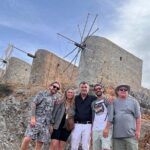
The real star, though, isn’t just the scenery. The plateau is known for its white-sailed wind-pumps—more accurately wind-pumps—built in a local design and used for irrigation since the early 20th century. That detail is worth paying attention to because it turns the image from postcard scenery into a working system that shaped how people farmed high up in the mountains.
On this tour, you’ll spend about 30 minutes there. That’s short, so don’t try to do everything. Use those 30 minutes for two things: get your bearings with the viewpoint, and then watch what catches your eye about the wind-pumps’ shape and layout. Even in a brief visit, you’ll come away with an understanding of why they became such an iconic part of Lassithi.
And yes, this is a panoramic plain set high in the mountains—so dress for changing temperatures. If you run warm in the coach, you might need a light layer when you’re standing outside.
Kera Kardiotissa Monastery: stone, frescoes, and the Nativity of Mary
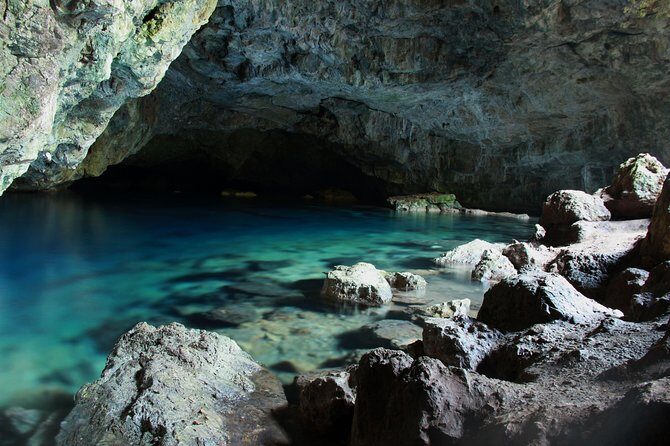
Kera Kardiotissa Monastery sits in a wooded area near the North Dikti Range, roughly 50 km southeast of Heraklion, close to the road leading toward the Lassithi Plateau. It’s the kind of stop where the setting does half the work: the stone church and the calm route through the trees make it feel like a pause rather than another checkbox.
The monastery’s church is dedicated to the Nativity of Mary, celebrated on September 8. If your trip lands near that time, you might feel the seasonal meaning of the place more strongly, but even outside holidays, the architecture tells a layered story. The present church was built in four phases. It started as a single-aisled temple, then expanded with additional rooms and a smaller chapel. That history of growth is what I find most satisfying here—this is not a single-era monument; it’s a living structure that changed as needs changed.
There are also older frescoes, including 14th-century paintings that have been damaged by time. You may not be able to see every detail clearly, depending on preservation and lighting, but the main takeaway is that you’re seeing evidence of devotion across centuries, not just a pretty building.
Entry is not included on this tour. The monastery entrance cost is listed as 2 euro for adults, with free admission for visitors up to age 18. So if you’re traveling with young teens, this can be a nice cost saver.
Dikteon Cave: a walking stop where good shoes matter
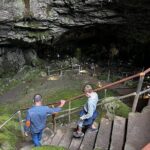
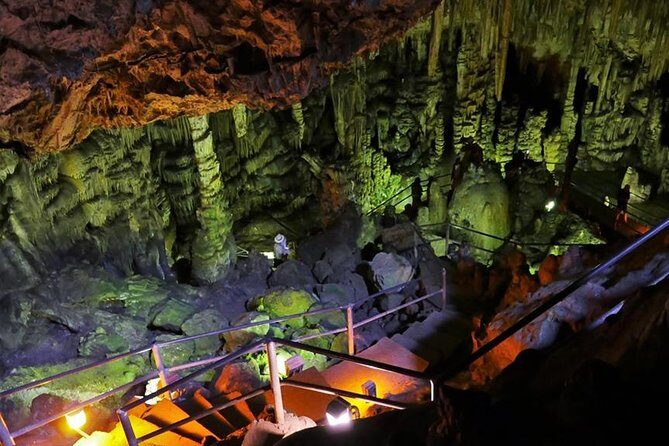
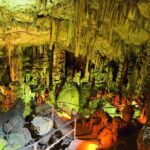
Dikteon Cave is where your day shifts from palace corridors and mountain views to something more physical: a cave visit. Unfortunately, the specifics of the cave experience aren’t spelled out in detail here, so you should plan in a practical way. Caves usually mean uneven surfaces and steps, and you’ll be happier if you treat it like a walking stop, not a quick photo break.
In particular, I strongly suggest proper footwear. One issue that can show up on these kinds of tours is people wearing soft slippers thinking it will be fine, then realizing they need traction. If you’re the type who usually walks around on sketchers or flat flip-flops, switch to closed-toe shoes for this day.
Time-wise, this part of the itinerary is built into the overall 8–9 hour loop, and the day’s pacing is set by group transport. So keep your expectations realistic: you’re not signing up for a long guided underground exploration, but you are getting a classic Crete stop that adds variety to the day.
Hotel pickup and coach timing: the part of the day you can’t ignore
This tour is built around pickup from your hotel at a specific bus stop outside the hotel. That’s a genuine convenience, especially if you’re staying in the busy Heraklion-area strip of resorts. The catch is that group pickup has its own rhythms.
Pickup coverage is broad across the Heraklion region, including areas such as Amudara, Heraklion, Karteros, Amnissos, Kokkini Hani, Gouves, Hersonissos, Stalida, Malia, Sissi, and more (the tour also lists additional zones like Sises, Fodele, Agia Pelagia, and Gazi). Because the bus has to collect multiple hotels, expect that your day may start earlier than you’d like, and the drive to the first stop can take time.
A theme I’d prepare for: you might spend a lot of the early day on the road. Some schedules can involve a couple of hours of picking up guests and moving around the route before you’re at the first major sight. If you hate waiting, bring snacks and water in your day bag, and plan on using that time for podcasts, rest, or just sitting with the fact that the coach is doing its job.
Also, don’t count on onboard comforts that weren’t promised. Wi‑Fi isn’t listed as included, so assume you won’t have it. This helps you avoid disappointment and makes the ride feel shorter.
Finally, the tour runs up to 150 travelers, which typically means bigger-group pacing. It’s not a private day, so it’s smart to keep your expectations aligned: you’re getting a well-known circuit at a fair price, with the usual group-transport tradeoffs.
Other Lasithi Plateau tours we've reviewed in Heraklion
Food and the Cretan tavern finish: when the day slows down
The tour overview says your day ends with dining in an authentic Cretan tavern. This is a good moment to look forward to, because it’s often where the whole day clicks into place: you’ve seen palace ruins, mountain farming history, and monastery stonework, and now you get to eat like Crete does.
Because the inclusions list doesn’t spell out meal cost, treat the tavern meal as part of the program rather than assuming it’s fully covered. When you book, read the exact details provided to you, especially if you have dietary needs.
What I like about ending with food is that it turns your day from sightseeing into a full experience. Even if you’re tired from the coach ride, a real meal is the kind of thing that helps you remember the day beyond the photos.
Price and value: what $57 buys in the real world
At $57.32 per person, this isn’t priced like an indulgent private tour. It’s more like a smart way to see several major Crete highlights in a single day. The value comes from the combination of air-conditioned coach, certified tour guide, and hotel pickup—three things that usually cost you time and energy if you DIY it.
The main reason the price can look so reasonable is also the main reason you should watch the fine print: key entrances are not included. Knossos palace requires a ticket (with free entry for those up to age 25), and Kera Kardiotissa Monastery has an entrance fee (2 euro for those over 18). Those costs vary based on age, but they matter when you’re figuring out the true total.
So here’s my practical way to think about it: if you’re paying for transport and trying to coordinate multiple locations yourself, you’d spend money on a car or multiple buses—and you’d still lose time. This tour trades some comfort and time on the road for predictability and guidance at the biggest stops.
If you’re the type who loves structure, this format is a win. If you hate waiting, it’s not the best fit.
Who should book this day trip from Heraklion
Book it if you want:
- A single-day circuit that hits Knossos plus the mountain areas of eastern Crete
- A guide-led experience where history and architecture explanations improve what you see
- A way to visit Lassithi Plateau and Kera Kardiotissa without renting a car
Consider skipping or switching tours if:
- You dislike long coach pickup routes and can’t handle waiting
- You’re aiming for a slow, unhurried day where you control every minute
- You’re expecting modern bus comforts like Wi‑Fi (it’s not promised)
This tour also calls for moderate physical fitness, which fits the typical walking you’ll do at archaeological sites and in a cave.
Language coverage is included by day: English, German, and French run most days, and Russian is added on Tuesdays. If that’s important to you, plan around your travel date.
Should you book this Knossos and Lassithi day trip?
Yes, I’d book it if your goal is to see Crete’s biggest cultural highlights in one long day with pickup included and a certified guide. The Knossos and Lassithi pairing is a strong combo: palace myth-and-history up top, then mountain irrigation culture in the clouds.
I’d hold off if you’re very sensitive to time on coaches or if you’re hoping for a private pace. The value is real, but the trade is predictable: long pickup and group timing.
If you do book, come prepared for the cave with sturdy shoes, pack water and a light snack for the ride, and use your short windows at each stop like a pro—arrive ready to look, then listen to what the guide points out. That’s the fastest way to turn a busy itinerary into a satisfying Crete day.
FAQ
How long is the Knossos and Lassithi tour?
The tour runs about 8 to 9 hours.
What’s included, and what tickets cost extra?
Included are hotel pickup, transfer by air-conditioned bus, and a certified tour guide. Not included are the Knossos Palace entrance ticket and the Kera Kardiotissa Monastery entrance fee.
Is hotel pickup included from Heraklion-area hotels?
Yes. Pickup is offered from specific bus stops outside hotels in listed areas around Heraklion. You’ll be contacted after booking to arrange the pickup details.
Do I get free entry to any of the attractions?
Knossos Palace has free admission for visitors up to age 25. Kera Kardiotissa Monastery has free admission for visitors up to age 18, and a listed fee of 2 euro for others.
What languages are available on the tour?
Most days include English, German, and French. Russian is added on Tuesdays.
What if weather is bad or the minimum number of travelers isn’t met?
The experience requires good weather, and if it’s canceled due to poor weather you’ll be offered another date or a full refund. If the minimum number of travelers isn’t met, it may also be changed or refunded.
Is free cancellation available?
Yes. You can cancel up to 24 hours in advance for a full refund.
Final call: book or not
If you want a guided, coach-based day that links Knossos, Lassithi Plateau, Kera Kardiotissa, and Dikteon Cave, this is a solid value choice from Heraklion—especially if you’ll use the guide time well. Just go in expecting pickup time and group pacing, and you’ll get far more out of the sights.