REVIEW · HERAKLION
Small Group Tour to Knossos Palace Lasithi Plateau & Olive Mill
Book on Viator →Operated by Tours in Heraklion · Bookable on Viator
A day that connects Knossos with mountain village life. This small group tour strings together Crete’s big-name ancient site and the quieter Lasithi Plateau culture—olive oil, old stone windmills, village coffee, and farm-fresh food stops. I like how the day feels hands-on, especially at the olive press where you taste different olive oils, and I like the warm, personal guiding style from drivers like Spyros and Nicholas.
One thing to plan for: Knossos Palace tickets are not included (add €20 per person), so budget a little extra before you arrive.
In This Review
- Key things I’d clock before you go
- Knossos and Lasithi in one day: what you’re really buying
- Pickup, timing, and group size (aka how the day feels in real life)
- Omalia Olive Press: olive oil tasting that actually teaches
- Platanus Tree and the old windmills: small stops, strong local meaning
- Kaffeneio coffee plus Cretan raki: the taste-break that resets you
- Marmaketo strawberries and Tzermiado yogurt: farm to taste in minutes
- Ano Kera food stop: where the day finally tastes like a full meal
- Knossos Palace: worth it, but budget time and the €20 ticket
- Price and value: $133.81 adds up when you count the extras
- Who this tour fits best (and who should choose differently)
- Should you book this Knossos and Lasithi day trip?
- FAQ
- How long is the Knossos Palace, Lasithi Plateau, and olive mill tour?
- What’s included in the price?
- Are Knossos Palace tickets included?
- How many people are in the group?
- Do I get pickup from my accommodation?
- What food and drink do you have during the day?
- Is a mobile ticket used?
- What happens if the weather is bad?
Key things I’d clock before you go
- Max 12 people keeps the day feeling relaxed instead of rushed
- Olive oil stop in Malia includes tasting extra olive oils from a 4th-generation mill
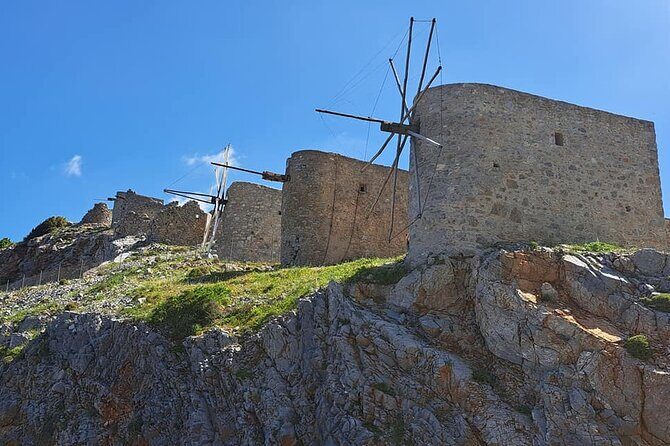
- Lasithi windmills: you’ll see the 26 stone mills tied to local life and operated until WWII ended
- Real food rhythm: Greek coffee plus Cretan raki, strawberries from a garden, and Cretan yogurt with honey
- Hotel/port pickup is included for Heraklion, Hersonissos, and Malia areas
Knossos and Lasithi in one day: what you’re really buying
This is a classic Crete combo day: ancient palace power in the morning-or-late-morning, then a whole lot of mountain Crete that feels more everyday. The tour runs about 7 hours, and the small-group size (up to 12 people) matters. With a group this size, you can actually ask questions, take photos without a constant bottleneck, and get a guide’s attention when something catches your eye.
The pace is also built around variety rather than deep single-topic sightseeing. You’ll do several focused stops—each one short enough to keep moving, long enough to learn something and taste something. That’s great if you want to sample a lot of Crete in one day without needing a car or mapping out drives. It’s less great if you’re the type who wants to linger for hours in one place. This tour is “good tour day energy,” not “slow wandering all day.”
Another practical plus: pickup and drop-off are included. If you’re staying in the Heraklion, Hersonissos, or Malia region, you’re covered, including cruise-ship ports. That takes a chunk of stress off your planning.
And yes, you’ll also spend time at Knossos. The visit is about 1 hour, and it’s the kind of time that works best if you’re curious, okay with moving, and willing to come away with a mental picture rather than a textbook.
Other Knossos Palace tours we've reviewed in Heraklion
Pickup, timing, and group size (aka how the day feels in real life)
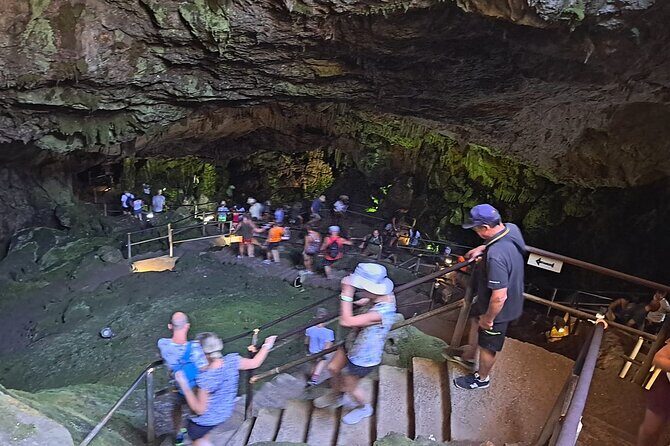
The whole experience is designed to run smoothly from the moment you meet your driver. You get hotel/port/airport pickup (within the Heraklion / Hersonissos / Malia areas) and then you’re returned at the end of the day. The vehicle is air-conditioned, and the day includes bottled water plus coffee or refreshments, which is a small thing that feels big when you’re out in Crete heat.
Your group stays under 12 people, and that affects everything: less waiting for everyone to board, less crowding at stops, and more room to hear what your driver-guide is saying.
Two schedule notes to keep you sane:
- Some stops are around 30 minutes, so don’t expect long museum-style time. Think “see, learn, taste, move on.”
- There’s at least one “pass by without stopping” moment, so the goal is to keep the driving flow. If you’re hoping to hop out at every scenic point, this day might feel too structured.
For best results, dress for changing conditions. The plateau area can feel cooler or more windy than the coast, and you’ll likely be outdoors at multiple stops.
Omalia Olive Press: olive oil tasting that actually teaches
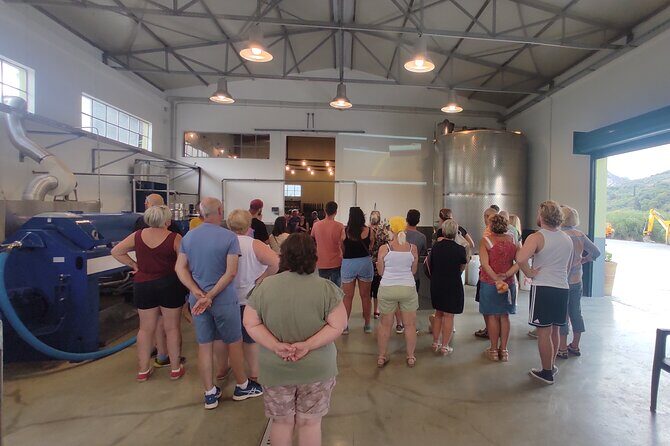
Your first stop is at an olive oil mill in Malia town—a 4th generation operation. This is the kind of stop I love because it’s not just photo time. You learn how olive oil making works and then you get to taste different extra olive oils from their production.
This matters because Crete’s olive oil isn’t just a souvenir. It’s part of daily life—how people cook, how they eat bread and dips, and how they talk about quality. The tasting helps you connect the dots between what you smell and what you’ll later see on tables and menus around the island.
What to do to make this stop worth your while:
- Come with an open mind. Olive oil can taste different from batch to batch, and you’ll likely notice mild to more peppery flavors during tasting.
- If you care about food, ask how they talk about quality—because the guide will usually translate the production into real-life terms.
Also, this stop has free admission, so you’re not getting hit with yet another ticket before you even settle into the day.
Platanus Tree and the old windmills: small stops, strong local meaning
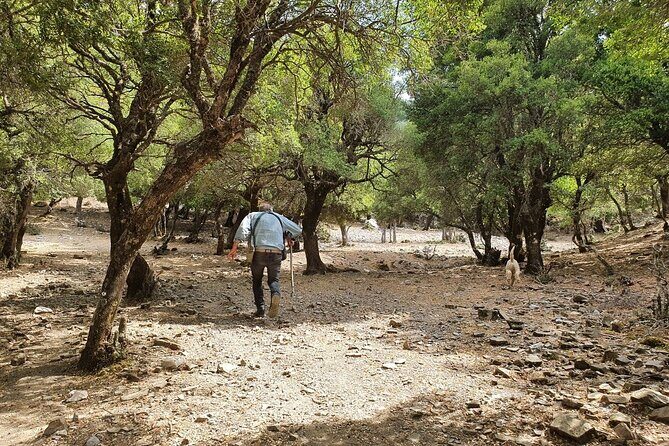
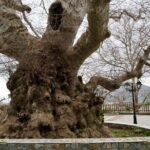
From there you’ll visit Krasi village to see a 2400-years-old Platanus tree. This kind of stop is brief, but it’s useful. Big historic sites can sometimes feel far away. A tree that old makes Crete feel time-real. You get a quiet anchor point while your vehicle moves you through the plateau region.
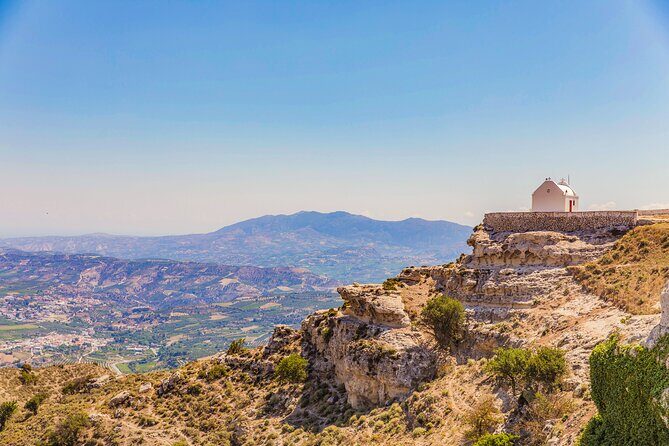
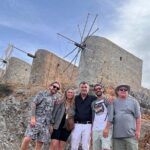
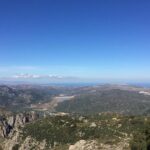
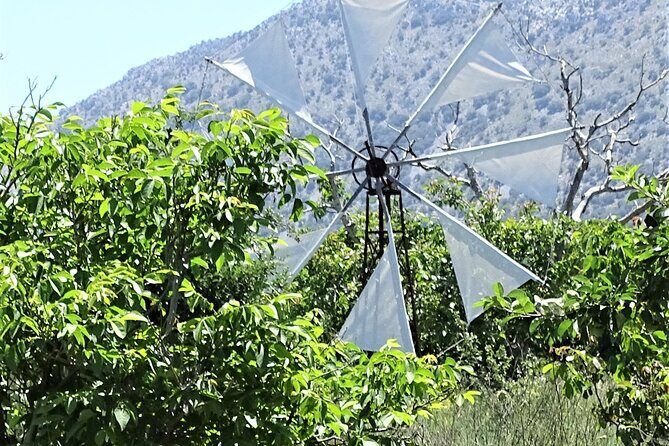
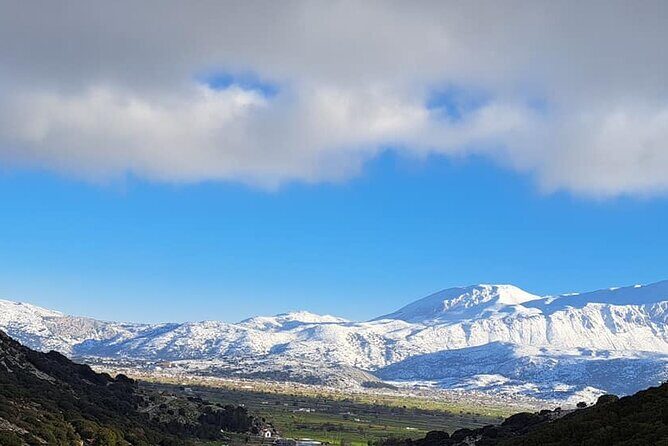
Then you’re headed into Lasithi Plateau proper, where you’ll meet the 26 stone windmills dating to the 1800s. The guide explains their significance, including the key detail that these mills were operated until the end of WWII. That’s not just an old-photo moment—it’s a story about how locals handled water and survival in tough terrain.
Why I think this windmill stop works:
- It connects geography to history. You can understand why people built these machines when you see where the wind is meant to do the work.
- It gives you a break from “looking at walls.” You’re outside, moving at walking pace, with space to take photos.
Time here is about 30 minutes, so you’ll want to arrive ready to look, listen, and then move. Don’t over-plan a long stroll—this is a “stop and absorb” moment.
Kaffeneio coffee plus Cretan raki: the taste-break that resets you
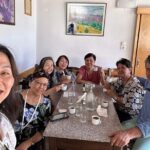
Next comes a classic Lasithi Plateau pause: Greek coffee in a traditional Kaffeneio cafe, paired with Cretan raki. This stop is about 1 hour and it’s one of the best parts for how it changes the tempo of the day.
Coffee breaks are often short on tours. Here, it’s long enough to slow down, ask questions, and actually feel the social rhythm of the region. You’re also tasting two local staples—coffee culture and raki culture—without needing to hunt for a place on your own.
A practical thought: if you’re sensitive to alcohol, go slow with the raki. It’s included as part of the experience, but you still control your pace.
Other olive oil and culinary tours we've reviewed in Heraklion
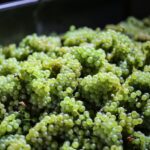
Marmaketo strawberries and Tzermiado yogurt: farm to taste in minutes
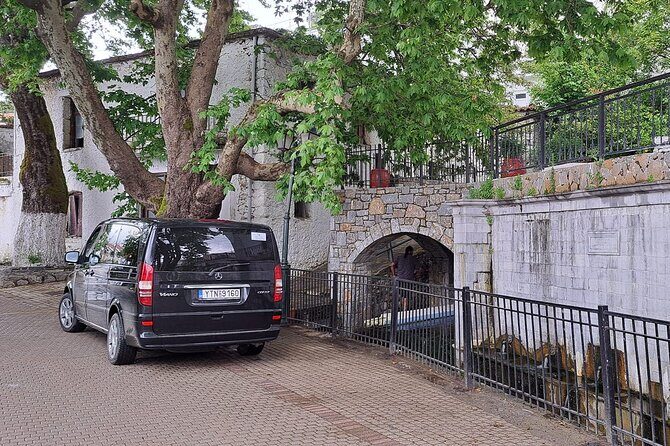
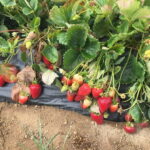
As the driver moves through traditional villages on the plateau, you’ll get explanations tied to history and local ways of life. In Marmaketo, you’ll pick up and enjoy fresh strawberries from the garden. This stop is about 30 minutes—short, sweet, and very seasonal.
Then you’ll head to Tzermiado, where you’ll learn about the dairy products produced in Lasithi Plateau. You taste Cretan yogurt with honey, and the timing is again about 30 minutes.
These two stops are the “I’m glad this tour isn’t only monuments” part of the day. They turn the plateau from something you drive through into something you experience through flavors and small production stories.
If you have dietary needs, this is where you should pay attention. Yogurt and honey are pretty straightforward, but still worth mentioning to your host in advance if you have restrictions. The information you’ll have on-site is limited to what the tour provides, so it’s smart to be clear early.
Also note: each of these stops has free admission listed for you, which keeps the day from turning into a never-ending ticket spree.
Ano Kera food stop: where the day finally tastes like a full meal
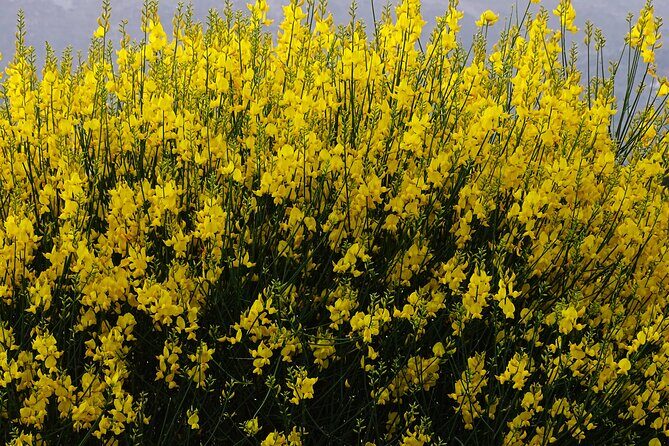
You’ll finish the plateau portion with Ano Kera, where the experience is built around local cuisine made from fresh regional products. This stop is about 1 hour 30 minutes, and it’s your longest food-focused time.
I like this placement because it acts like a payoff. After olive oil, coffee, strawberries, and yogurt, you’re ready for something more substantial. It’s also the kind of stop where you can ask your guide what to pay attention to—what’s “typical,” what’s grown or made locally, and what you’ll want to remember if you’re eating around Crete after this day.
A small heads-up: the included stops are tasting-oriented, and the tour doesn’t list an included full lunch. So if you’re a big eater, you might want to budget for optional lunch on top of the tastings—or plan to make the Ano Kera stop your main meal of the day.
Knossos Palace: worth it, but budget time and the €20 ticket
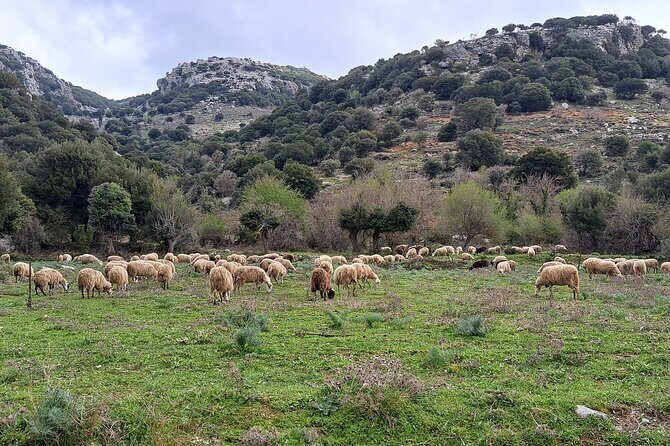
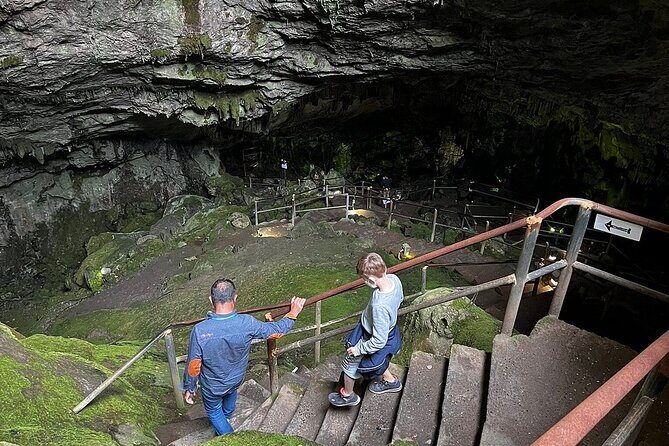
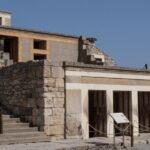
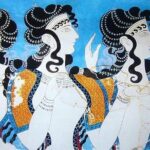
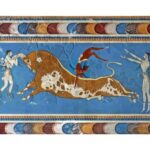
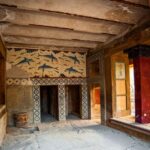
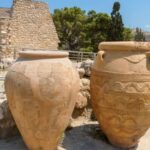
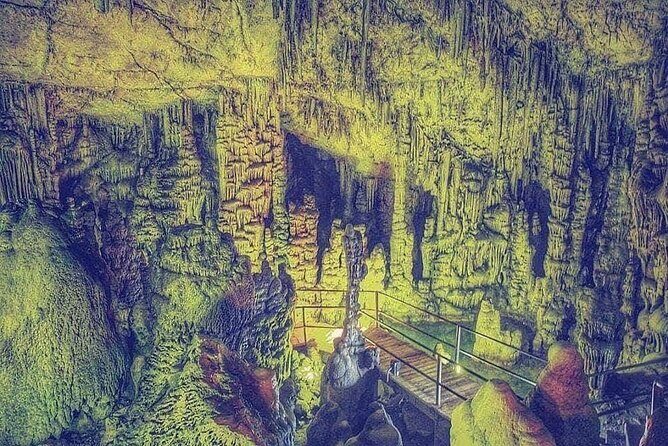
Knossos is the headline for a reason. You’ll visit the Knossos Archaeological Site for about 1 hour, and it’s the most visited site in Crete.
But here’s the key practical point: Knossos Palace tickets are not included. The cost is €20 per person. You should plan for that cost in your day budget, and ideally keep a strategy ready for how you’ll handle the ticket moment when you arrive.
How I’d set expectations for the visit:
- With just 1 hour, you won’t see everything at a strolling pace.
- You’ll get the main highlights if you’re paying attention and following your guide’s guidance.
- Bring your curiosity, not your need for perfect coverage.
If you’re the type who loves history through details, you might want to arrive with a tiny bit of context before you go. Even a basic understanding of what Knossos is known for makes the visit feel faster and more meaningful in the time you have.
Price and value: $133.81 adds up when you count the extras
At $133.81 per person, the big value isn’t just “a tour bus.” It’s the pile-up of what’s included:
- Pickup and drop-off from accommodation (in the covered regions)
- Air-conditioned vehicle
- Local English-speaking driver guide
- Bottled water and coffee or refreshments
- Liability insurance
- Admission tickets marked as free for multiple stops (olive mill, tree, windmills, and several village tastings)
- Mobile ticket (so you can manage your day with less fuss)
Then there’s what isn’t included: Knossos tickets (20 euros per person), plus optional lunch.
When you do the math, this day works best if you’d otherwise pay for:
- transport around the island region
- a guided connection between what you’re seeing and what it means
- tastings you might not be able to find or coordinate easily on your own
I’d say this is good value for people who want a full Crete slice without arranging a rental car. It’s also solid for couples, families, and anyone who likes variety—olive oil + village life + a top archaeological site in one go.
Who this tour fits best (and who should choose differently)
This tour is a strong match if you want:
- a small-group day with pickup
- a mix of tasting stops and “see-it” sights
- the combo of Lasithi Plateau villages and Knossos
It’s also a great choice if you’re visiting on a single trip day and don’t want to spend hours planning routes.
On the other hand, consider skipping or picking something more flexible if:
- you want long unstructured walking time at one site
- you hate the idea of extra costs for Knossos entry
- you prefer slow travel with fewer moving parts
Good weather helps this whole day run smoothly, and the experience notes that it requires good weather. If conditions are poor, you’ll be offered a different date or a refund.
Should you book this Knossos and Lasithi day trip?
Yes, I’d book it if you like your Crete days with both stars and side streets. The structure makes sense: you get olive oil tasting, you learn why the Lasithi windmills mattered, you slow down for coffee and raki, and you actually eat your way through the plateau with strawberries and yogurt with honey before you hit Knossos.
Just go in with two practical expectations: Knossos costs extra, and the day is packed enough that some stops are brief. If that doesn’t bother you, this is a smart, well-rounded way to see more Crete without needing a car.
FAQ
How long is the Knossos Palace, Lasithi Plateau, and olive mill tour?
It runs for about 7 hours.
What’s included in the price?
Pickup and drop-off (from the covered areas), an air-conditioned vehicle, a local English-speaking driver guide, liability insurance, coffee or refreshments, and bottled water. Some stop admissions are listed as free.
Are Knossos Palace tickets included?
No. Knossos Archaeological Site tickets cost €20 per person and are not included.
How many people are in the group?
The tour has a maximum of 12 travelers.
Do I get pickup from my accommodation?
Yes, pickup and drop-off are included from your hotel/port/airport. Pickup is available for the Heraklion, Hersonissos, and Malia region.
What food and drink do you have during the day?
You’ll have coffee or refreshments, plus tastings such as different extra olive oils, Greek coffee with Cretan raki, fresh strawberries from the garden, and Cretan yogurt with honey. There’s also a cuisine tasting time in Ano Kera.
Is a mobile ticket used?
Yes, the experience includes a mobile ticket.
What happens if the weather is bad?
The tour requires good weather. If it’s canceled due to poor weather, you’ll be offered a different date or a full refund.