REVIEW · HERAKLION
Crete: Heraklion Food and City tour
Book on GetYourGuide →Operated by CRETE: Luxurious Private Tours and Taxi Transfers · Bookable on GetYourGuide
Heraklion lets you eat your way through Crete. This 3.5-hour food + city tour mixes old-town walking with about eight local-favourite stops, so you get to taste the stuff that actually makes Crete taste like Crete, starting with Cretan olive oil and local cheeses.
Two things I really like: you’re not just sampling food in one place, and you’re also getting context for what you’re eating while you move through the historic streets.
My second favorite part is the pace and care from your guide, Mrs Ralou, who makes it feel less like a checklist and more like an easy stroll with a plan. You’ll also get a stop at the Pastry Museum with 232 rare exhibits, including 32 said to be unique in the world, which is a fun way to connect food with local identity.
The one caution: this is a tasting-heavy outing with raki and multiple courses, so if you prefer very light eating (or you don’t drink alcohol at all), you’ll want to pace yourself or adjust expectations.
In This Review
- Key points to know before you go
- Starting in Heraklion with Mrs Ralou
- Old-town landmarks that actually match the food theme
- The open-air market stop: where olive oil and cheese make sense
- Venetian Loggia, Agios Minas/Titos, and the walk to Koules
- The Pastry Museum: a detour that turns into a lesson
- Bougatsa and Greek coffee: the classic start to the sweet-savory rhythm
- The mezedopoleio feast: why Cretan meze works on a walking tour
- Lunch, street food, and timing you can actually manage
- Value for $141: what you get for the money
- Who this Heraklion food tour fits best
- Should you book this Crete: Heraklion food and city tour?
- FAQ
- Where do we meet for the Heraklion food and city tour?
- How long is the tour?
- What’s included in the food and drink tastings?
- Is entry to Koules included in the tour price?
- Does the tour have an English-speaking guide?
- Is this tour private and wheelchair accessible?
- What is the cancellation window?
Key points to know before you go
- Meet Mrs Ralou in front of the Heraklion Archaeological Museum with a sign that has your name
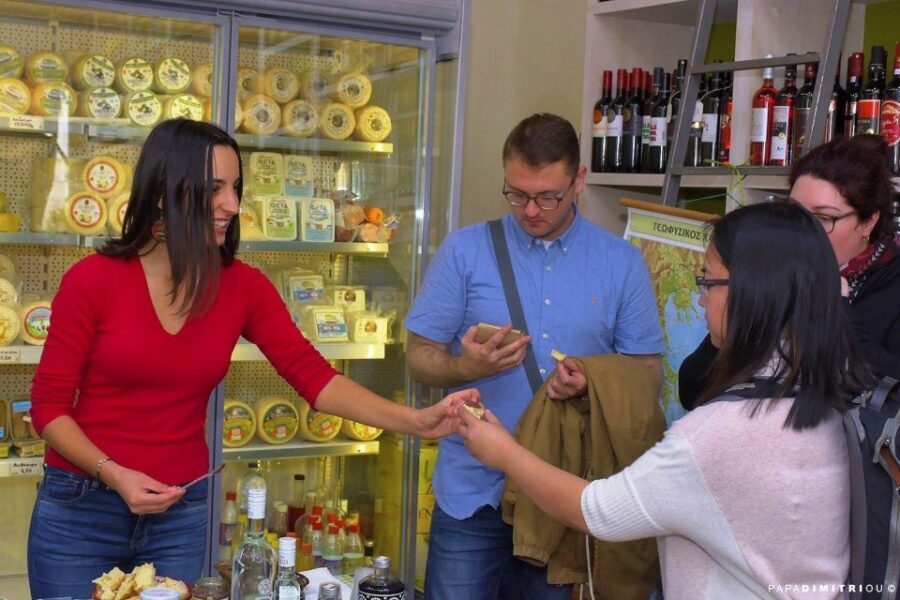
- About eight local stops for samples (not just one meal), including olives, cheese, pastries, and meats
- Cretan olive oil as the theme, with tastings timed to market and meze moments
- Pastry Museum visit featuring 232 exhibits and 32 unique ones
- Tavern mezedopoleio feast with classics like bougatsa, eggplant salad, Bekri-style meat, and Cretan sausages
- Koules fortress visit includes an optional stop where the castle entrance fee is 4€ per person
Starting in Heraklion with Mrs Ralou
You begin in the right spot: outside the Heraklion Archaeological Museum. Your guide, Mrs Ralou, meets you there holding a sign with your name, which is a small detail that saves real stress when you’re traveling in a new city.
From the start, the tour is set up to help you get your bearings fast. You’ll walk through the old town with photo stops along the way, and you’ll get an English and Greek live guide plus an audio guide in the same languages. In plain terms: you’re less likely to feel lost, and you’ll understand what you’re seeing while you’re eating.
This is also a private group, which matters in a tour like this. It means your guide can keep the flow comfortable, and you’re not squeezed into a rigid schedule with strangers.
Other food & drink experiences in Heraklion

Old-town landmarks that actually match the food theme
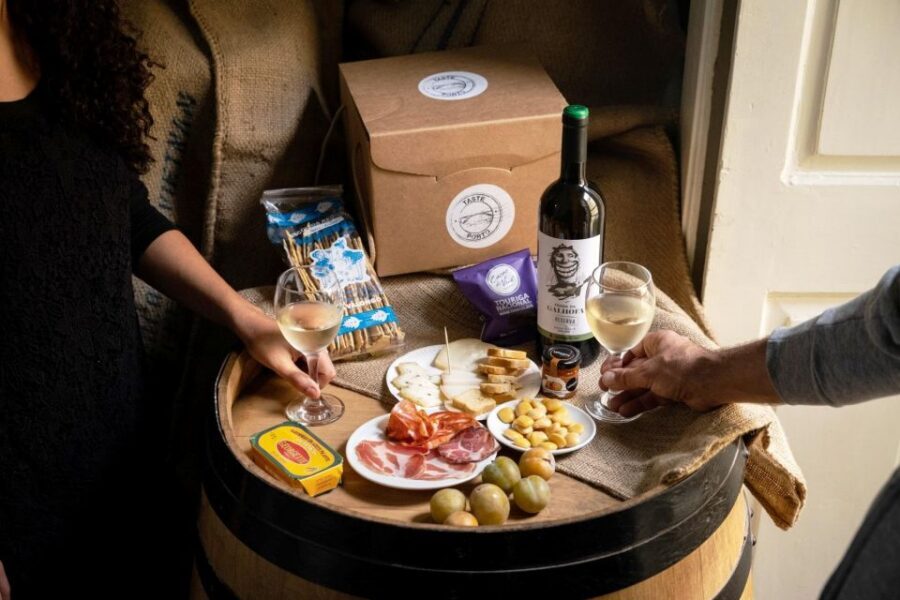
This isn’t a pure sightseeing walk, so the landmarks aren’t just scenery. The points you see help explain why Cretan food has such strong, local character.
You’ll move through parts of the old town that connect different eras—Venetian and Byzantine influence show up in the architecture and in the way the city’s spaces still function. You’ll also hit major church sites like the Cathedral of Agios Minas or the Church of Agios Titos, depending on what’s most practical during the tour.
A smart tip here: when you’re on a food tour, you tend to forget to look up. Set a rule for yourself: at each major sight, take one quick photo, then return your attention to the tasting. You’ll enjoy both, and your photos will look better than the usual head-down scramble.
The open-air market stop: where olive oil and cheese make sense
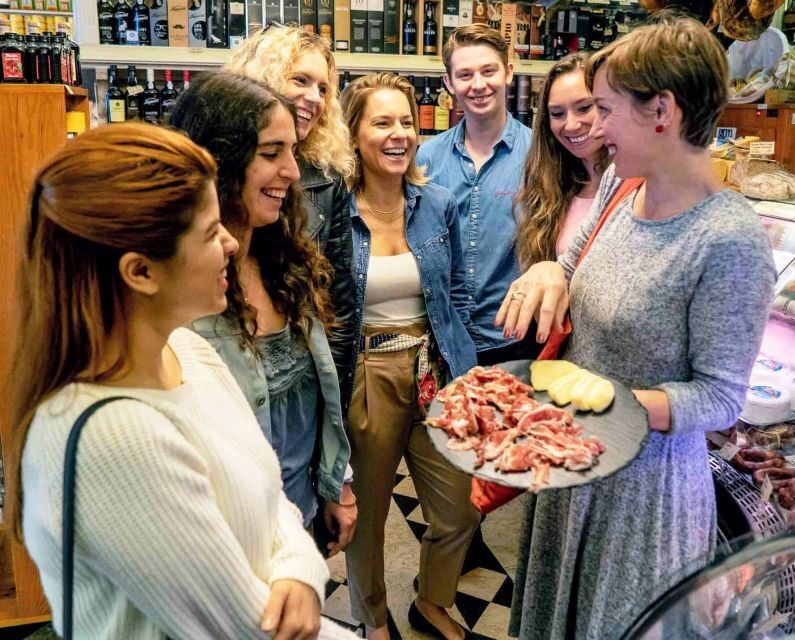
The tour kicks off the culinary side at the open-air market. This is where the olive oil theme becomes more than a marketing line. You’ll sample fine olive oils and cheeses early, while the experience is still grounded in the everyday culture of buying and tasting.
Why this works: olive oil on Crete isn’t just something you pour on food. It’s a product you taste, compare, and learn to recognize. When you get a chance to taste it alongside local cheeses, you start building a mental map of flavors you’ll keep noticing later at the tavern.
If you’re sensitive to stronger flavors, don’t panic. Ask your guide to help you understand what you’re tasting—sweet, peppery, milder oils, and the general style of the cheeses. You’ll get more out of it than trying to guess from smell alone.
Venetian Loggia, Agios Minas/Titos, and the walk to Koules

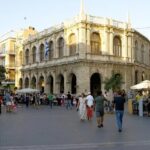
As you keep walking, you’ll pass the historic Venetian Loggia, a reminder that Heraklion has long been shaped by outside powers and trade routes. Those connections matter for food too, even when the menu stays Cretan. Crete’s local cuisine exists side-by-side with the city’s layered past.
Then comes the big fortress moment: the Venetian Castle of Heraklion, Koules. The castle is described as a massive fortress with two storeys and a role as a guard for the port entry. It’s a useful stop because it explains why Heraklion became so important commercially—food and goods flow through places that control access.
One practical detail: the castle entrance fee is 4€ per person, and it’s not included in the tour price. That doesn’t make it a bad value add. It just means you should expect a small extra cost if you want to go inside.
If you’re visiting in warm weather, wear something breathable and plan for short pauses. The tour is 3.5 hours total, but the day can still feel long if you’re underdressed for walking.
The Pastry Museum: a detour that turns into a lesson
One of the most memorable stops is the Pastry Museum. It’s unique for a reason: the display includes 232 rare exhibits, with 32 of them described as unique in the world.
You might wonder why a food tour includes a museum of pastries instead of just more tastings. Here’s why it fits: Cretan sweets and baked goods are part history, part family tradition. When you see how ingredients and designs get preserved, you understand why things like flaky pastry styles and classic fillings show up again and again in local shops.
This is also the kind of stop that breaks the day into something different from walking and eating. If you’ve been traveling for a while, a short indoor stop can feel like a reset button.
A few more Heraklion tours and experiences worth a look



Bougatsa and Greek coffee: the classic start to the sweet-savory rhythm
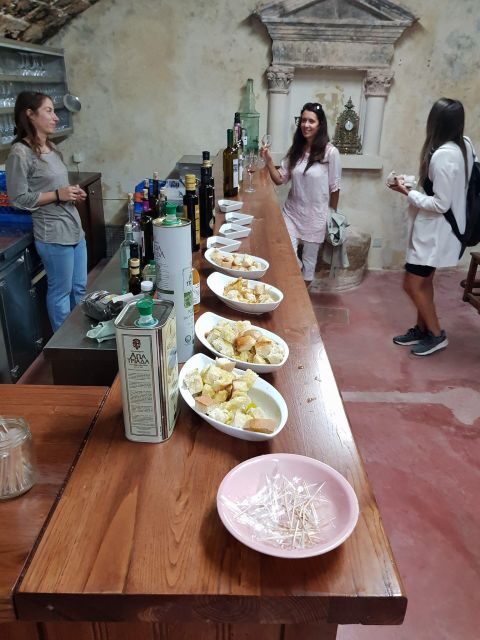
After market tastings, you’ll move into a proper culinary sequence, and one of the first standouts is bougatsa with Greek coffee. Bougatsa is a classic pastry with flaky layers of puff pastry, and you’ll learn how it can be sweet or savory.
This pairing matters because coffee is part of the texture of the experience. It’s not just a drink; it helps you handle the pastry’s buttery feel and sets you up for the heavier meze later.
Practical tip: take a moment to decide what you want to taste next. Your tour includes lots of samples, so you’ll enjoy it more if you think of the meal as a series of comparisons—pastry texture now, then olive oil and cheese, then meat and raki later.
The mezedopoleio feast: why Cretan meze works on a walking tour
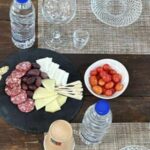
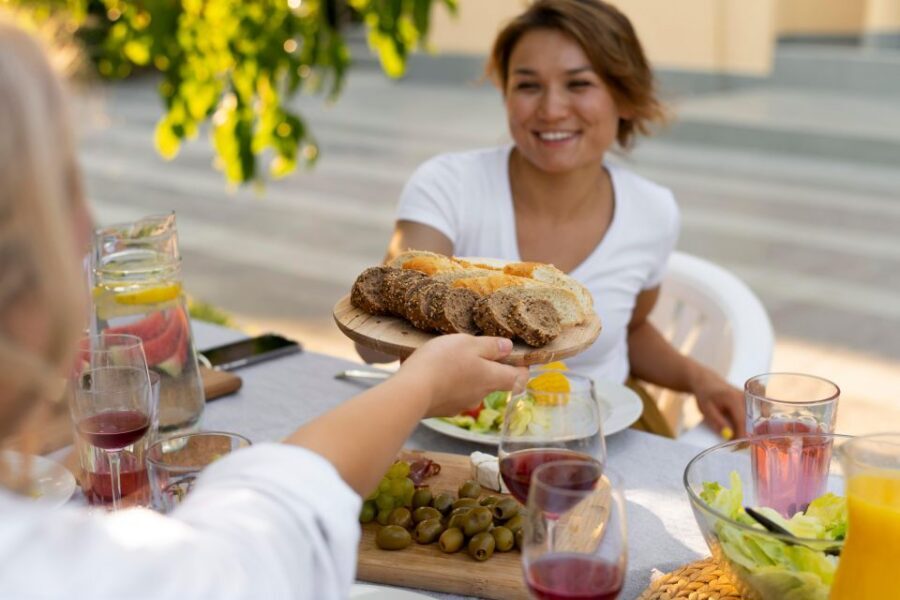
The heart of the tour is the tavern experience in a traditional mezedopoleio, where the table overflows with Cretan meze. This is the moment where the whole tour theme clicks: olive oil, cheese, vegetables, meats, and local spirits all show up in one flowing meal.
You’ll enjoy dishes such as:
- Eggplant salad with tomatoes, garlic, herbs, and olive oil
- Roast goat or mezes Bekri, slow-roasted goat or pork in red wine sauce
- Cretan sausages, either with vinegar or as meatballs
You’ll also have chances among the mezedes to taste Cretan olive oil and Cretan cheese again, which is smart because you can compare how those flavors read in different dishes.
Then comes raki, the traditional Cretan spirit. It’s served as accompaniment to the meze experience, and it helps round out the meal. Just remember: raki is part of the culture here, not a novelty shot. If you’re not a big spirit person, you can still enjoy the food without feeling like you must go all-in.
One more reason this meal is worth it on a food tour: meze is naturally social. You get variety without having to commit to one main dish, which fits perfectly with a half-day tour where you’ll have already tasted earlier.
Lunch, street food, and timing you can actually manage
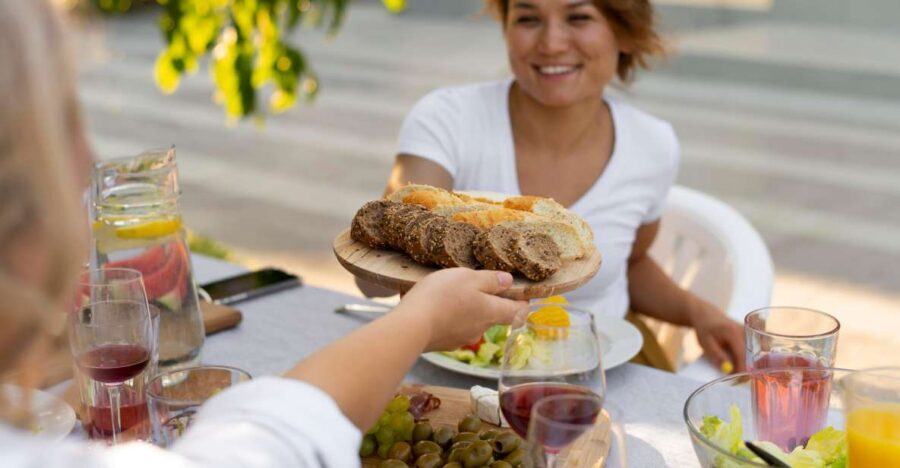
The tour includes lunch and street food moments along the way, not just a sit-down meal. That timing is what makes the outing feel manageable instead of chaotic. You’re sampling at different points, so you’re never stuck with a huge meal before you’ve finished walking.
You’ll also get photo stops and sightseeing walk time, which helps the day feel like a real city experience rather than a moving restaurant crawl. The route is designed so you can keep your energy up: a market and tasting start, historic sights mid-day, then the meze feast as the big finish.
If you want to make the most of it, avoid planning anything intense right after. Even though it’s only 3.5 hours, you’ll leave fed, walking a bit, and likely thinking about olive oil on the drive back to your hotel.
Value for $141: what you get for the money
$141 per person sounds like a lot until you price it out like a practical trip. In this tour, you’re paying for:
- an official local guide (live in English and Greek)
- food and beverage samples across multiple stops (coffee, rusks, olives, cheese, pastries, traditional sweets, local wine/spirit tasting, and meats)
- the overall structure of an 8-stop experience tied to sights, not just a single restaurant meal
- an audio guide included
- the ability to skip the ticket line (as included by the tour)
When I think about value, I focus on how much you’d spend on food if you tried to recreate it on your own. A market tastings plan plus a museum stop plus a meze meal with multiple dishes plus drinks can add up quickly. This tour also saves time because someone else handles the route and the pacing.
The only extra cost you should remember is the Koules entrance fee of 4€ per person, since that’s listed separately. Factor that in and the math still usually stays in the “worth it” zone—especially if you don’t want to guess where to go and what to order.
Who this Heraklion food tour fits best
This experience is built for people who like food, walking, and learning a bit as they go.
It’s a great fit if you:
- want a Cretan-focused tour with olive oil as a main theme
- enjoy tasting lots of items instead of only one big meal
- like pairing food with context, like why certain pastry traditions exist
It may be less ideal if you:
- don’t want any alcohol at all (raki is part of the experience, and local wine/spirit tasting is also included)
- struggle with moderate walking and time on your feet (it’s a 3.5-hour city walk)
There’s also one clear limit: it’s noted as not suitable for people over 95 years.
Should you book this Crete: Heraklion food and city tour?
I’d book it if your goal is a half-day in Heraklion that feeds you well and helps you understand what you’re eating. The standout elements are the market-to-meze flow, the emphasis on Cretan olive oil, and the fact that the tour connects food with places like the Venetian Loggia, Koules, and the Pastry Museum.
I wouldn’t book it if you’re looking for a quiet, low-food, low-alcohol tour. This is for people who want to taste. If that sounds like your style, you’ll likely leave happy, full, and with a better sense of what makes Crete’s food identity so recognizable.
FAQ
Where do we meet for the Heraklion food and city tour?
Meet in front of the Heraklion Archaeological Museum. Your guide, Mrs Ralou, will be waiting with a sign that has your name.
How long is the tour?
The duration is 3.5 hours.
What’s included in the food and drink tastings?
You’ll get food and beverage samples such as coffee, rusks, olives, cheese, pastries, traditional sweets, local wine/spirit tasting, and meats.
Is entry to Koules included in the tour price?
No. The castle entrance fee is 4€ per person and is not included.
Does the tour have an English-speaking guide?
Yes. The live tour guide is available in English and Greek, and an audio guide is included in English and Greek.
Is this tour private and wheelchair accessible?
It’s listed as a private group, and it is wheelchair accessible.
What is the cancellation window?
Free cancellation is available up to 24 hours in advance for a full refund.