REVIEW · HERAKLION
Heraklion City: Greek Food Tasting Walking Tour
Book on GetYourGuide →Operated by Creta tours · Bookable on GetYourGuide
Heraklion food goes from snack to story fast. You’ll get 10+ tastings over a focused 4-hour walk, and the meal stops feel like they come with context, not just menus. I especially like how the tour leans into real Cretan comfort food and teaches you what each bite is for—names, ingredients, and local habits.
The guide I heard the most about is Marina, and her style sounds like what you want on a food tour: friendly, organized, and happy to explain how Heraklion’s dishes grew up. One possible drawback: the tastings add up quickly, so if you eat very lightly or want bigger gaps between stops, this schedule can feel like a food sprint.
In This Review
- Key things that make this Heraklion tasting work
- A Four-Hour Taste Circuit Through Heraklion’s Food Scene
- Meeting Point, Walking Pace, and How the Tour Keeps Things Moving
- Stop 1: Bougatsa at a Traditional Bakery
- Olives, Cheese, and Cured Meats in the Herb-Spiced Tavern
- The Main Dish Stop: Dakos, Moussaka, and Kalitsounia With Wine
- The Sweet Finale: Loukoumades and Strong Greek Coffee
- Why the Guide’s Stories Matter (Not Just the Plates)
- Price and Value: Does $122 Make Sense for What You Get?
- Who This Tour Is For (and Who Might Want a Different Plan)
- Small Practical Tips Before You Go
- Should You Book This Heraklion Greek Food Tasting Walking Tour?
- FAQ
- How long is the Heraklion City Greek Food Tasting Walking Tour?
- Where does the tour start?
- What language is the tour guide?
- What food is included on the tour?
- How many dishes do you taste?
- Is wine included?
- Is there a sweet stop at the end?
- Can I pay later?
- Can I cancel and get a refund?
- Is the tour wheelchair accessible?
Key things that make this Heraklion tasting work
- 10+ plates plus wine mean you’re not just sampling one or two things
- Bougatsa kick-off at a traditional bakery sets the tone for pastry lovers
- Olives, cheese, and cured meats get explained in a Cretan context, not random ordering
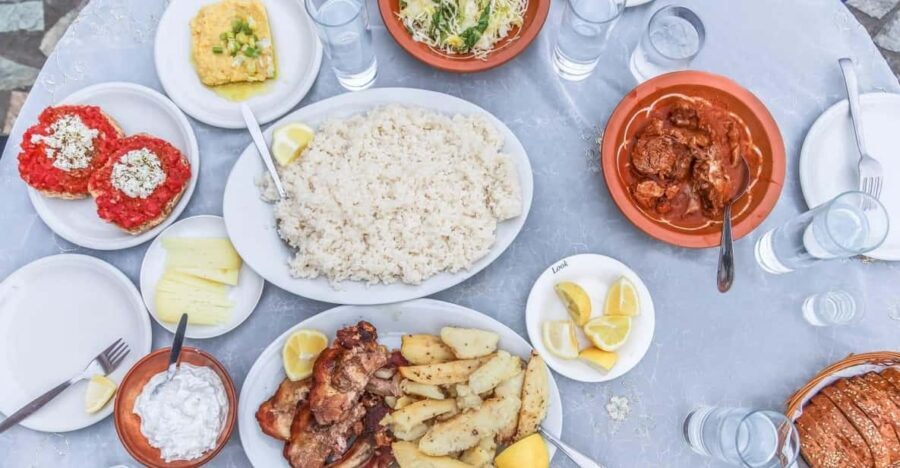
- A real menu mix includes dakos, moussaka, and kalitsounia
- Loukoumades and strong Greek coffee close the loop with something sweet
A Four-Hour Taste Circuit Through Heraklion’s Food Scene
This tour is built for people who learn best by eating. In four hours, you move through multiple food stops in Heraklion and try a lineup that covers salty, savory, and sweet, with local wine included. It’s not a museum-style food lesson. It’s practical: you taste, then you understand why it shows up on Cretan tables.
I like that the pacing is long enough to cover real variety, but not so long that you lose the thread. By the end, you’ll have a mental map of Cretan flavors—cheese and cured meats, herb-spiced dishes, baked comfort food, and syrupy sweets—so your next meal in town feels easier.
Other Heraklion city tours we've reviewed
Meeting Point, Walking Pace, and How the Tour Keeps Things Moving
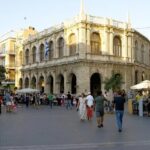
You start in the Heraklion city center, then walk from stop to stop with a live English-speaking guide. The walking part is part of the experience: it helps you connect the food to the neighborhoods and everyday life of the city, instead of treating the tour like a bus ride between restaurants.
A small but useful detail is that you get skip-the-line entry through a separate entrance at participating venues. That matters in busy tourist areas—less waiting means more time tasting and asking questions. If you’re the kind of person who hates standing around, this is one of the quiet advantages.
Stop 1: Bougatsa at a Traditional Bakery
The tour starts at a traditional bakery with bougatsa, one of Greece’s most famous comfort pastries. It’s the kind of first bite that sets expectations: warm, flaky pastry with a filling that can be sweet and creamy. Starting here gives you an immediate anchor for the tour’s theme—Cretan food isn’t only about fresh salads and grilled meat. It’s also baking, pastry, and everyday treats.
What I like about putting bougatsa first is how it works as a baseline. After that, the rest of the tastings feel like a progression: pastry, then savory plates, then full dishes, then dessert. Your appetite has a clean arc, and you’re not guessing what you’re going to like.
If you’re picky about texture (very flaky pastry can be crumbly), take a quick moment to eat slowly. The guide can usually tell you what to expect with the filling so you don’t end up surprised.
Olives, Cheese, and Cured Meats in the Herb-Spiced Tavern
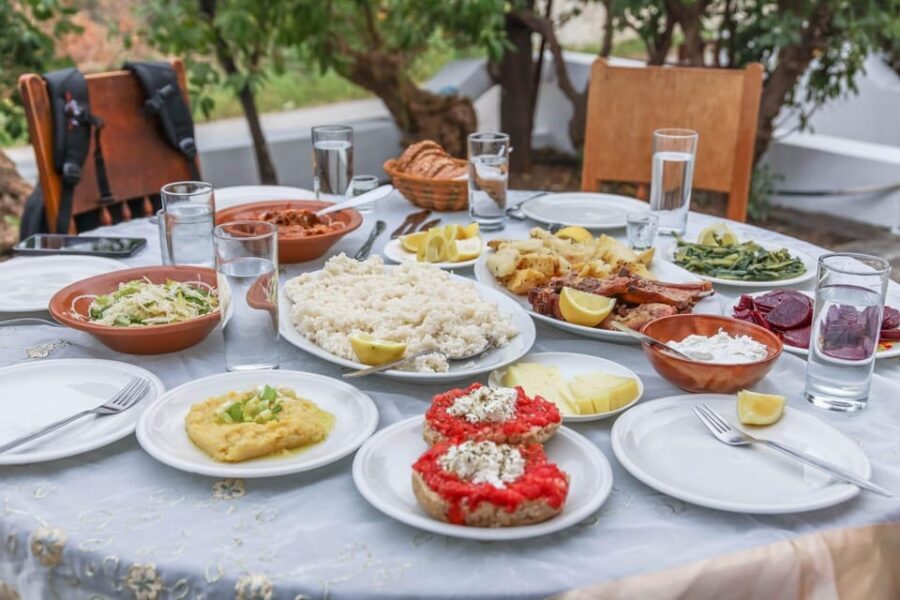
Next you’ll head into a tavern atmosphere that smells like fresh herbs, fruits, and spices. This stop focuses on classic Cretan flavors in the form of tasting plates—especially olives, cheeses, and cured meats.
This is one of the best parts for people who want to understand Cretan cuisine beyond the headline dishes. Olives and cheese on Crete aren’t just bar snacks. They reflect local growing traditions, preservation habits, and the way people build a meal around what the island does well.
I also like that the guide ties the tasting to the meaning of the ingredients. When you learn what something is and why it’s paired the way it is, you can shop or order smarter later—at least you’ll know what you’re looking for instead of choosing blindly.
Practical note: salty foods can make your water consumption spike. You’ll have water included, but go easy on the first few bites so you don’t feel washed out before the next dishes arrive.
The Main Dish Stop: Dakos, Moussaka, and Kalitsounia With Wine
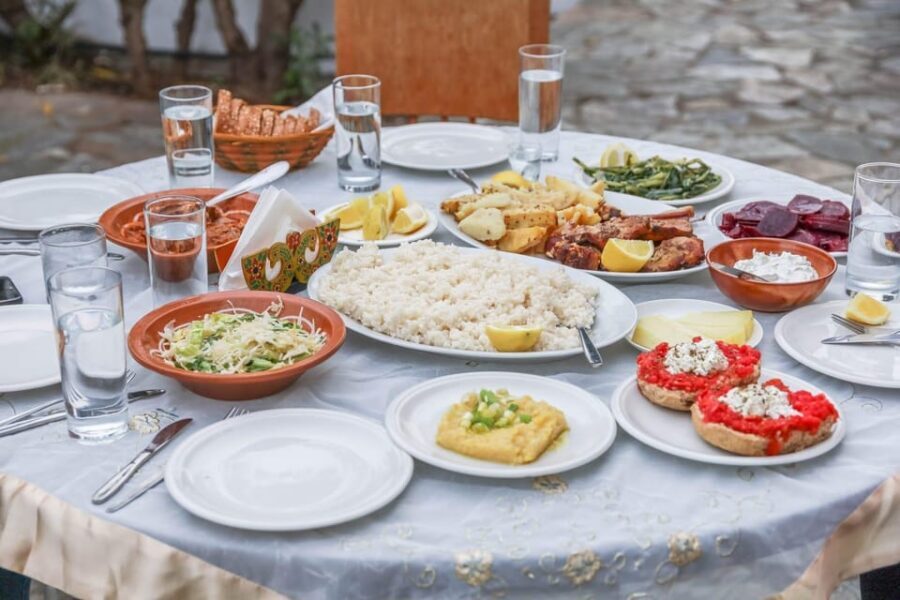
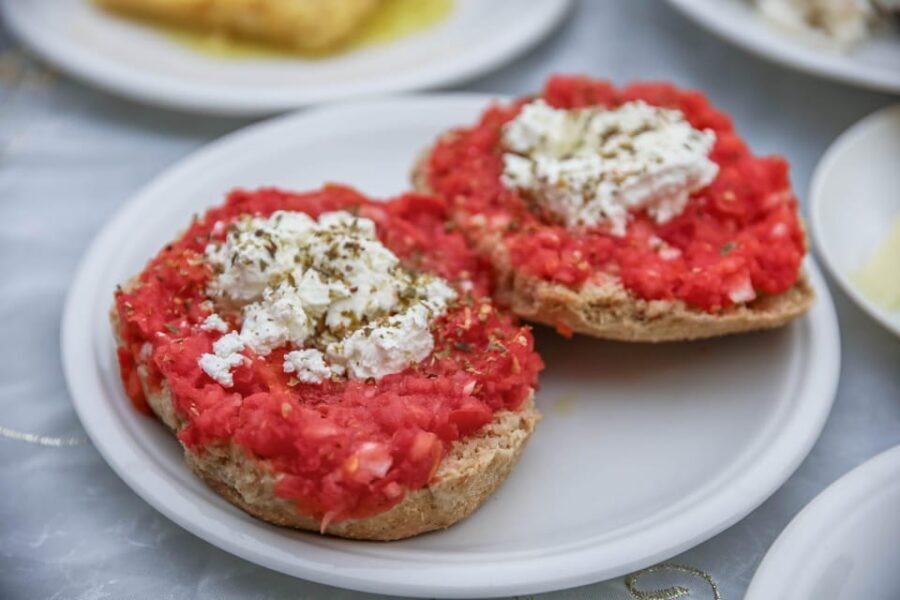
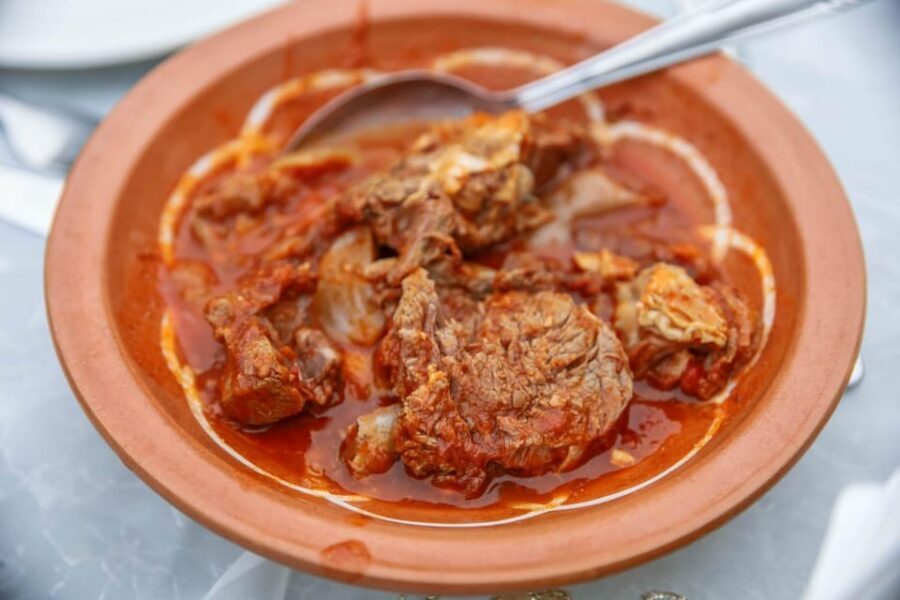
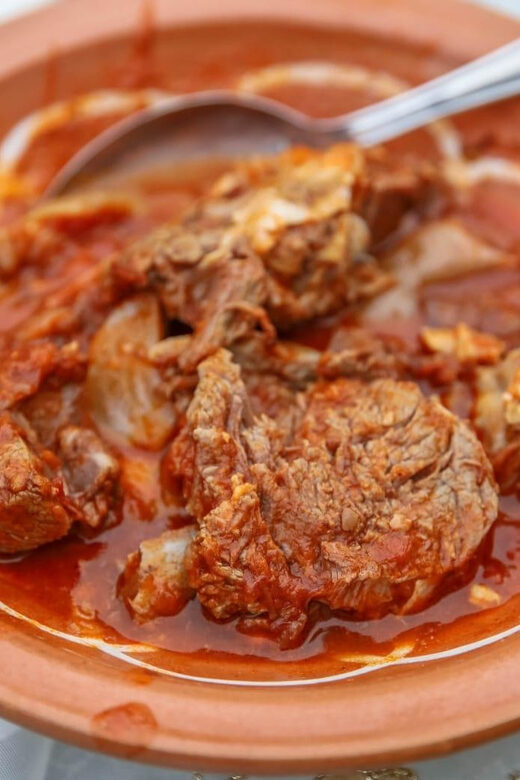
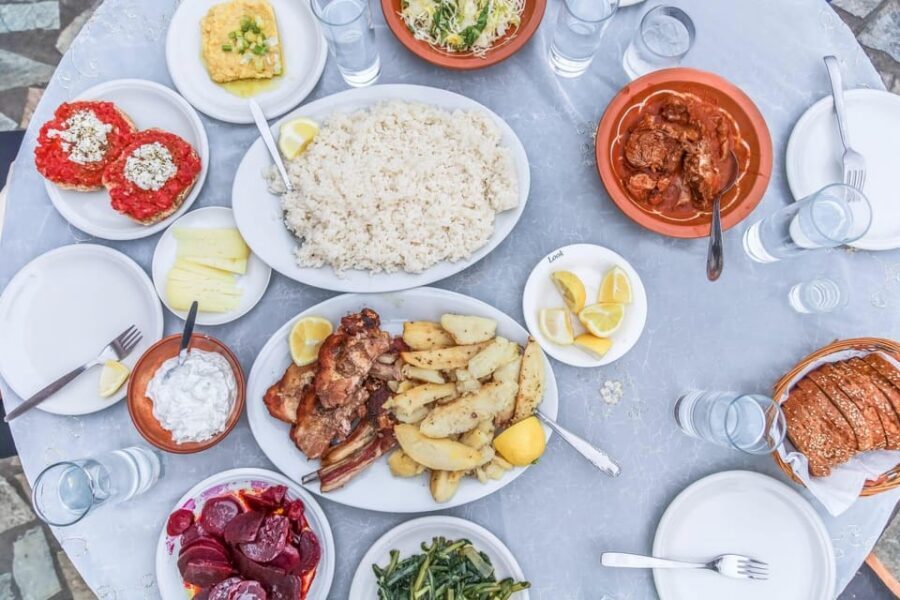
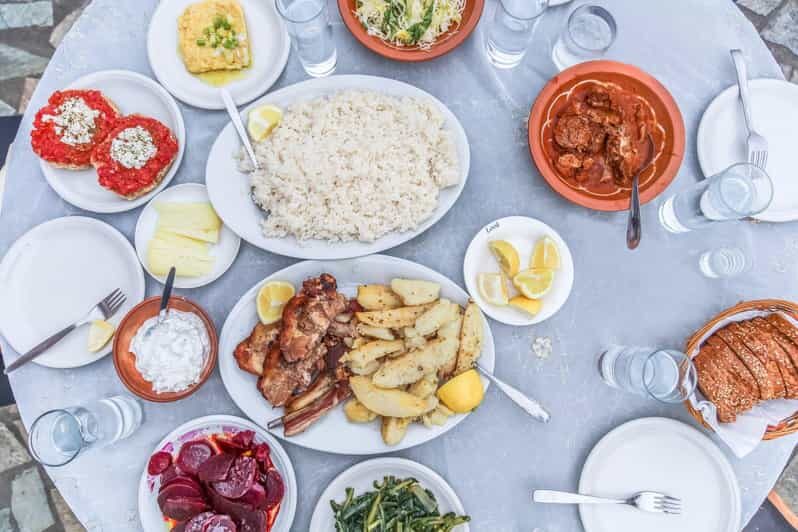
After the initial tastings, the tour moves into a charming taverna where you’ll try authentic Cretan dishes, including dakos, moussaka, and kalitsounia. This is where the tour stops being a snack crawl and starts feeling like a proper Cretan meal.
Here’s what that mix accomplishes:
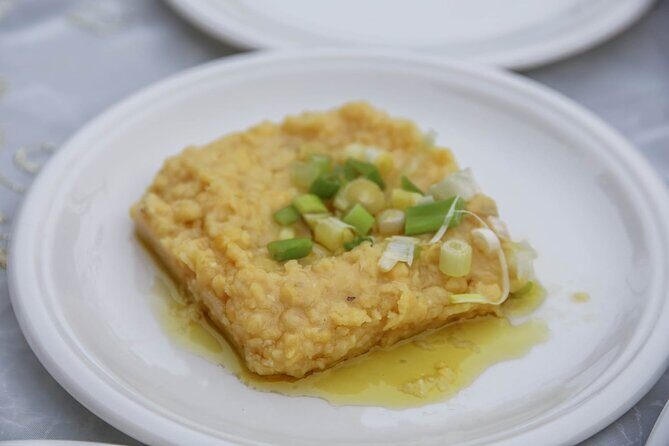
- Dakos gives you a sense of Cretan grain and tomato-friendly flavor patterns.
- Moussaka brings the baked, comforting side of Greek cooking.
- Kalitsounia adds a different texture and style—small bites that can be savory and pastry-like, depending on preparation.
And yes, there’s local wine with this part. Even if you don’t want to drink much, it helps tie the meal together in the way locals often experience it—food and sips working as one rhythm, not two separate choices.
I’d use this stop to ask questions. The guide’s job isn’t only to hand you plates. It’s to give you the context—what ingredients mean on Crete and how recipes show up across generations. If you’re someone who loves food history but hates long lectures, this is a nice middle ground.
Other walking tours we've reviewed in Heraklion




The Sweet Finale: Loukoumades and Strong Greek Coffee
The last move is to a beloved patisserie for a sweet treat: loukoumades and a cup of strong Greek coffee. Loukoumades are syrupy, fried dough balls—messy in a fun way, and impossible to eat like you’re being watched by a manners committee.
This ending is smart. After rich savory dishes and wine, you get a reset. The coffee also makes sense: it’s bold, and it helps cut through the sweetness so you don’t leave feeling like you’ve swallowed dessert soup.
If you’re caffeine-sensitive, take smaller sips and eat slowly. The tour doesn’t mention any alternative beverage options, so it’s best to plan around how strong Greek coffee tends to taste.
Why the Guide’s Stories Matter (Not Just the Plates)
A good food tour can be mostly about eating. This one tries to be more useful. Your guide shares stories and historical insights about Heraklion’s culinary heritage, and that’s where the tour earns its keep.
I like guides who explain the why. For example: why certain ingredients show up together, how local conditions shape flavor, and how dishes travel through time. It turns each stop from a random bite into a chunk of a bigger picture—Crete as an island where food is part of daily life, not a special occasion.
The reviews I’ve seen put extra weight on Marina’s approach—friendly, informative, and happy to help you keep the trip going afterward. That matches the ideal food tour vibe: you leave with ideas, not just crumbs.
Price and Value: Does $122 Make Sense for What You Get?
At $122 per person for about 4 hours, the value depends on how you like to travel. If you enjoy guided eating and want a structured sequence of tastings, this price can feel fair because you’re getting more than one restaurant meal.
Here’s what’s included that supports the cost:
- Food tasting of Greek and Cretan cuisine
- 10+ different plates
- White or red house wine
- Water
Add in the fact that the tour includes an English-speaking live guide and uses a separate entrance to reduce waiting. That combination is what makes guided food tours worth it for many people: you trade planning time for a ready-made route and someone who knows what to order and why.
If you’re the type who hates group pacing or prefers to pick each stop yourself, you might get similar flavors by wandering. But if you want a reliable hit list—bougatsa, olive-and-cheese tastings, classic mains, and a sweet finish—this tour does that in one tidy package.
Who This Tour Is For (and Who Might Want a Different Plan)
This fits best if you:
- like trying several Cretan dishes in one evening or afternoon
- want a guide to translate menus and explain pairings
- enjoy food with a story, but still want it practical
- don’t mind being on your feet during a four-hour walking experience
It may be less ideal if you:
- prefer very light meals or don’t like “tasting” formats
- want long sit-down time at one restaurant (this is a sequence of stops)
- have strong dislikes for wine included with the main dishes
Small Practical Tips Before You Go
A few simple choices can make this experience more comfortable:
- Wear shoes you can walk in for about four hours, since the day is built around moving between stops.
- Come hungry but not starving. You’ll get enough food to fill you, and the schedule keeps rolling.
- Plan for strong coffee at the end if you’re caffeine-sensitive.
- If you have food preferences, say something early to the guide. The tour includes multiple dishes, so it helps to communicate.
One more thing: this is an English tour, so you can expect explanations in English throughout. If you travel with friends who speak limited Greek, that alone can make the tour feel smoother.
Should You Book This Heraklion Greek Food Tasting Walking Tour?
I’d book it if you want a guided way to taste Cretan cooking without spending your time figuring out what to order. The blend of bougatsa, olives-and-cheese plates, dakos, moussaka, kalitsounia, loukoumades, plus wine and water makes the value feel solid for a 4-hour outing.
Skip it if you dislike tasting menus, don’t drink wine, or want a slower, single-restaurant evening. Also, go in knowing you’ll eat a lot. This tour isn’t meant to be a “light peek.” It’s meant to leave you full and with a better sense of what Crete tastes like.
If you want to build confidence ordering food in Heraklion afterward, this is exactly the kind of tour that gives you a shortcut.
FAQ
How long is the Heraklion City Greek Food Tasting Walking Tour?
It lasts 4 hours.
Where does the tour start?
You begin in Heraklion city center.
What language is the tour guide?
The tour guide speaks English.
What food is included on the tour?
You’ll taste Greek and Cretan cuisine, including bougatsa, olives, cheese, cured meats, dakos, moussaka, kalitsounia, loukoumades, and Greek coffee.
How many dishes do you taste?
The tour includes food tasting of 10+ different plates.
Is wine included?
Yes. White or red house wine is included, along with water.
Is there a sweet stop at the end?
Yes. The tour ends with a patisserie sweet treat like loukoumades and a cup of strong Greek coffee.
Can I pay later?
Yes. You can reserve now and pay later.
Can I cancel and get a refund?
Free cancellation is available up to 24 hours in advance for a full refund.
Is the tour wheelchair accessible?
Yes, it is wheelchair accessible.