REVIEW · HERAKLION
Crete: Lasithi Plateau & Knossos Palace Tour
Book on GetYourGuide →Operated by ETHERION · Bookable on GetYourGuide
Ten hours, two legends, one packed day. I really like how this trip strings together Kera Kardiotissa Monastery and the Knossos Palace ruins in one go, so you get both the spiritual side of Crete and the big Minoan-myth stage; plus the Lasithi Plateau scenery is the kind of change of pace you don’t get in a simple beach day. One thing to weigh: the day runs on a bus-heavy schedule, and cave access isn’t guaranteed—one recent booking noted the Cave of Zeus was closed, so treat that stop as a bonus, not a promise.
This is also the type of tour where a guide can make or break it. On the plus side, you’ll have a professional, multilingual guide (English, French, German) and comfortable air-conditioned transport with many pickup options along the north coast. On the caution side, if your group is split across three languages, you may get less detail than you’d like in some moments.
In This Review
- Key Highlights You’ll Actually Feel During the Day
- Kera Kardiotissa Monastery: nuns, 1400s icons, and a calm start
- Lasithi Plateau: 850 meters up, windmills, and Venetian ditch engineering
- Psychro Village and the cave area: where the Zeus story meets real steps
- Tzermiado lunch stop: a hilltop pause that keeps the day from feeling rushed
- Knossos Palace: Minoan ruins plus the Minotaur and Labyrinth story
- Price and value: $53 plus entrances, but you buy convenience
- Logistics that matter on a full 10-hour loop
- Who should book this tour (and who might skip it)
- Should you book? My take
- FAQ
- How long is the Crete: Lasithi Plateau & Knossos Palace Tour?
- What’s included in the tour price?
- Do I pay separately for the Cave of Zeus and Knossos?
- Where does the tour pick me up from?
- Which languages are available for the live guide?
- Is there any walking required during the tour?
Key Highlights You’ll Actually Feel During the Day
- Kera Kardiotissa Monastery run by nuns, including a famous image of the Virgin Mary and 1400s-era icons
- Lasithi Plateau at 850 meters with windmills and the Venetian ditch system that drains the area
- Psychro Village + ceramic workshop time for arts and crafts and handmade pottery
- Dikteon Cave area (Zeus cave) with an uphill walk of 300 meters—move at your pace
- Tzermiado lunch break in a hilltop town known for old architecture and quiet scenery
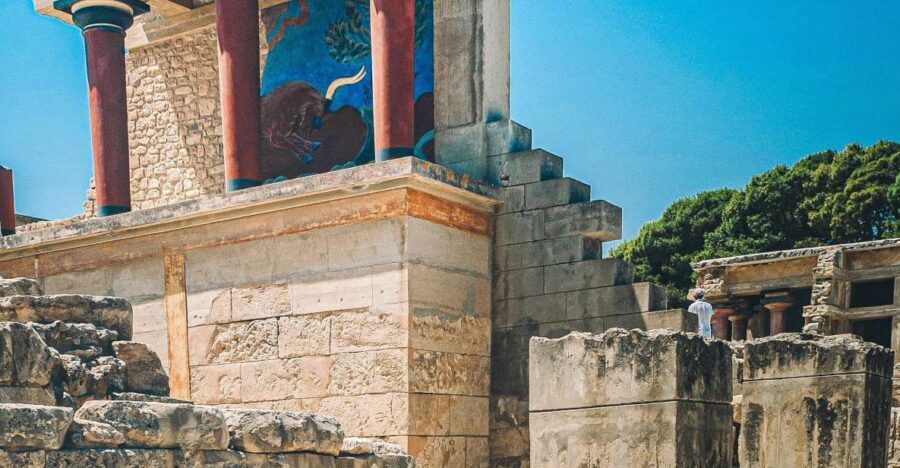
- Knossos guided walk tying King Minos, the Minotaur, and the Labyrinth to what you see on the ground
Kera Kardiotissa Monastery: nuns, 1400s icons, and a calm start
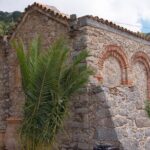
The day begins at the Panagia Kera Kardiotissa Monastery, a stop that feels worlds apart from the later rush of palace ruins. Expect a short break and photo time, then a guided visit with time to wander a bit on your own.
This monastery is dedicated to the Blessed Virgin Mary, and the focus is the miraculous image of the Virgin Mary plus a collection of paintings and icons from the 1400s. For me, that matters because it adds a human scale to the itinerary. You’re not just ticking boxes—you’re stepping into a place that’s still lived-in, with nuns running the site.
Dress and behavior matter here. Keep it respectful, plan for a few quiet moments, and take your photos when the guide gives you the cue—this is one of those stops where timing helps.
Practical tip: wear comfortable shoes even for “just” the monastery. You’ll be on and off the bus all day, and the walk to other stops later is real.
Other Knossos Palace tours we've reviewed in Heraklion
Lasithi Plateau: 850 meters up, windmills, and Venetian ditch engineering
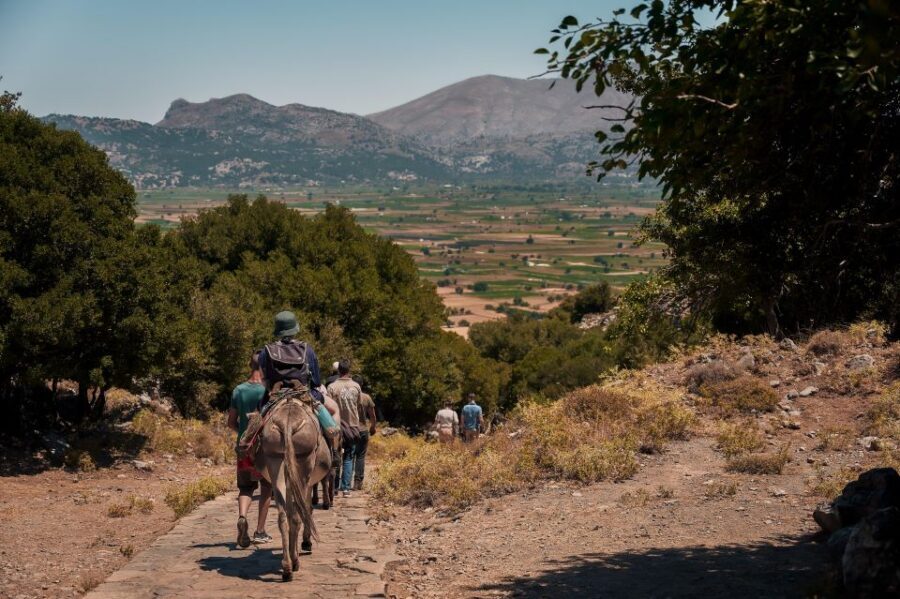
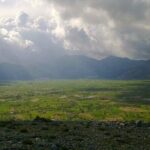
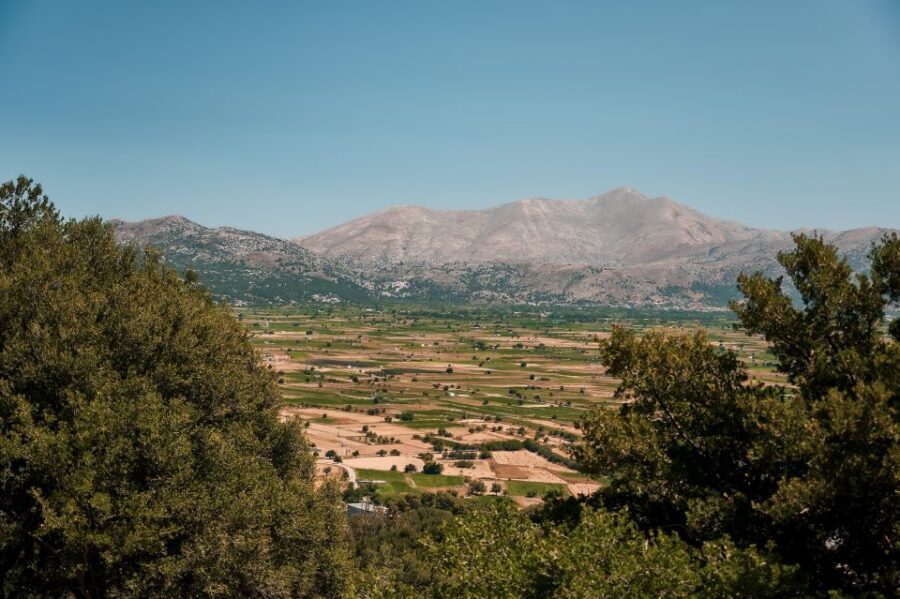
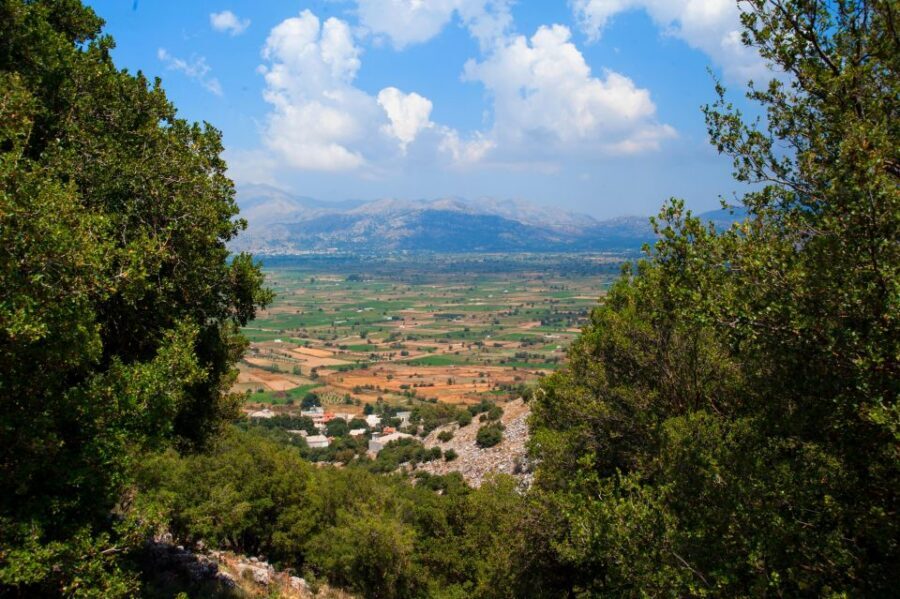
After the monastery, you head to the Lasithi Plateau, a highland plain about 850 meters above sea level. The plateau sits in the middle of Crete and is surrounded by the Dikte Mountains, plus it’s dotted with small towns (the itinerary highlights eighteen of them). The big win here is that you get a different Crete: cooler air at elevation, mountain views, and a landscape that feels shaped by old water systems.
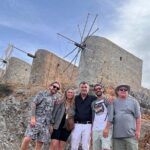
You’ll hear about the windmills still standing and the complex Venetian ditch system that drains the plateau. Even if you’re not a history nerd, that detail is useful: it explains why the plateau looks the way it does today. Crete’s “myth” stops are fun, but understanding how people worked the land is what makes the scenery stick in your head.
This portion also sets up the rest of the day. Once you’re surrounded by mountains and villages, Knossos and the cave myths feel less like a theme park and more like a map of stories spread across the island.
Small caution: don’t plan on stretching your legs constantly here. The plateau experience is mostly scenic and interpretive, not a long hike.
Psychro Village and the cave area: where the Zeus story meets real steps
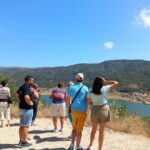
Psychro is your next taste of mountain village life, with time for free exploring and shopping. The itinerary includes photo time and a ceramics workshop, which is exactly the kind of stop that breaks up the day so you don’t feel like you’re only sitting on transport.
The ceramic workshop angle is worth paying attention to. You’re not just browsing souvenirs—you’re getting a look at how traditional pottery is made by hand, and you’ll likely come away with something that feels specific to this part of Crete.
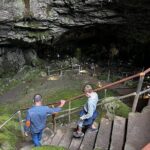
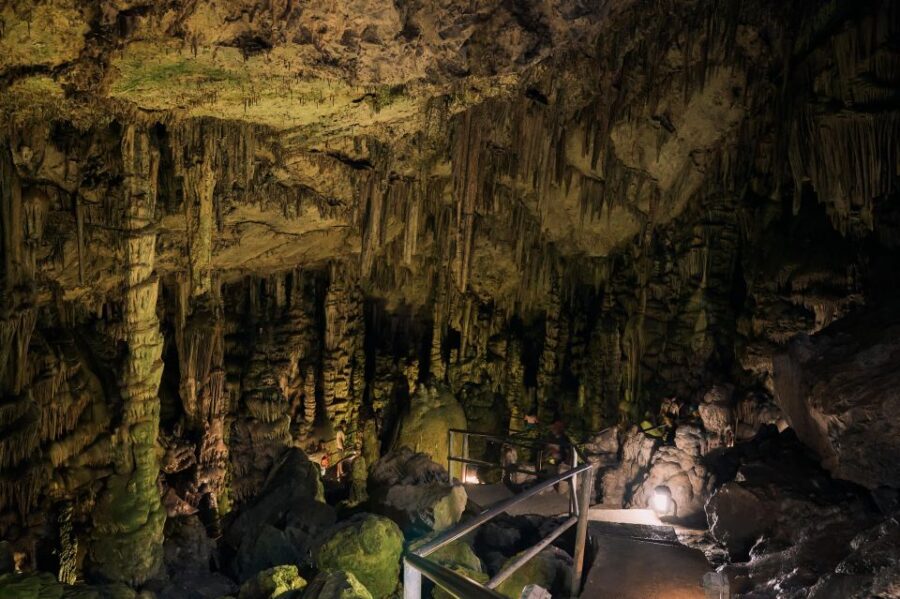
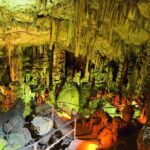
Then comes the cave area (Dikteon Cave is commonly linked with the birthplace of Zeus). You’ll get a chance to see the geology conceptually—stalactites and stalagmites are part of the description—and you should know there’s an uphill walk of about 300 meters involved. That means comfortable shoes aren’t optional.
Here’s the practical mindset I’d use if I were planning your day: be ready to move efficiently. One past French-leaning tip emphasized that if you choose to go down into the cave, you’ll want to go at a steady pace so you don’t run out of time. Don’t treat this stop like an endless wandering option.
Budget note: entrance to the Cave of Zeus is not included (6.00€), and it’s also possible the cave can be closed. So aim to enjoy the area even if the cave access isn’t what you imagined.
Tzermiado lunch stop: a hilltop pause that keeps the day from feeling rushed
Tzermiado is the itinerary’s reset button. It’s described as a hilltop capital for local towns, with untouched scenery and older architecture. Translation: you get a quieter village feel and a chance to regroup after the more “structured” stops.
You’ll have a break that includes lunch and guided time, plus free time to shop and snack. The schedule gives you about 70 minutes total here, which is long enough to eat without feeling frantic, but short enough that you won’t spend your whole day staring at menus.
This stop is valuable for two reasons. First, it gives you a chance to try local food where you’re not surrounded by big tourist crowds. Second, it helps you absorb the day’s rhythm. Without this break, the monastery → plateau → cave → Knossos flow could feel like too much.
Packing advice: bring water when you can. Even with breaks, the day includes multiple warm-weather moments and a real uphill segment.
Knossos Palace: Minoan ruins plus the Minotaur and Labyrinth story
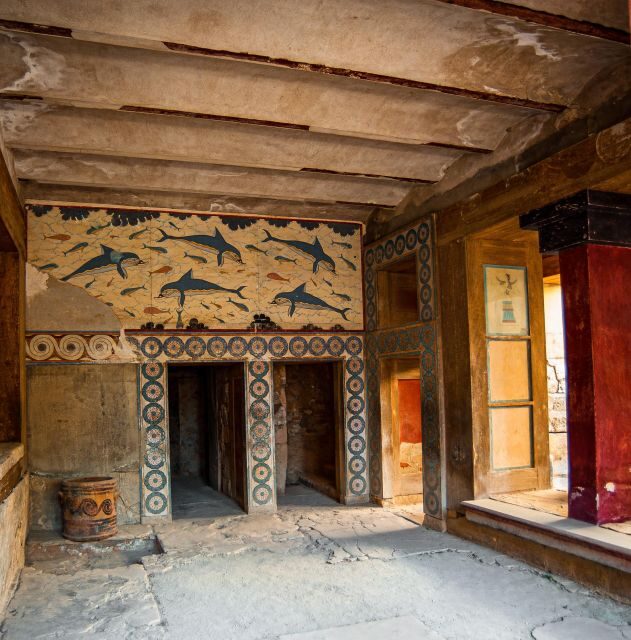
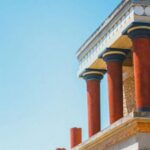
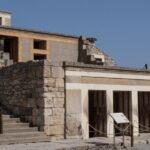
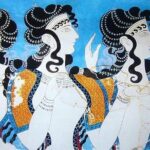
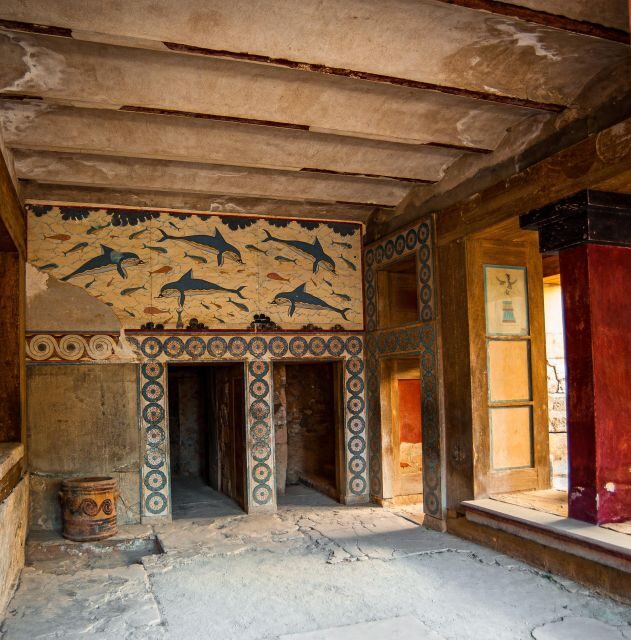
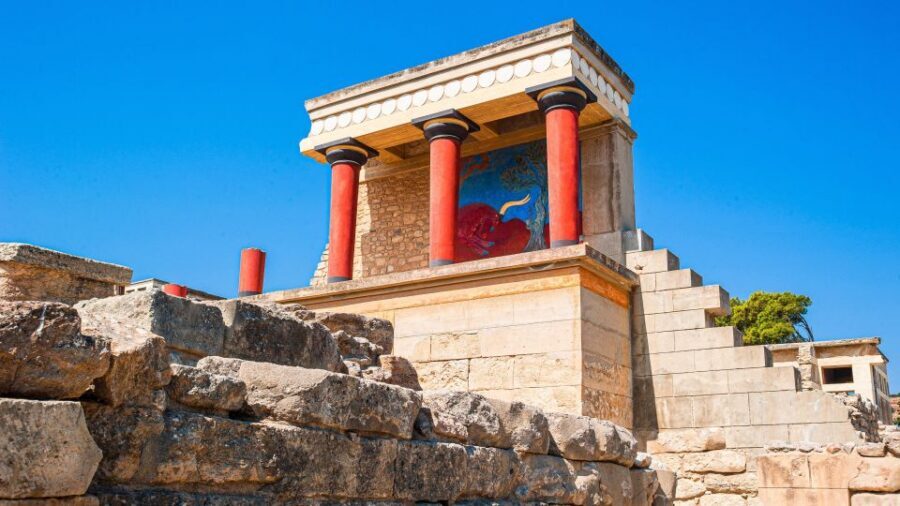
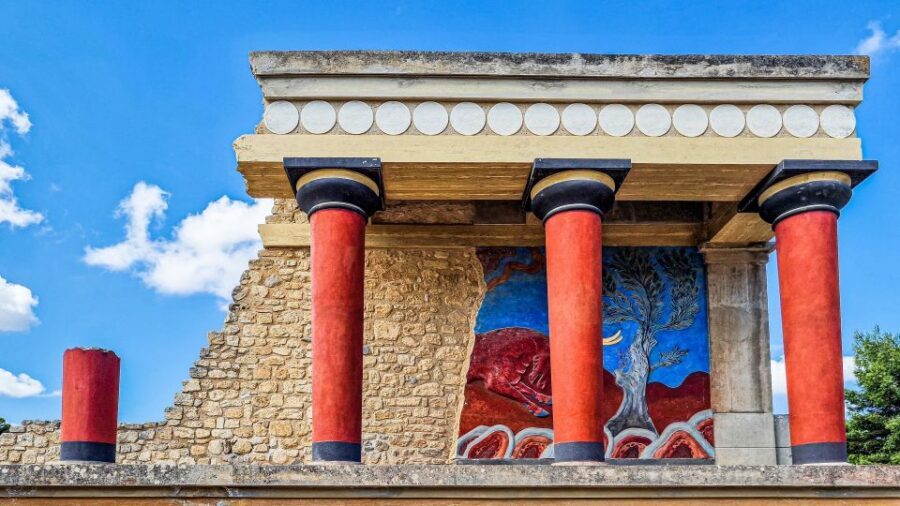
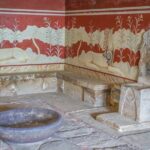
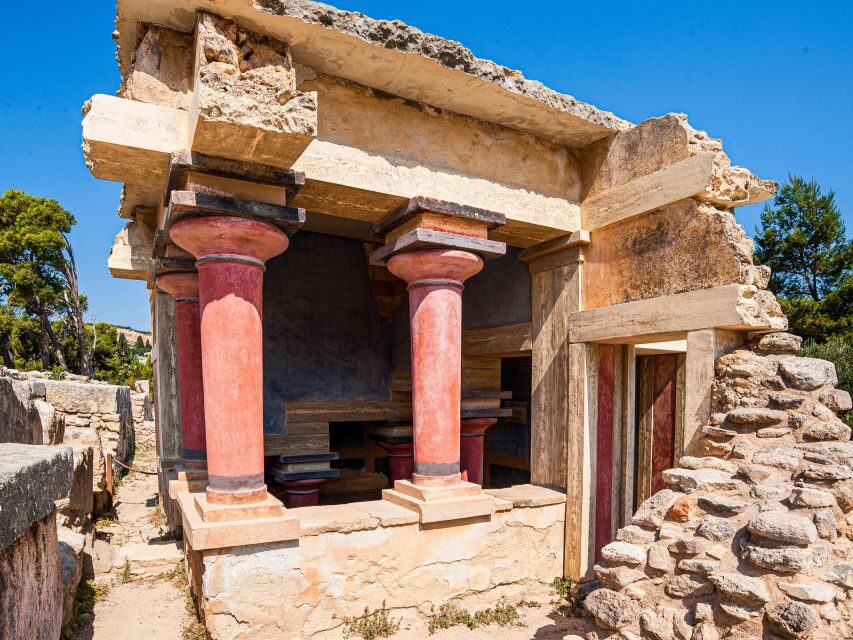
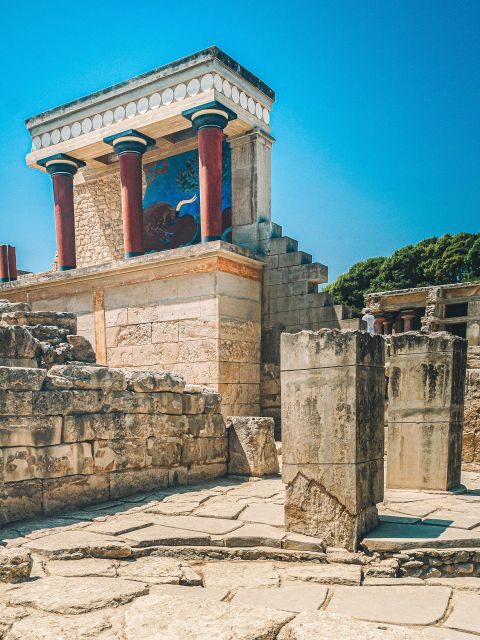
Knossos is the big finish, and it’s where the myth language clicks into the actual geography. The Palace of Knossos was the capital of the Minoan state and is often described as one of the oldest societies in Europe. Even if you know nothing about Minoans, the guided walk helps connect the name Minos, the Minotaur legend, and the Labyrinth idea to what’s laid out in front of you.
Expect a photo stop, then time with a guide and enough freedom to look around. The itinerary gives about 110 minutes at Knossos, including a guided portion and free time. That’s a good balance: you won’t get lost in a long museum-style experience, but you also won’t be shoved through like a drive-by.
This is also where guide quality matters. One highlight from the feedback was praise for how clearly the tour leader explained the history and story connections. For French speakers specifically, a guide named Katie was singled out for being friendly and explaining visits well. If you get a similar style, you’ll leave with a stronger grasp of what you saw rather than just a list of places.
Entrance note: Knossos entrance isn’t included (15€/person, reductions available). So if you’re comparing value, count that into your real spend.
Other Lasithi Plateau tours we've reviewed in Heraklion
Price and value: $53 plus entrances, but you buy convenience
At $53 per person for a 10-hour day, the headline price looks straightforward. The real question is: what are you saving?
This tour includes a professional, multilingual guide, a professional driver, air-conditioned buses, and free pickup and drop-off from a wide list of north-coast areas (including places like Malia, Stalida, Hersonissos, Agia Pelagia, Anissaras, Gouves, and Heraklion). That convenience is not small. Knossos alone is a hassle if you’re trying to stitch together buses or taxis on your own.
Now add the entrances you’ll likely pay anyway:
- Cave of Zeus entrance: 6.00€ (not included)
- Knossos entrance: 15€ per person (not included; reductions available)
- Kera Monastery entrance: 2.00€ (not included)
That’s about 23€ in entrances on top of the tour price, depending on what you choose to pay for and whether the cave access happens. When I look at the total math like this, the value comes from the guided routing and transport package, not just the scenic stops.
Where the value can wobble: if you’re sensitive to bus time or prefer slow, deep exploration, the day may feel tight. Also, cave closure is a real-world possibility, so the day’s “myth climax” could shift.
Logistics that matter on a full 10-hour loop
This tour runs about 10 hours, with multiple segments by bus. The itinerary includes transfer time between stops (short hops for some points and longer stretches for others), plus several photo stops and guided windows.
The big thing to remember is that you’re doing a full island cross-section day: monastery, plateau scenery, a village and cave area, a hilltop lunch break, then Knossos. That’s fun if you like variety; it’s tiring if you prefer one or two sites only.
Also, bring cash. You’ll likely want it for entrance fees and for ceramics or snacks.
What to bring from the practical list:
- Comfortable shoes
- Sunglasses and sun hat
- Water
- Comfortable clothes
- Cash
And keep it simple with rules: alcohol and drugs are not allowed.
Who should book this tour (and who might skip it)
I’d point this tour toward you if you want:
- A single day that covers religious Crete, highland scenery, and Minoan ruins without planning transport
- Clear story connections between myths (Minotaur/Labyrinth) and places you can actually visit
- Time to experience traditional craft at the ceramics workshop, not just photo stops
I’d think twice if you:
- Hate uphill walks (there’s a noted 300-meter uphill component to the cave area)
- Want museum-level deep time at Knossos, since your main Knossos window is guided plus free time, not a long unstructured sit
- Are bothered by multi-language pacing, since the tour runs in English, French, and German and could feel less detailed in some moments
Should you book? My take
If you’re craving variety and don’t want to build your own route across Crete, this is a solid day. You get monastery atmosphere, plateau views with windmills and drainage history, a village stop with ceramics, and a guided Knossos visit that ties the Minotaur story to the ruins.
But book it with the right expectations. The day is efficient, not slow. The Cave of Zeus portion includes an uphill walk, and cave access may be affected by closures. If you accept that and pack your energy for stairs and heat, you’ll probably feel like you got good value for your time.
FAQ
How long is the Crete: Lasithi Plateau & Knossos Palace Tour?
The duration is listed as 10 hours.
What’s included in the tour price?
Included are a professional multilingual speaking guide, a professional driver, air-conditioned luxurious bus transfers, and free pick-up service from locations between Agia Pelagia and Malia. Liability insurance by Generali is also included.
Do I pay separately for the Cave of Zeus and Knossos?
Yes. Entrance to the Cave of Zeus is 6.00€. Entrance to Knossos is 15€ per person (reductions available). Entrance to Kera Monastery is 2.00€. None of these entrance fees are included.
Where does the tour pick me up from?
The tour lists 19 pickup location options along the Crete north coast, with free pick-up and drop-off service from many areas in that Agia Pelagia to Malia range. You provide your pickup point after reserving, by email within 24 hours.
Which languages are available for the live guide?
The live tour guide is available in English, French, and German.
Is there any walking required during the tour?
Yes. The tour notes an uphill walk of 300 meters to the cave area.